Most buyers like Lennar’s energy features, with ENERGY STAR appliances, smart thermostats, and efficient insulation, but inconsistent option selections can leave you facing higher energy bills, so you should check exact specs before you buy.
Key Takeaways:
- Lennar homes include many standard efficiency features such as upgraded insulation, sealed ductwork, efficient HVAC systems, LED lighting, and ENERGY STAR appliances in some markets.
- Energy performance varies by community and model; some Lennar neighborhoods carry third‑party certification or favorable HERS scores, while others meet only local code-buyers should request HERS/ENERGY STAR documentation and estimated utility bills.
- Solar, EV charging, and advanced smart‑energy options are available as paid upgrades that can substantially lower operating costs, but net‑zero or full solar setups are not standard across all builds.
The “Everything’s Included” Approach to Efficiency
Lennar’s “Everything’s Included” bundles energy upgrades-insulation, efficient HVAC, windows, and appliances-so you don’t shop each item. You get consistent baseline efficiency, though highest-tier options typically cost extra.
What standard green features are inside
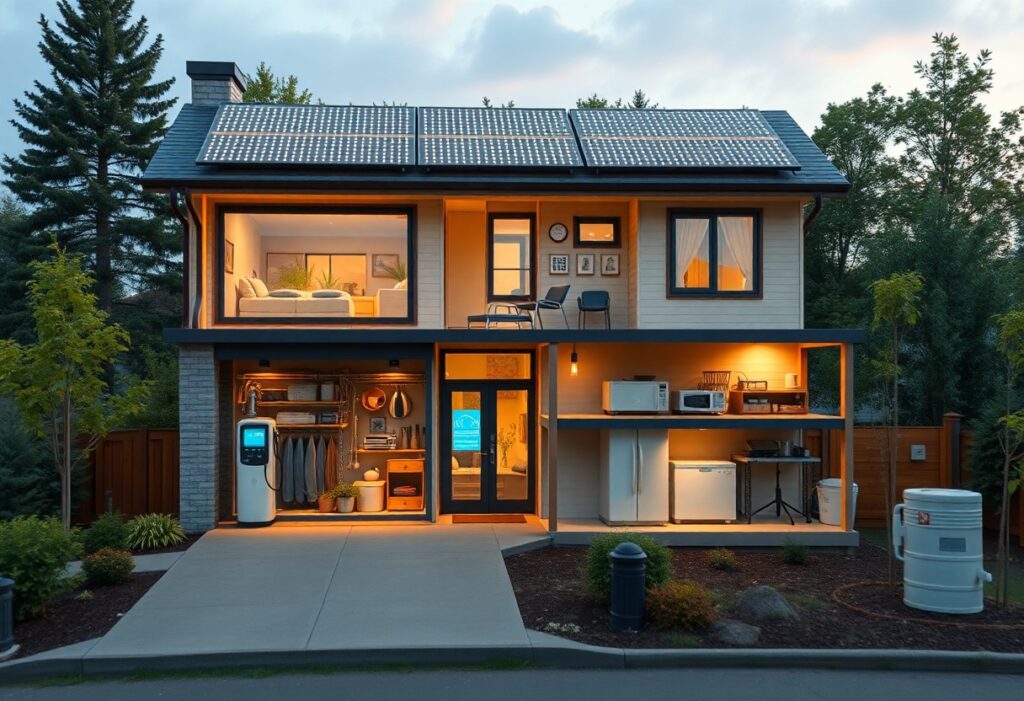
Inside new homes you’ll find ENERGY STAR appliances, LED lighting, upgraded insulation, efficient HVAC, low-flow fixtures, and programmable thermostats-features that reduce energy use from day one and simplify choices for you.
How this simplifies your energy savings
By bundling these features, Lennar cuts decision fatigue so you can start saving on bills immediately; you avoid retrofit hassles and benefit from more predictable performance across homes.
You should still verify specifics: ask for the home’s HERS score, equipment specs, and warranty details, since poor installation or regional climate can reduce expected savings; comparing models and requesting independent test results helps you make the most of the included features.
Smart Home Tech for Savvy Savings
Smart integrations in Lennar homes let you automate lighting, HVAC, and appliances to cut waste and lower monthly bills, while built-in sensors adapt settings to occupancy so you don’t heat or cool empty rooms.
Controlling your climate with smart thermostats
Thermostats give you schedule control and geofencing so your system runs only when you’re home, letting you trim heating and cooling costs without sacrificing comfort.
Managing power usage from your phone
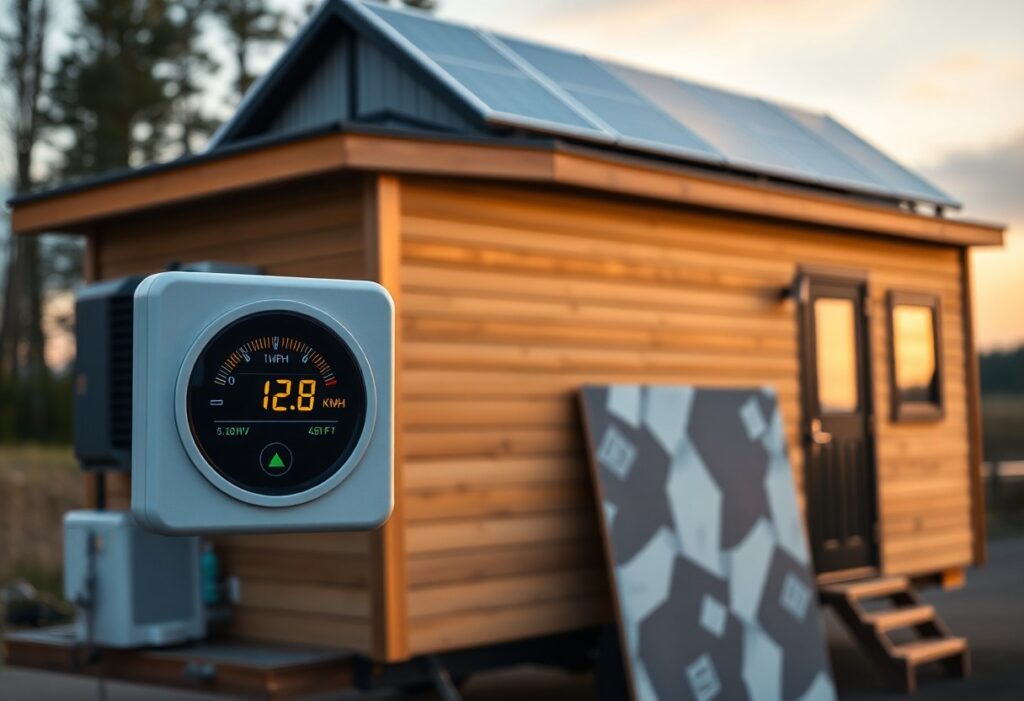
Apps show real-time consumption, let you switch devices off remotely, and send alerts for unusual spikes so you can act fast to avoid bill surprises.
Using the app, you can identify high-draw appliances, schedule off times, and review weekly energy reports to focus cuts where they matter most; integrate with solar or batteries if available to maximize savings. Watch for unsecured remote access-ensure strong passwords and updates to avoid hacks, and enjoy instant control and clear usage insights for smarter habits.

High-Quality Insulation and Sealing
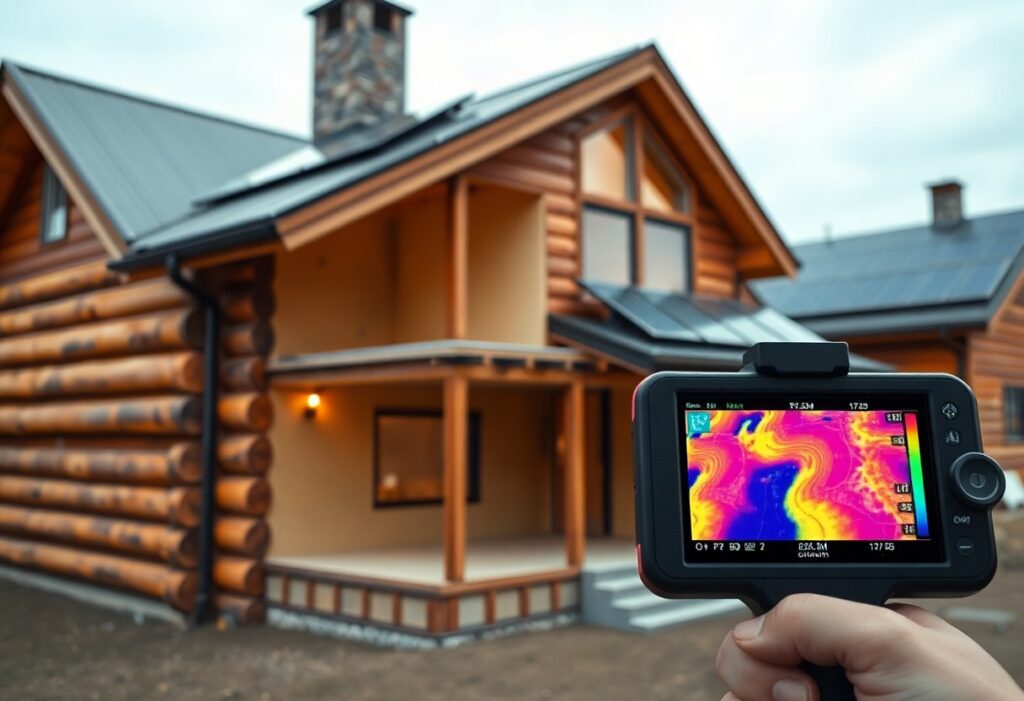
Lennar’s high-quality insulation and tight air sealing help you keep conditioned air inside, cutting drafts and lowering energy bills. Proper sealing also reduces risk of mold from moisture intrusion and keeps HVAC systems from overworking.
Keeping the outside air where it belongs
Tight air barriers let you avoid drafts and uncomfortable cold spots, while preventing outdoor pollutants and moisture from entering your home and stressing HVAC performance.
The benefits of low-E glass windows
Low-E glass helps you keep heat where you want it, reducing heat transfer and blocking UV, which lowers glare and protects finishes.
You should expect low-E coatings to reflect infrared and UV while letting visible light through, so your rooms stay brighter without excess heat. Many Lennar homes pair double or triple glazing and insulated frames, which helps lower your energy bills. Check installation closely; broken seals or poor fit can cause condensation and erase the performance gains.
Harnessing the Sun with Solar Options
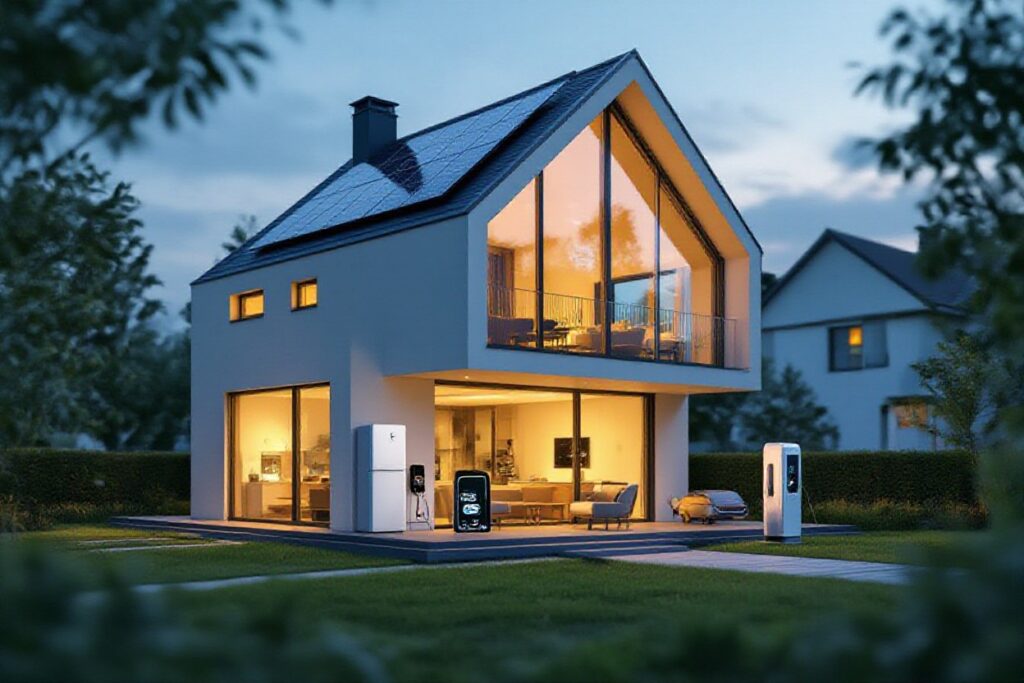
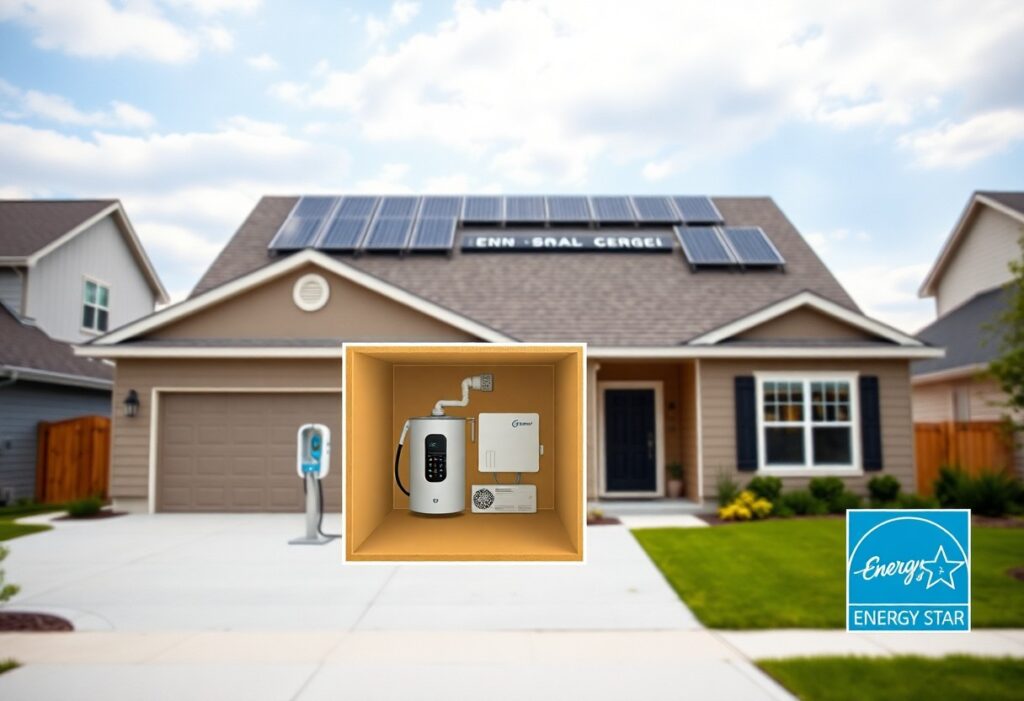
Solar options give you choices between factory-installed panels, community programs, or later add-ons to cut energy bills and emissions; SunStreet can lower monthly costs, but availability and incentives vary by community so confirm what’s included before you buy.
An overview of the SunStreet program
SunStreet offers turnkey solar and battery packages you can buy or subscribe to, with options tailored to community rules; you may see significant bill reductions, though contracts, ownership, and incentives differ by location.
What to expect from solar-ready homes
Solar-ready homes include reinforced roofs, conduit runs, and reserved space so you can add panels later; they often do not include panels, so you should budget for installation, inverters, and permits.
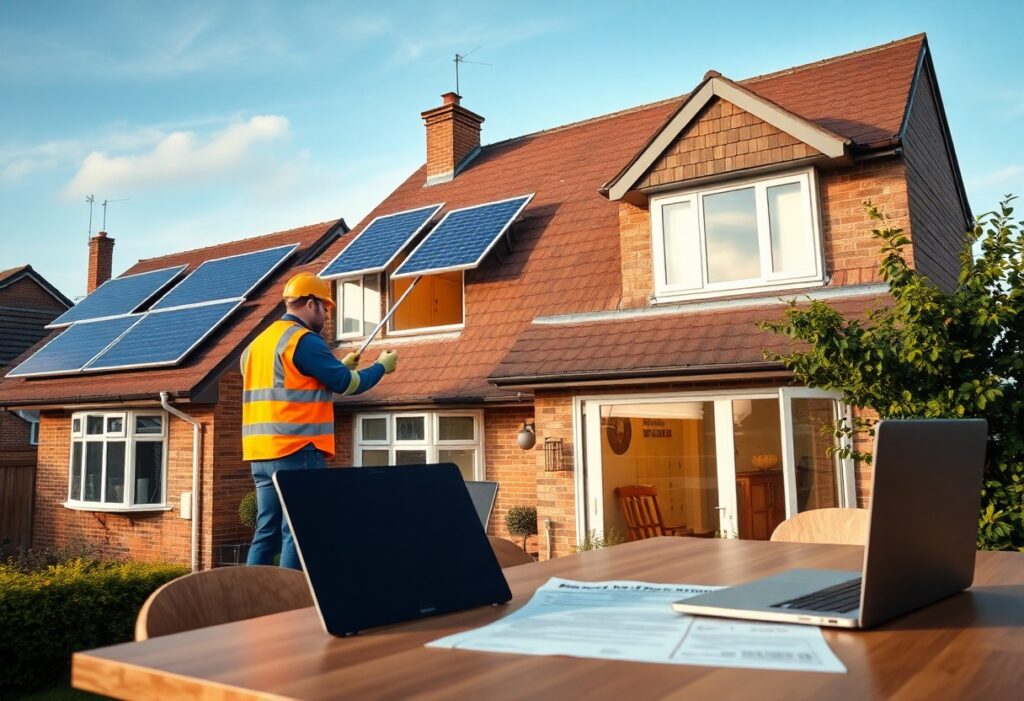
When you plan to add solar, inspect roof orientation, shading, and pre-wiring locations, and verify electrical panel capacity; poor orientation or a full panel can raise costs or cause delays. Ask the builder about warranty transfers, incentives, and preferred installers so you know what affects your out-of-pocket price. Factory prewiring often cuts labor and time for you, but final system performance depends on site specifics and installer choices.

Energy Star Ratings and HERS Scores
Lennar often offers Energy Star-certified options and posts typical HERS scores, but you should verify specific numbers for your plan since some communities hit lower scores while others remain average, directly affecting your future energy bills.
Why these efficiency numbers matter
You can use Energy Star certifications and lower HERS scores to estimate your energy costs and comfort; they reflect insulation, windows, and HVAC quality so you can compare models before you buy.
How Lennar stacks up against the competition
Compared to many national volume builders, Lennar often matches or beats standard efficiency, but you should know performance varies by community and some niche green builders deliver measurably lower HERS scores if efficiency is a priority.
Market differences, optional upgrade packages, and local codes shape actual outcomes, so you should request the HERS score report and a list of standard versus optional efficiency features; also compare solar and heat-pump availability and seek independent testing to confirm real-world savings.

Real-World Efficiency Performance
Performance in everyday use often matches builder claims, though your results depend on climate and how you use systems. Many owners note noticeable savings, while some flag higher-than-expected cooling needs in hot areas.
What your monthly utility bills might look like
Expect your monthly bills to be lower than older homes if you use smart thermostats and efficient appliances; some owners report meaningful electricity savings, but extreme summers can produce spikes in AC costs.
Honest feedback from current Lennar owners
Many Lennar owners tell you the homes feel efficient immediately, praising smart controls and insulation, yet a few mention HVAC balancing or draft issues that required contractor visits.
Owners often advise you to inspect window seals, use programmable thermostats, and budget for yearly HVAC tune-ups; those actions help keep energy costs low and avoid comfort complaints.
Conclusion
You’ll find Lennar homes are generally energy efficient, with standard high-performance windows, insulation, and smart HVAC options that lower bills; you can boost efficiency further with available upgrades and certifications, making many of their builds a practical green choice for you.
FAQ
Q: Are Lennar homes energy efficient?
A: Lennar markets many homes with energy-efficient features included in its standard packages, such as upgraded insulation, energy-efficient windows, LED lighting, and higher-efficiency HVAC systems. Energy performance varies by community, model, and local code requirements, so some homes achieve above-average efficiency while others meet only current code. Buyers should review the specific energy features and any third-party test results for the home they are considering.
Q: What green certifications or ratings do Lennar homes have?
A: Lennar has offered homes certified under programs like ENERGY STAR in some markets, and individual developments may pursue local green building or utility efficiency programs. Availability of certifications is not universal across every community or floor plan. Request documentation for certifications, ask whether a HERS score or third-party testing was completed, and confirm which version of any program was used.
Q: What energy-saving features are typically included as standard?
A: Typical standard features include LED interior and exterior lighting, ENERGY STAR-rated appliances where offered, high-efficiency HVAC units with programmable thermostats, low-emissivity (low-E) windows, upgraded insulation levels, air-sealing practices around doors and penetrations, and water-conserving fixtures. Some homes include smart-home controls and efficient water heaters or tankless options. Exact inclusions depend on the community and model.
Q: Does Lennar offer solar panels, battery storage, or EV charging?
A: Solar availability varies by market and community. Some Lennar neighborhoods offer solar as an option or include solar-ready roofs; others provide bundled solar packages or third-party solar partnerships. Battery storage and built-in EV charging are generally optional upgrades. Confirm whether solar is owned or leased, whether incentives and net metering apply in your area, and who will service the system after closing.
Q: How do Lennar homes perform on utility bills compared with older houses or other builders?
A: New construction from national builders like Lennar typically uses more efficient systems than older homes, which can lower utility bills, but actual savings depend on climate, occupant behavior, and the specific options installed. Performance comparisons are most reliable when based on a provided HERS score, modeled energy use, or utility bill samples from similar homes in the same development. Ask the builder for real-world bill examples when possible.
Q: What warranties and after-sale support exist for efficiency-related systems?
A: Lennar provides standard builder warranties that cover structural and construction defects for a set period and typically the manufacturer warranties cover HVAC equipment, appliances, and other installed systems. Service responsibilities for solar systems depend on whether the system is owned or leased. Request written warranty details for efficiency components, clarification on who performs warranty service, and any recommended maintenance schedules that affect performance.
Q: What should a buyer verify before purchasing to confirm energy performance?
A: Ask for a complete list of installed efficiency features, any certifications (ENERGY STAR, HERS, or local programs), and third-party test results such as blower door or duct leakage tests. Request modeled energy use or sample utility bills for comparable homes, the HVAC equipment SEER/AFUE ratings, window U-values, insulation R-values, and details on solar ownership or leasing. Consider hiring an independent energy rater or inspector to verify performance before closing.