Tips guide you through practical, tech-forward methods so you can reduce energy use, lower costs, and improve comfort in 2026 with actionable steps like smart thermostats, efficient lighting, insulation upgrades, and mindful habits tailored to your home and routine.
Home energy audit & monitoring
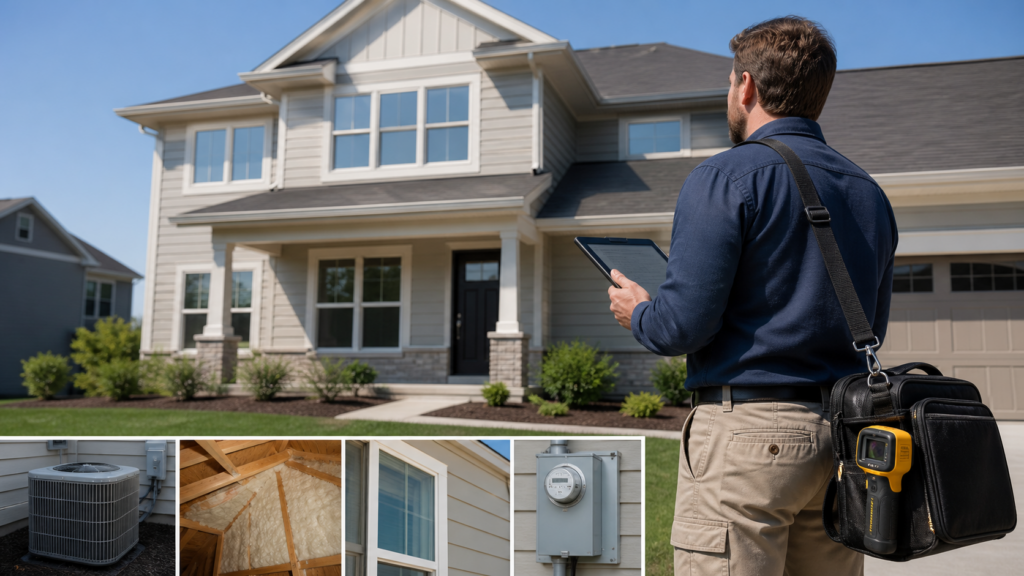
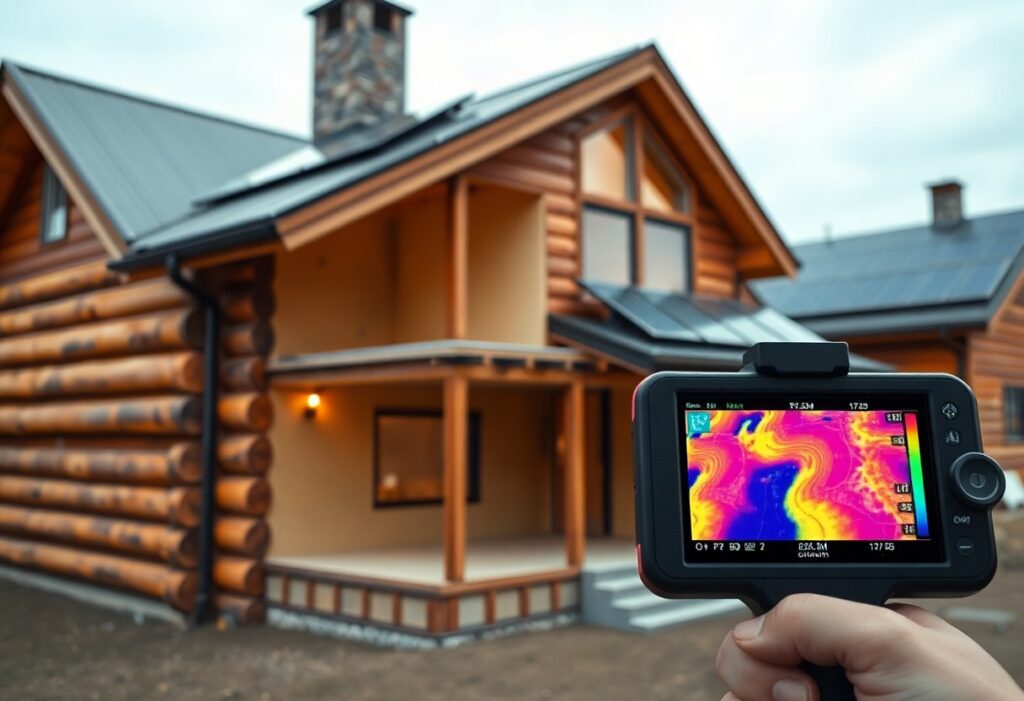
Begin with a targeted home energy audit to pinpoint high-usage systems and habits; combine a one-time walkthrough with ongoing monitoring to quantify savings and prioritize upgrades you can implement for immediate ROI.
Modern audits: smart meters, submetering and baseline analysis
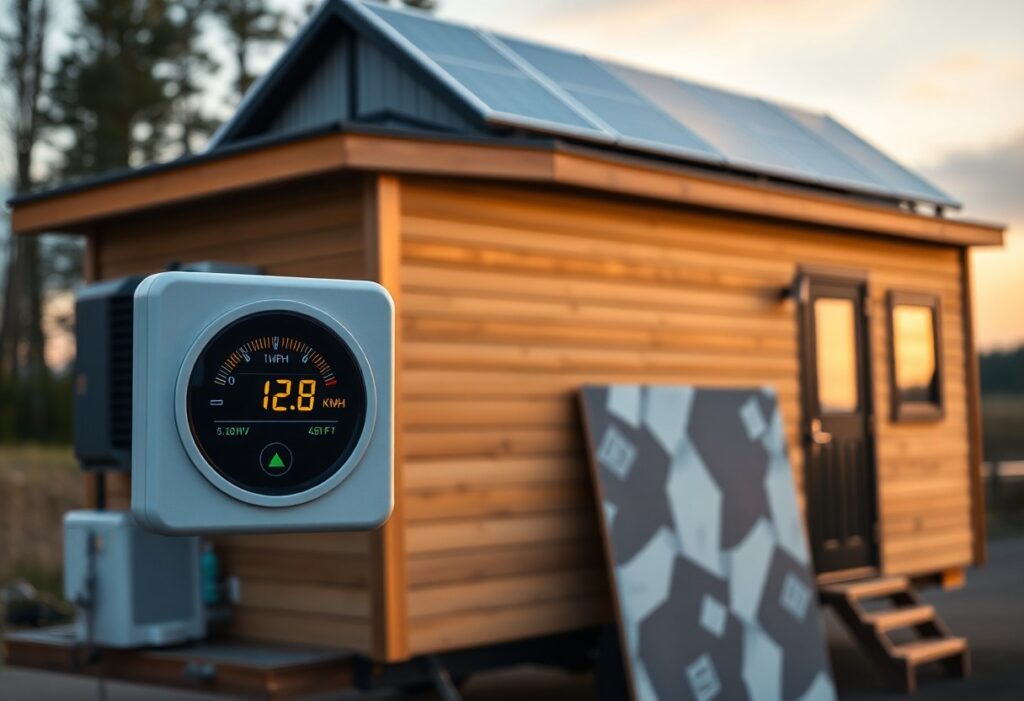
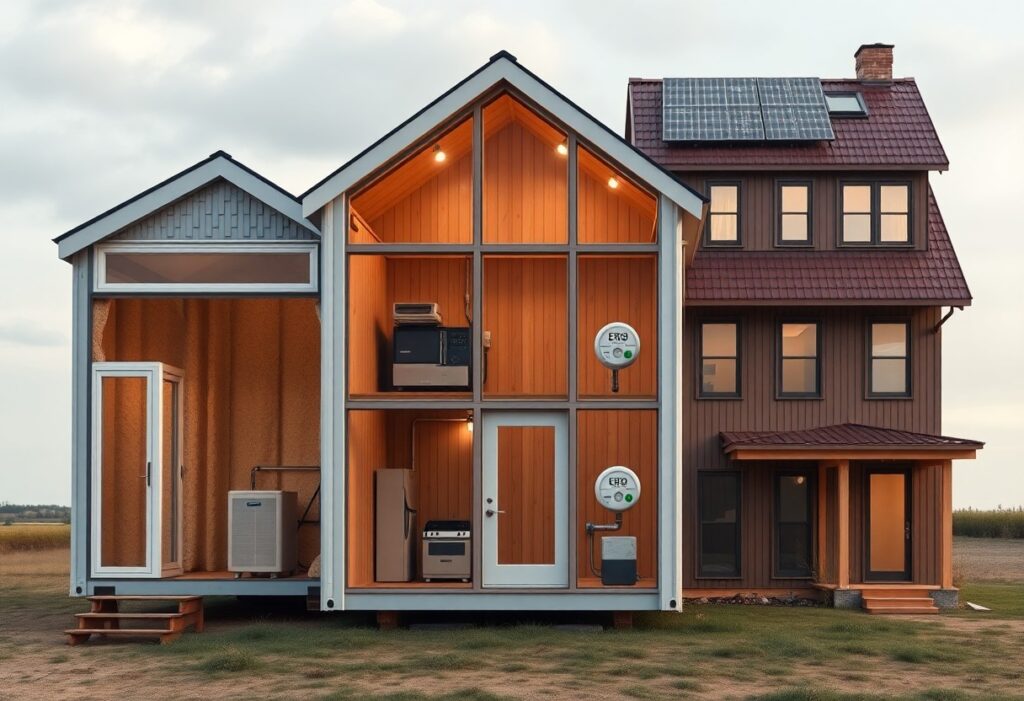
Leverage smart meters and submetering to break down consumption by circuit or appliance; establish baselines so you can identify abnormal spikes and measure the impact of efficiency measures.
Continuous monitoring: dashboards, alerts and data-driven targets
Use dashboards and real-time alerts to track trends and flag anomalies; set data-driven reduction targets and let notifications prompt immediate fixes or automated responses to cut waste.
Deploy continuous monitoring by defining KPIs-kWh per day, peak demand, load factor-and set thresholds tied to cost or carbon budgets. You should normalize for weather and occupancy, use anomaly detection to surface faults, and route alerts to the right person or automation. Dashboards visualize trends, support monthly reporting, and help you prioritize upgrades that yield the best ROI.
Heating, ventilation & cooling (HVAC)
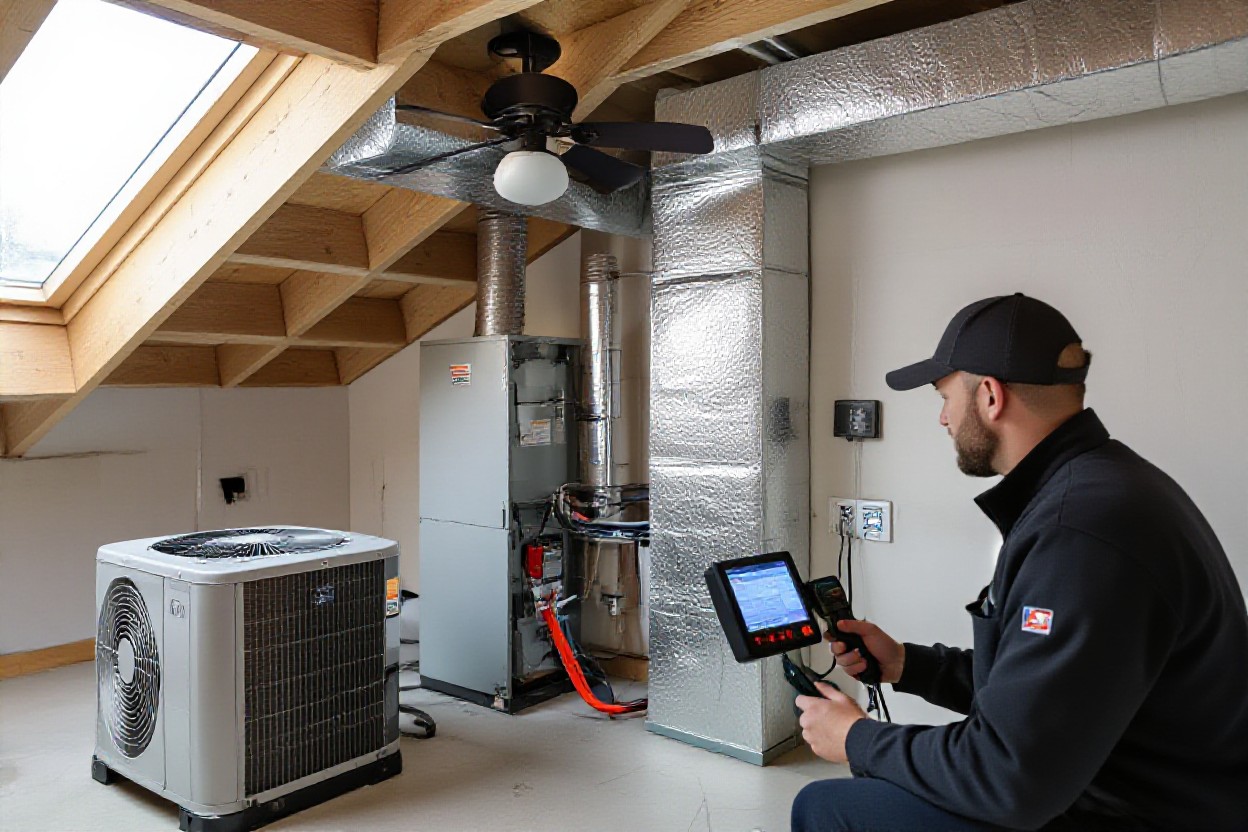
Optimize HVAC performance by sealing ducts, improving insulation, and scheduling system maintenance so you lower energy bills while keeping consistent comfort year-round.
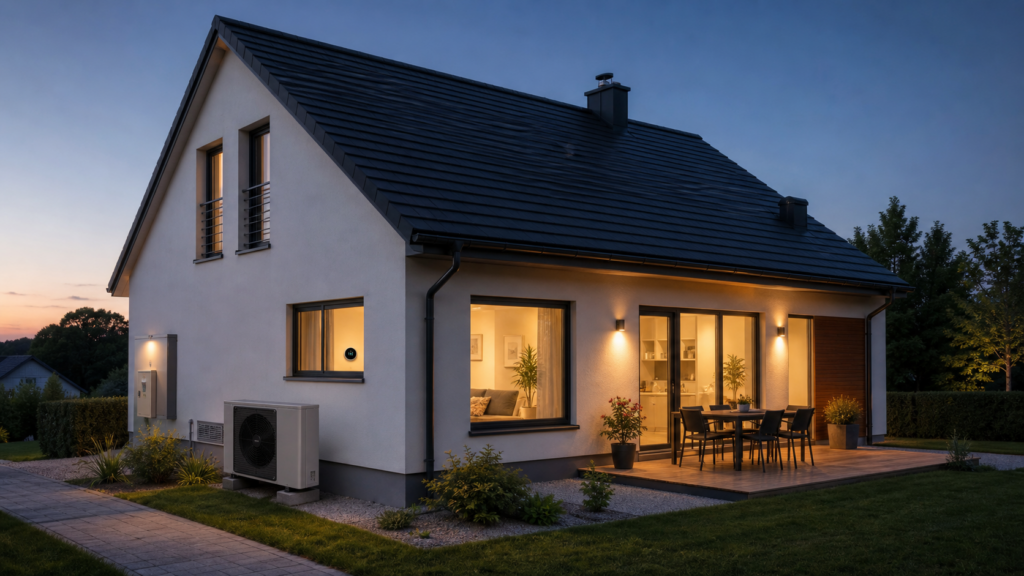
High-efficiency heat pumps, zoning and duct improvements
Upgrade to high-efficiency heat pumps, install zoning controls, and repair or insulate ducts so you deliver conditioned air where needed and cut seasonal energy consumption significantly.
Smart thermostats, demand response and seasonal optimization
Leverage smart thermostats and demand-response programs to shift loads, automate setbacks, and fine-tune seasonal presets so you reduce peak charges and improve overall HVAC efficiency.
When you pair a smart thermostat with demand-response and seasonal optimization, it learns occupancy patterns, pre-cools or pre-heats to avoid peaks, coordinates with your heat pump for efficiency, enables remote setpoint control, and often qualifies you for rebates-letting you lower costs while maintaining comfort.
Building envelope & water heating
Enhance your home’s thermal shell and water systems to cut energy use and improve comfort; targeted air-sealing, upgraded insulation, and efficient water heating reduce losses, lower bills, and extend equipment life.
Insulation, air-sealing and window upgrades for year-round savings
Upgrade insulation, seal gaps, and fit high-performance windows to reduce drafts and heating/cooling loads year-round; you’ll get steadier temperatures, lower energy bills, and improved indoor comfort.
Efficient water heating: heat-pump water heaters and distribution improvements
Optimize water heating by installing a heat-pump water heater and insulating pipes; when you improve distribution layout and add point-of-use units or demand-controlled circulation, you cut wait times and energy waste.
Further, choose a heat-pump water heater sized to your demand and sited in a moderately conditioned space for best efficiency; prioritize high COP models with smart controls, set modest tank temperatures, insulate long pipe runs, and install demand-activated recirculation or point-of-use boosters at distant fixtures to cut standby and distribution losses.
Behavioral strategies & smart scheduling
Adopt behavioral routines and smart scheduling to cut peak demand and align energy use with lower-cost times; you’ll lower bills and smooth operations.
Automation, occupancy sensors and load-shifting to off-peak hours
Automate HVAC, lighting and appliances with occupancy sensors and timers so you shift heavy loads to off-peak hours, reducing bills and grid strain.
Occupant engagement, incentives and low-cost habit changes
Engage occupants using clear feedback, gamified goals and small incentives so you reinforce energy-smart habits and secure steady savings.
Offer real-time dashboards, weekly scorecards and brief competitions to motivate occupants; you can pair small monetary rewards or recognition with default settings like setback thermostats and smart power strips. Use concise training, signage and onboarding tips so habit changes stick, and track results to refine incentives and demonstrate measurable energy reductions.
On-site renewables, storage & electrification
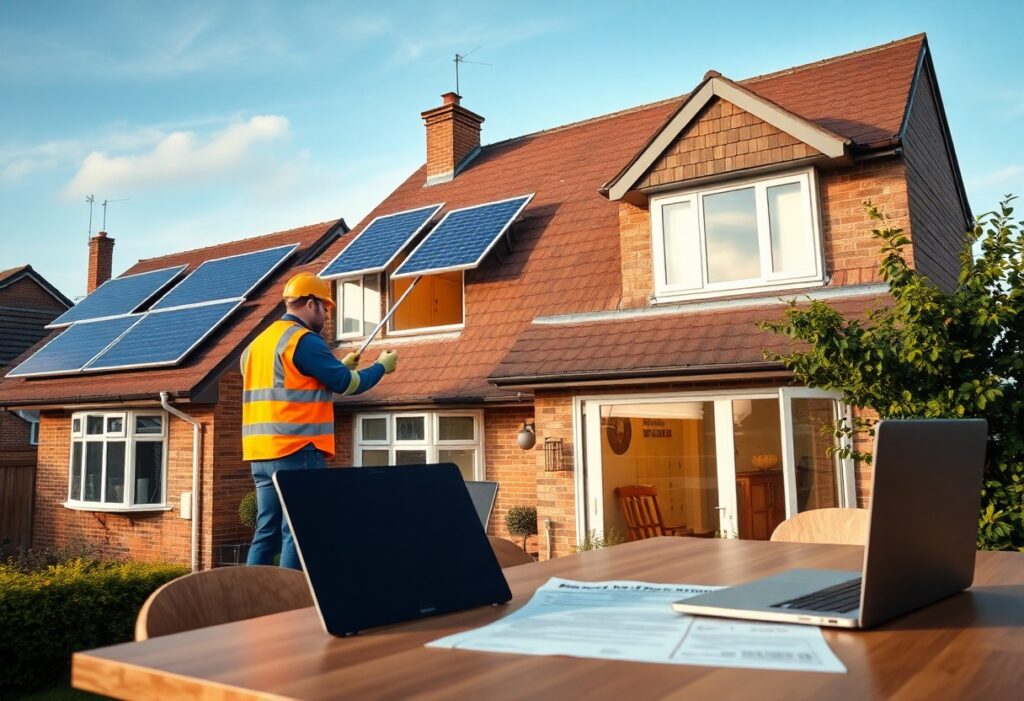
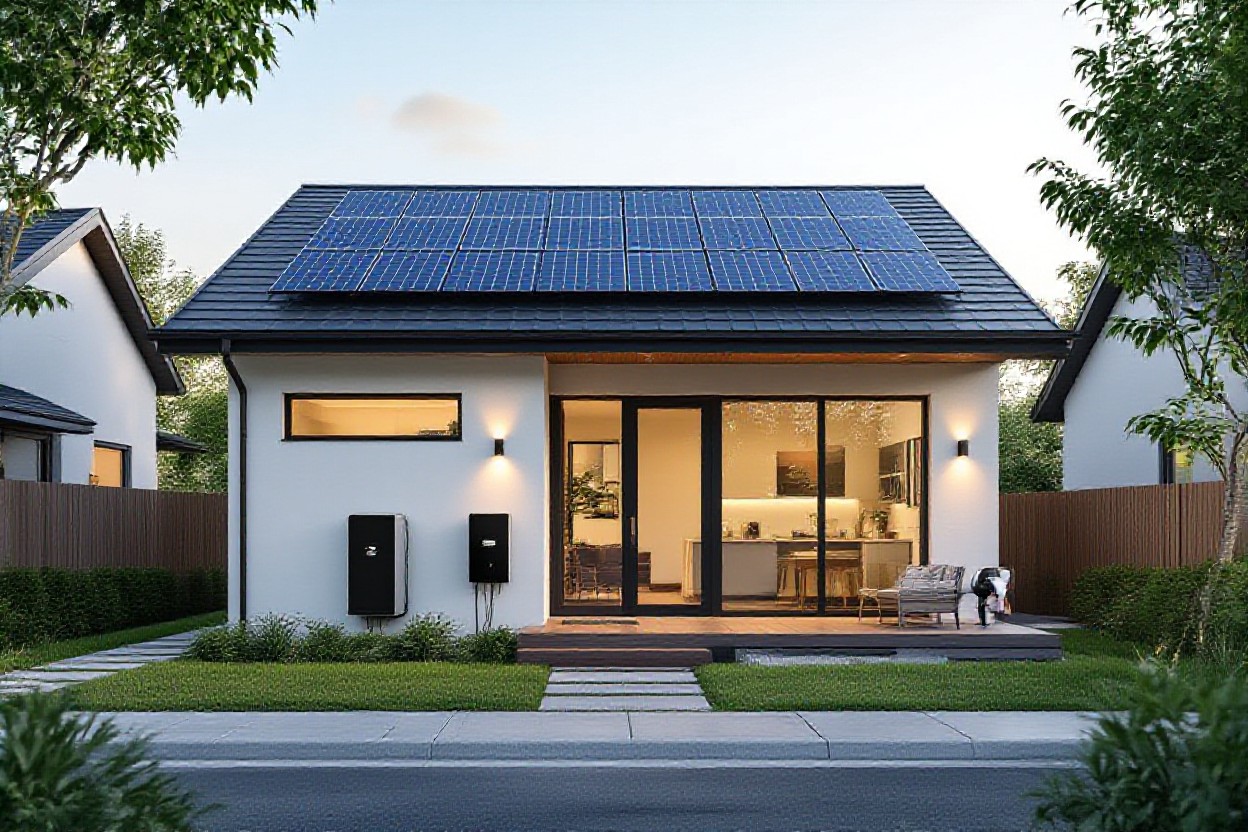
Integrating your own renewable generation with storage and electrification reduces grid dependence, trims bills and improves resilience-focus on matched sizing, smart controls and phased upgrades to keep costs manageable.
Solar PV, battery storage and integrating electric vehicle charging
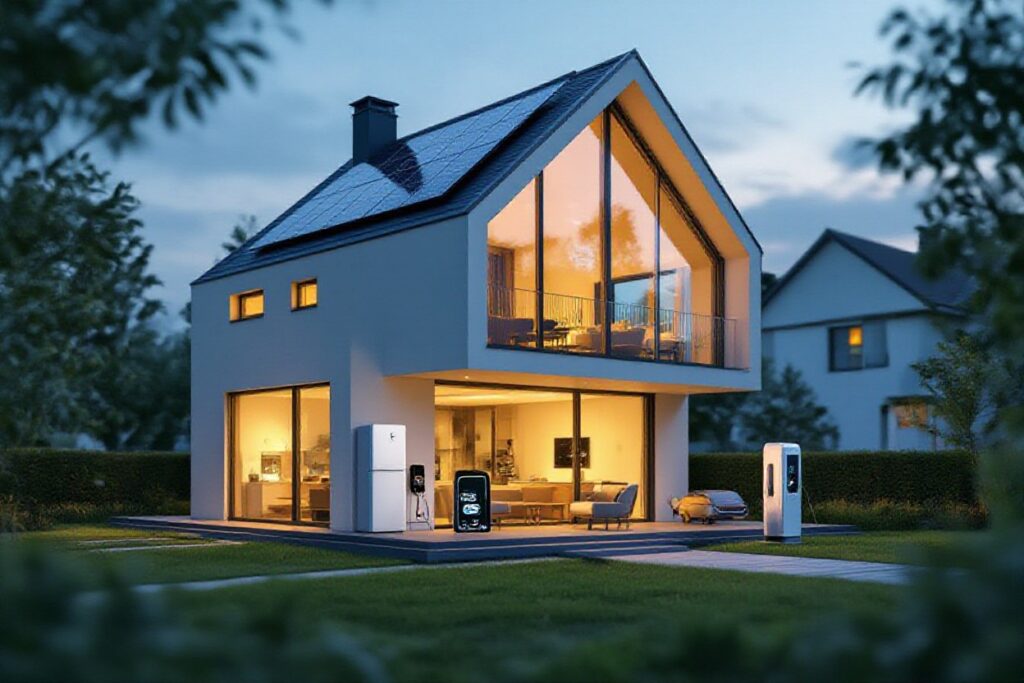
Pair solar PV with battery storage and managed EV charging so you maximise self-consumption, avoid peaks and sequence charging during low-tariff periods.
Electrification roadmap, smart tariffs and grid-interactive opportunities
Plan an electrification roadmap that sequences heat pumps, induction cooking and vehicle charging while aligning with smart tariffs and grid-interactive options to capture flexibility value.
Assess time-of-use and dynamic tariffs, install smart meters and controls, consider thermal storage and vehicle-to-grid, and engage aggregators so you can shift loads, earn for flexibility and reduce peak demand.
To wrap up
Hence you can significantly reduce energy use and costs by adopting these 10 Energy-Saving Tips for 2026; prioritize efficient appliances, smart controls, insulation upgrades, and behavior changes to future-proof your home and cut consumption while boosting comfort.
FAQ
Q: Which three tips from “10 Energy-Saving Tips for 2026” deliver the biggest return on investment for homeowners?
A: Prioritize (1) upgrading to a high-efficiency heat pump system, (2) improving the building envelope (air sealing and insulation), and (3) adding smart controls and behavior-focused automation. Heat pumps replace older fossil-fuel or electric-resistance heating with systems that often cut heating energy use substantially, especially in milder climates; expect shorter payback where fuel prices are high and your existing system is inefficient. Air sealing and added insulation reduce both heating and cooling loads year-round, lowering HVAC run-time and extending equipment life. Smart thermostats, zoning, and automated scheduling reduce wasted run-time and enable demand response and time-of-use savings; combined with basic occupant habit changes these controls typically deliver fast, low-cost savings. Actual payback periods depend on local energy prices, climate, and incentives, so sequence work based on audit findings: address envelope and controls before downsizing HVAC capacity.
Q: How should I phase and budget implementation of all 10 tips if I have limited funds?
A: Start with a no-cost/low-cost tier, then move to medium and long-term investments. Tier 1 (weeks to months, lowest cost): switch to LED bulbs, seal gaps with weatherstripping and caulk, install programmable or smart thermostats, and use smart power strips to cut phantom loads. Tier 2 (months to a year, moderate cost): perform a blower-door-guided air-sealing campaign, add insulation in accessible areas (attic, rim joists), upgrade to ENERGY STAR appliances as needed, and install efficient showerheads or faucet aerators. Tier 3 (1-5 years, higher cost): replace aging HVAC or water heater with heat-pump models, add rooftop solar or a battery when financially sensible, and install a smart EV charger with schedule optimization. Use a home energy audit to prioritize measures that reduce the largest loads first, bundle projects to maximize contractor discounts, and explore local/state/federal rebates, on-bill financing, or low-interest loans to improve cash flow.
Q: What 2026 technologies, standards, or practices should I consider when applying the 10 energy-saving tips?
A: In 2026 focus on interoperable smart-home standards (Matter) to ensure devices from different vendors work together, and on grid-interactive efficient building (GEB) strategies that enable load shifting and demand-response participation. Choose heat pumps and water heaters with wide operating-temperature ranges and high seasonal performance ratings; look for models with good defrost strategies and integrated controls. Opt for LED lighting with addresses for tunable white and dimming compatibility, and choose appliances with advanced energy reporting or built-in scheduling. For solar and storage, prioritize smart inverters and systems capable of exporting energy under evolving grid requirements. Finally, use whole-home energy monitoring (disaggregation-capable meters or circuit-level monitors) to track savings, validate performance, and identify persistent waste so you can refine behaviors and control strategies over time.