web analytics

Power Saver Device: Do They Actually Cut Your Electricity Bill? (Honest Review)

Over the years, you’ve likely seen ads for “power saver” devices promising to slash your electricity bills. You plug ’em in, and poof-instant savings, right? But before you shell out your hard-earned cash, let’s get down to brass tacks: do these gadgets *actually* work, or are you just wasting your money? We’re diving deep into the claims, the science (or lack thereof), and the potential dangers of these so-called miracle devices. You need to know the truth.

Key Takeaways:

* These “power saver” devices, often marketed as miracle solutions, just don’t work the way they claim. Most are glorified surge protectors, and while those are good for protecting electronics, they won’t actually lower your electricity bill. The science behind them is bogus, pure and simple.

* You’re likely wasting your money if you buy one of these gadgets expecting to see a difference in your energy usage. Reputable energy experts and consumer watchdogs consistently debunk these devices, showing they offer no real energy savings. Save your cash for something that actually makes a difference.

* To truly cut down on your electricity bill, focus on proven methods. Think about upgrading to energy-efficient appliances, sealing drafts around windows and doors, unplugging idle electronics, or just being more mindful of your daily energy habits. Those are the real bill busters, not some plug-in box.

Power Saver Device: Do They Actually Cut Your Electricity Bill? (Honest Review)

What are these little plug-in things anyway?

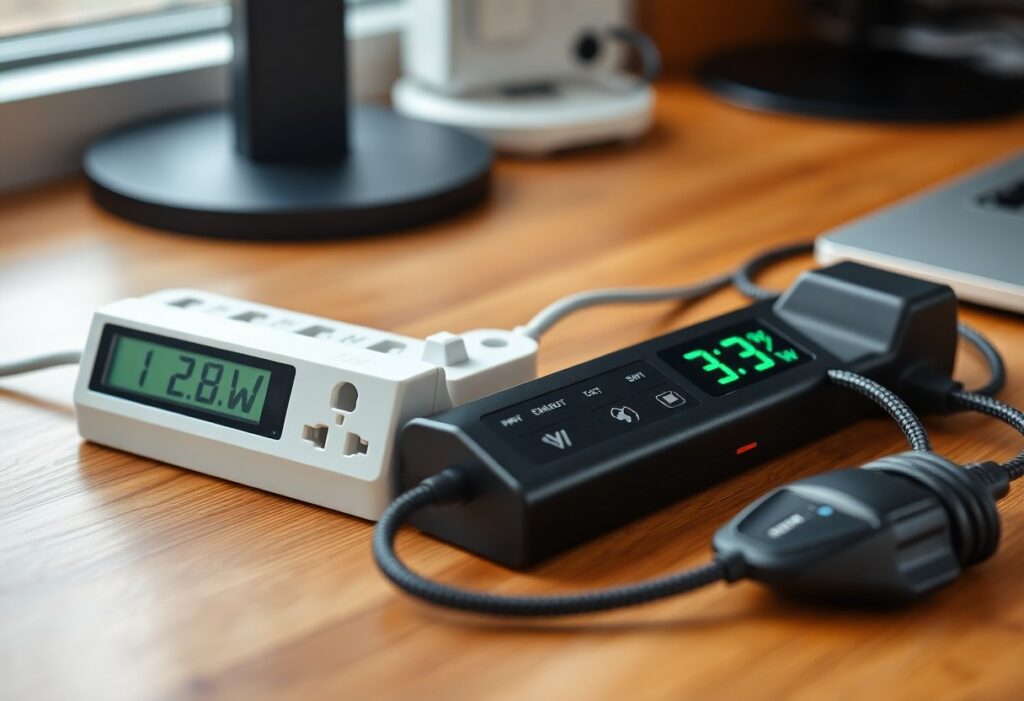
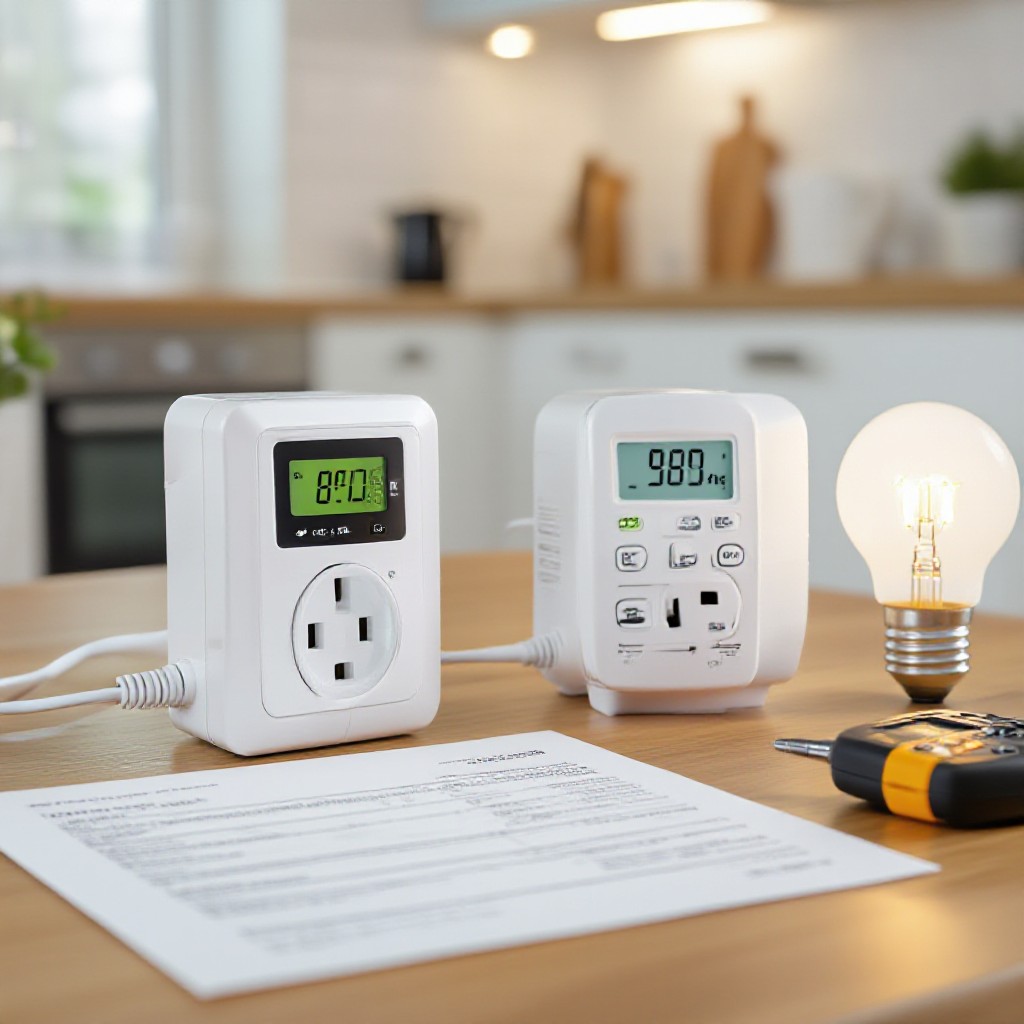
You’ve probably seen them, right? Those small, unassuming boxes you just plug into a wall socket, promising to slash your electricity bill. They come in all shapes and sizes, sometimes with blinking lights, other times just a plain white cube. Companies market them with fancy names like “Energy Saver Pro” or “Power Optimizer,” but at their core, they’re all claiming to do one thing: make your home’s electricity consumption more efficient.

These devices often boast about using “advanced technology” or “power factor correction” to reduce wasted energy. The idea is that by simply plugging one in, your appliances will draw less power from the grid, which in turn means a lower number on your monthly statement. It sounds incredibly simple, almost too good to be true, doesn’t it?

The marketing often suggests they work by somehow “stabilizing” your electrical current or “filtering” out inefficiencies. You don’t need to be an electrician, just plug it in and watch the savings roll in – that’s the dream these gadgets sell. But what’s really going on behind that pretty plastic facade?

What’s really hiding inside that plastic case?

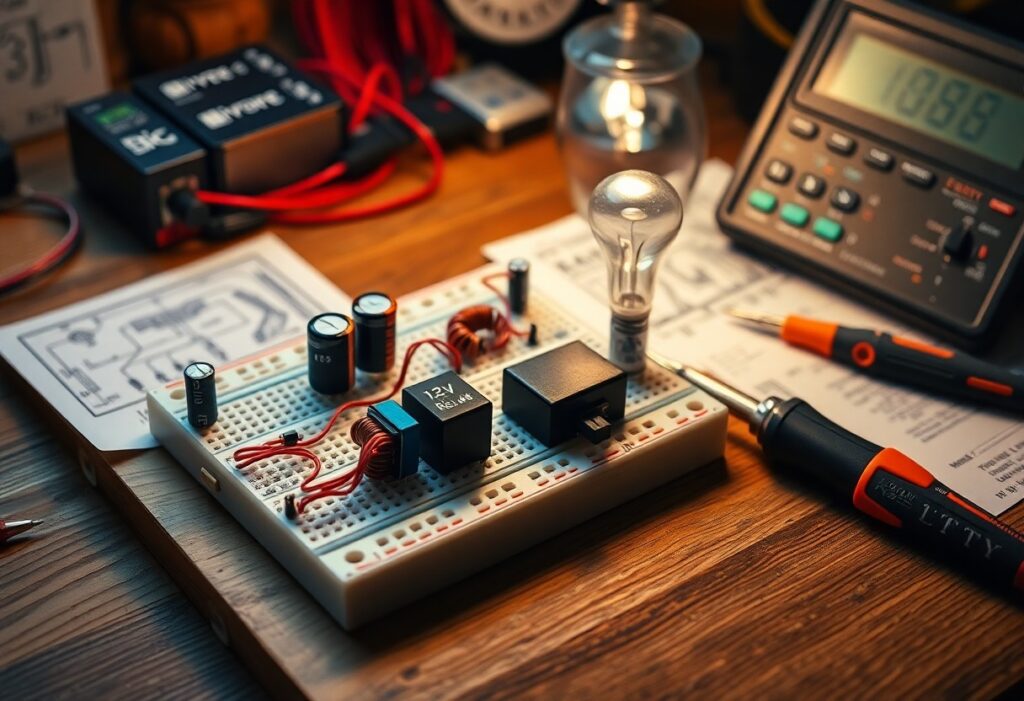
So, what’s actually making these devices tick? Most of these “power saver” gadgets contain surprisingly little inside. You’ll often find a capacitor or two, maybe a resistor, and sometimes just a few wires connecting them to the prongs you plug into the wall. That’s it. There isn’t any complex circuitry or revolutionary technology packed into these small boxes, despite what the packaging might imply.

These basic components, like capacitors, are designed to store and release electrical energy. In industrial settings, large, properly installed capacitors *can* help improve power factor for specific types of heavy machinery, making the overall system more efficient. But that’s a very different scenario than plugging a tiny box into a random wall outlet in your home.

Your household appliances already have their own capacitors and power regulation built right in. A small, standalone capacitor plugged into a single outlet has virtually no impact on your entire home’s power consumption. It’s not connected in a way that could “stabilize” the whole house, and it certainly isn’t going to magically make your refrigerator or air conditioner use less electricity.

Those “miracle” ads you’ve probably seen on Facebook

Have you scrolled through Facebook lately and seen those incredibly slick ads for power-saving devices? They often feature dramatic testimonials, before-and-after bill comparisons, and urgent calls to action – “Save 50% on your electricity bill starting today!” These ads are designed to grab your attention and prey on common concerns about rising utility costs.

The language used in these advertisements is often deliberately vague, talking about “optimizing power flow” or “eliminating dirty electricity” without ever explaining *how* it works. They frequently show charts with steep drops in electricity usage and happy customers boasting about hundreds of dollars saved. You’ll notice they rarely, if ever, feature actual licensed electricians or verifiable scientific data.

These “miracle” claims are almost always too good to be true. They tap into a desire for a quick fix to a complex problem, making it seem like saving a significant amount on your electricity bill is as simple as plugging in a device. Many of these ads are part of sophisticated marketing campaigns that lean heavily on emotional appeal rather than scientific fact.

You’ll also find these ads often pop up with limited-time offers or warnings that supplies are running out, creating a sense of urgency to purchase before you miss out on these “incredible” savings. This aggressive marketing tactic is a common red flag for products that don’t quite deliver on their promises.

How they’re supposed to work (the “science” bit)

The real deal with the “Power Factor” talk

You’ve probably heard these devices brag about improving your “power factor.” What exactly does that mean for your electricity bill, though? Your home uses two types of power: active power, which does the actual work (like lighting your lights or running your fridge), and reactive power, which creates magnetic fields for things like motors. Reactive power doesn’t show up on your residential electricity meter.

Most homeowners aren’t billed for reactive power directly; your utility company measures and charges you based on the active power you consume. So, while these devices might, in theory, “improve” your power factor by reducing reactive power, this won’t translate into lower numbers on your residential electricity bill. Businesses, especially industrial ones, often *are* billed for reactive power, making power factor correction a legitimate cost-saving strategy for them.

So, if you’re a homeowner, the whole “power factor correction” argument these gadgets use is largely irrelevant to your wallet. You’re not paying for the reactive power they claim to “fix.” It’s a key distinction these manufacturers often gloss over, hoping you won’t dig too deep into how your meter actually works.

Can it actually fix your “dirty electricity”?

Many of these devices also claim to “clean” your electricity, reducing what they call “dirty electricity” or “electrical noise.” This sounds pretty appealing, doesn’t it? The idea is that modern electronics, like computers and LED lights, introduce distortions into your home’s electrical waveform, making your appliances work harder and consume more power.

These power saver gadgets often contain capacitors and other basic filtering components. They might indeed smooth out *some* minor fluctuations or harmonic distortions in your electrical current. But here’s the catch: the level of “dirty electricity” they can genuinely mitigate is usually negligible for residential settings and unlikely to have any measurable impact on your overall energy consumption or appliance longevity.

Your appliances are already designed to handle a certain amount of electrical noise. The notion that these minor distortions are causing significant energy waste in your home is largely unfounded, especially to the extent that a small, plug-in device could effectively “clean” your entire home’s electrical system. It’s a classic case of overstating a minor issue to sell a “solution.”

My honest review: Did it really lower my bill?

My 30-day experiment with one of these

You know, I’m always game for a good experiment, especially when it involves saving a few bucks. So, I grabbed one of those popular power saver gadgets – you’ve probably seen the ads – and plugged it right into a central outlet in my home. The instructions were pretty vague, just “plug it in and let it do its magic,” which already raised a tiny red flag in my mind.

My goal was simple: track my electricity usage for a full month with this device humming away, and then compare it to my average usage from previous months. I kept everything else constant – no major changes in appliance use, no sudden shifts in my daily routine. I wanted a clear, unadulterated picture of what this little box could actually achieve.

I watched my smart meter readout like a hawk, noting the daily consumption, and honestly, a part of me really wanted to believe. Who wouldn’t want to shave a significant chunk off their power bill without lifting a finger? But deep down, I had a nagging suspicion that this might be too good to be true.

What the electric meter actually told me

The moment of truth arrived with my latest electricity bill, and let me tell you, I was ready for a revelation, good or bad. I pulled up my online account, cross-referencing the daily usage data with my own notes from the experiment. The numbers, my friends, were decidedly… underwhelming.

Comparing this past month to my historical data, there was no statistically significant difference in my electricity consumption. My kWh usage remained right within the typical range for my household during this time of year. It wasn’t lower, it wasn’t noticeably higher, it was just… normal.

This means that for all the claims of “optimizing power flow” or “reducing wasted energy,” the power saver device didn’t translate into any tangible savings on my actual bill. The device itself uses a tiny bit of power, so if anything, it added a minuscule amount to my consumption, but it certainly didn’t offset that with any grand savings.

Here’s why your bill isn’t budging

How the power company really bills you

You might assume your electricity bill is a straightforward calculation of the power you use, but it’s a bit more nuanced than that. Power companies bill you for kilowatt-hours (kWh), which is a measure of actual energy consumed over time. Think of it like this: if you run a 1,000-watt appliance for one hour, that’s one kWh. It’s the total amount of *work* your appliances are doing that determines this number.

This fundamental billing method means that for any device to truly lower your bill, it has to reduce the actual energy drawn by your appliances. No fancy box plugged into an outlet can magically make your refrigerator or television consume less power if they’re still performing the same functions. Your meter is designed to accurately record this consumption, and it doesn’t get fooled by what’s happening *after* the meter.

So, if a power saver device isn’t cutting down the kilowatt-hours your home consumes, your bill won’t change. It really boils down to physics – energy conservation is a strict rule, and electricity isn’t just going to disappear from your meter reading because of a small capacitor. You’re paying for what you use, period.

Why these gadgets don’t touch your big appliances

You’d think a device promising to “optimize” your power would tackle the biggest energy hogs in your home, right? Well, that’s where these gadgets fall flat. Your refrigerator, air conditioner, and water heater are resistive loads or inductive loads with power factor correction already built in, meaning they draw a substantial amount of real power (measured in watts) to perform their functions – cooling, heating, circulating.

These devices operate on principles that don’t allow them to alter the fundamental energy consumption of such appliances. A power saver device might claim to “stabilize” the current, but your appliances are engineered to draw exactly what they need to run. They aren’t inefficiently drawing *extra* power that these small boxes can somehow eliminate.

Therefore, any claims that these devices reduce the energy usage of your large appliances are misleading at best, and outright false at worst. The real power these appliances consume is what drives your meter, and these gadgets simply don’t have the capability to impact that.

You see, the energy required to change the temperature of air or water, or to keep food cold, is a fixed amount based on the laws of thermodynamics and electrical engineering. These “power savers” don’t magically make your fridge colder with less energy, nor do they make your AC unit run more efficiently. Your big appliances are drawing what they need, and that’s what you’re paying for.

The truth about home vs. factory power

Many of these power saver devices talk a lot about “power factor correction,” a term that sounds very technical and legitimate. But here’s the kicker: power factor correction is primarily beneficial and relevant in large industrial settings, not in your average home. Factories use massive motors and machinery that create what’s called “reactive power.”

This reactive power does not do any actual work but can cause inefficiencies in the power grid itself, leading to utility companies sometimes charging large industrial customers for a poor power factor. Your home, however, is a different story. Most residential appliances, especially modern ones, either have a good power factor to begin with or the reactive power they draw is so minimal it doesn’t affect your bill.

You’re not being billed for reactive power at home; you’re billed for the real power (kilowatt-hours) you consume. So, even if one of these devices could somehow “correct” your home’s power factor – which is a big “if” – it wouldn’t translate into savings on your electricity bill. The metric your utility company uses simply doesn’t account for it in residential billing.

Essentially, the problem these devices claim to solve in a residential setting isn’t a problem that homeowners are actually charged for. It’s like trying to fix a flat tire when your car has a full tank of gas – it’s addressing an irrelevant issue for your situation.

Power Saver Device: Do They Actually Cut Your Electricity Bill? (Honest Review)

Stuff that actually works to save you money

Hunting down those sneaky “energy vampires”

You might think unplugging everything is a hassle, but those devices sitting idle, even when turned off, are constantly drawing power. We’re talking about things like your phone charger still in the wall, your TV in standby mode, or that coffee maker with the clock glowing.

Finding these silent energy suckers is easier than you think. Walk around your home and look for anything with a little light, a digital display, or something that feels warm to the touch when it’s supposedly off. Those are usually the biggest culprits, quietly adding to your bill 24/7.

Imagine the cumulative effect of a dozen or more devices in your home, each pulling a small but steady trickle of electricity. It really adds up, especially over a month or a year. Unplugging them or using smart power strips that cut power completely can make a noticeable difference.

Simple daily habits that make a huge dent

Turning off lights when you leave a room seems obvious, doesn’t it? But how often do we actually do it, especially in less-used areas like the laundry room or a spare bathroom? Just getting into that habit for every single light can trim your usage surprisingly well.

Washing your clothes in cold water is another simple switch that saves a lot. Heating water for laundry uses a significant amount of energy, so opting for cold cycles whenever possible means your water heater isn’t working overtime. Your clothes will still get clean, promise!

Adjusting your thermostat by just a couple of degrees, up in summer and down in winter, makes a bigger impact than you’d expect. Your HVAC system is often the biggest energy hog in your home, so even small changes here translate to real savings without much discomfort.

These aren’t revolutionary changes, but they’re consistent, everyday actions that, when adopted across your household, consistently reduce your energy consumption without requiring any special gadgets or big investments. It’s about mindful living, really.

Real upgrades that are worth the investment

Upgrading to LED light bulbs isn’t just a trend; it’s a smart financial move. They use a fraction of the electricity compared to traditional incandescent bulbs and last incredibly long, meaning you won’t be replacing them constantly. The initial cost pays for itself quickly.

Replacing old, inefficient appliances with new Energy Star certified models can drastically cut down on power usage, especially for things like refrigerators, dishwashers, and washing machines. These older models are often energy guzzlers, even if they still work fine.

Consider improving your home’s insulation, especially in your attic and around windows and doors. Poor insulation means your heated or cooled air is constantly escaping, forcing your HVAC system to work much harder. This is a one-time fix with continuous benefits.

While these upgrades require an initial outlay of cash, they are fundamental improvements to your home’s energy efficiency that deliver long-term, consistent savings on your electricity bill, often for years or even decades to come. Think of them as investing in your home’s future efficiency.

Is it a total scam or just big hype?

Some major red flags you shouldn’t ignore

If you’re seeing devices advertised with promises of cutting your electricity bill by 30% or more, yet they cost less than a fancy dinner, a little alarm bell should be ringing in your head. These claims often lean on vague scientific-sounding terms like “power factor correction” or “voltage stabilization” without offering any real, verifiable data. You’ll find a lot of testimonials, sure, but often these lack specifics and come from anonymous sources, making them incredibly hard to trust.

Another concerning sign is the lack of reputable certifications. Legitimate electrical devices undergo rigorous testing by organizations like UL (Underwriters Laboratories) or ETL to ensure they’re safe and perform as advertised. If a power saver device doesn’t have these, or only displays obscure, easily faked certifications, you should be very wary. You’re plugging this into your home’s electrical system, after all, and safety should always be your top concern.

Think about the marketing tactics, too. Many of these devices are sold through aggressive online ads, often featuring countdown timers and “limited-time offers” designed to pressure you into an impulsive purchase. They rarely appear in established, reputable electronics stores or from well-known brands. This kind of high-pressure sales environment is a classic indicator of products that might not stand up to scrutiny, suggesting they’re trying to capitalize on desperation rather than deliver genuine value.

Why some people swear they’re saving money

You’ve probably heard a friend or family member excitedly share how their little plug-in gadget has slashed their power bill. A lot of this perceived saving comes down to a phenomenon called the Hawthorne effect. When people know they’re trying to save energy or are actively monitoring their usage, they naturally become more mindful of their habits. You might start turning off lights more diligently, unplugging chargers, or adjusting your thermostat, all independently of the device.

Another factor at play is simply the natural fluctuation of electricity bills. Your bill can vary significantly month-to-month due to seasonal changes, appliance usage, or even changes in your utility’s rates. If you happen to plug in a “power saver” during a period where your bill would have been lower anyway – say, going from a hot summer month to a mild autumn – you might wrongly attribute that decrease to the device. It’s easy to connect two events that happen concurrently, even if there’s no causal link.

Sometimes, the savings are so minor they’re within the margin of error or simply not enough to justify the cost of the device itself. A device might technically reduce a tiny amount of “dirty” electricity, but the impact on your overall consumption, which is what you’re actually billed for, is usually negligible. You might see a small drop, but it’s likely something you could achieve with a few simple behavioral changes that cost you nothing.

It’s also worth considering the placebo effect. Believing a device is working can lead to a psychological satisfaction that reinforces the idea of savings, even if the actual electrical meter tells a different story.

What the pros are saying about these things

When you talk to qualified electricians, electrical engineers, or energy auditors, a pretty consistent message emerges: these plug-in “power saver” devices, particularly those marketed to residential consumers, are largely ineffective for reducing your electricity bill. They explain that residential electricity meters measure “real power” – the actual energy consumed by your appliances to do work. These devices often claim to improve “power factor,” which can be relevant in large industrial settings with huge inductive loads, but it has almost no bearing on a typical home’s electricity bill.

Utility companies charge you based on kilowatt-hours (kWh) of active power consumed, not reactive power. So, even if a device *could* somehow “correct” your power factor (which is debatable for most home setups), it wouldn’t change the number of kWh your meter records. The energy you use to run your fridge, charge your phone, or light your home is what drives your bill, and these devices do not reduce that fundamental consumption.

The consensus from reputable experts is that if you genuinely want to lower your electricity bill, you should focus on proven strategies. Think about upgrading to energy-efficient appliances, sealing air leaks in your home, improving insulation, or simply adopting more mindful energy habits. These methods have a demonstrable, measurable impact on your energy consumption and, consequently, your wallet, unlike the vague promises of a “power saver” gadget.

Many professional organizations, like the U.S. Department of Energy and various consumer protection agencies, have issued warnings about these types of devices, explicitly stating they don’t deliver on their claims for residential use.

Summing up

To wrap up, you’ve probably seen these power saver devices advertised everywhere, promising big cuts to your electricity bill, right? It’s a tempting thought, especially when your monthly statement arrives. But you really need to be a smart consumer here, because your hard-earned money is on the line. Do these gadgets actually deliver on their lofty claims, or are you just buying a fancy paperweight?

You’ve got to understand how your home’s electrical system works, and how these devices *claim* to work. Many of them suggest they’re “optimizing” power or “reducing wasted energy” through fancy capacitors. But your utility company charges you for kilowatt-hours, the actual energy you consume, not for things like reactive power that these devices often target. So, even if they *did* somehow affect reactive power, that usually wouldn’t translate into savings on your bill. Think about it – if a simple plug-in box could drastically cut your energy use, wouldn’t every utility company be giving them away?

So, what should you do if you’re serious about lowering your electricity costs? You don’t need a magic box, you need good habits. Unplug electronics when you’re not using them, switch to LED lighting, make sure your appliances are energy-efficient, and maybe get a smart thermostat. Those are the real, proven ways to see a difference in your bill, not some gadget that sounds too good to be true. Because, let’s be honest, it probably is.

FAQ

Q: What exactly are “power saver devices” and how do manufacturers claim they work?

A: Power saver devices, sometimes called electricity savers or energy savers, are small gadgets you plug into an electrical outlet. The companies selling them often claim they reduce your electricity bill by “optimizing” your home’s electrical system, “stabilizing” voltage, or “filtering” dirty power. They might talk about power factor correction, which sounds super technical and convincing.

Manufacturers suggest these devices store and release electricity to make your appliances run more efficiently, reducing wasted energy. They often imply that your home’s wiring is inherently inefficient and their device fixes that. You’ll see claims of cutting your bill by 10%, 20%, or even 30%.

Q: Is there any scientific evidence or independent testing to support these claims?

A: You won’t find credible scientific evidence or independent testing from reputable electrical engineering bodies that supports the efficacy of these consumer-grade power saver devices. Electrical engineers and consumer protection agencies have extensively reviewed these products.

Organizations like the Federal Trade Commission (FTC) in the US have taken action against companies making false claims about similar products. They consistently find these devices offer no measurable savings for typical residential consumers. The science behind how they claim to work simply doesn’t apply to household electricity use in a way that would generate savings.

Q: How do these devices relate to “power factor correction” and is that relevant for my home?

A: Power factor correction is a real concept, absolutely. It matters a lot in industrial settings where large inductive loads like big motors can cause a “lag” between voltage and current, leading to inefficient power use for the utility company. Industrial facilities often install power factor correction capacitors to improve their power factor and avoid penalties from their electricity provider.

Your home’s electricity meter, however, measures “true power” or “active power” (kilowatt-hours, kWh), which is the actual energy you consume and pay for. It doesn’t typically measure “reactive power” or penalize you for a poor power factor. Standard household appliances, even those with motors, don’t create a significant power factor issue that would register on your bill. So, while power factor correction is a thing, it’s not relevant to your residential electricity bill.

Q: What are the potential risks or downsides of using these power saver devices?

A: The biggest risk, honestly, is wasting your money. You’ll buy a device that does nothing to lower your bill. Some poorly manufactured devices could even pose a fire hazard or damage your appliances due to faulty components or overheating. You’re plugging an unregulated electronic device into your home’s electrical system, after all.

Another downside is the false sense of security they provide. People might delay investing in actual energy-saving measures, like upgrading old appliances or improving insulation, because they believe the device is already handling their energy consumption. That’s a real missed opportunity for genuine savings.

Q: If these devices don’t work, what *actually* makes a difference in cutting electricity bills?

A: Real savings come from real actions, not magic boxes. Start with the basics: unplug electronics when not in use (phantom load is real!), switch to energy-efficient LED lighting, and upgrade old, inefficient appliances to ENERGY STAR certified models. Your refrigerator, washing machine, and dryer can be huge energy hogs.

Insulation and weatherization play a massive role too. Seal drafts around windows and doors, add insulation to your attic, and make sure your HVAC system is serviced regularly. Adjusting your thermostat by a few degrees can also make a noticeable difference. These are proven strategies, not marketing hype.

Q: Why do some people claim these devices worked for them, even if there’s no scientific basis?

A: This is a classic case of correlation not equaling causation, often combined with the placebo effect. People who buy these devices are usually already thinking about their electricity usage. They might start being more mindful of turning off lights, unplugging chargers, or taking shorter showers *after* installing the device.

Any reduction in their bill then gets attributed to the power saver, when in reality, their changed habits are the cause. Sometimes, electricity usage naturally fluctuates month-to-month due to weather or seasonal changes, and a lower bill might just be a coincidence. The human brain is really good at finding patterns, even when they aren’t there.

Q: How can I identify a legitimate energy-saving product versus a scam like these power savers?

A: A big red flag is any product promising significant energy savings without explaining *how* it achieves them in a verifiable, scientific way. Be wary of claims that sound too good to be true, especially those promising “up to X% savings” with no downsides or effort on your part. Legitimate energy-saving products, like smart thermostats or LED bulbs, have clear, measurable benefits and are often backed by recognized certifications (like ENERGY STAR).

Always look for independent reviews from reputable sources like consumer protection agencies, university studies, or established electrical engineering publications. If the only “proof” comes from testimonials or marketing materials, you should be very skeptical. Real energy savings come from tangible changes in consumption or efficiency, not from a simple plug-in box.

Scroll to Top