You can cut household bills with a certified power saver, avoid dangerous fake devices that risk overload or fire, and compare features, warranties, and verified savings to pick the best energy-saving solution for your home.
Key Takeaways:
- Most consumer “power saver” gadgets produce negligible kWh reductions; cutting energy use requires efficient appliances, LED lighting, and behavioral changes.
- Prefer devices with independent lab tests, transparent savings data, and a solid warranty; vague claims of 30-50% bill cuts usually indicate misleading marketing.
- Get a professional electrical assessment before installation to ensure safety and verify whether power-factor correction or whole-home solutions match your home’s load profile.
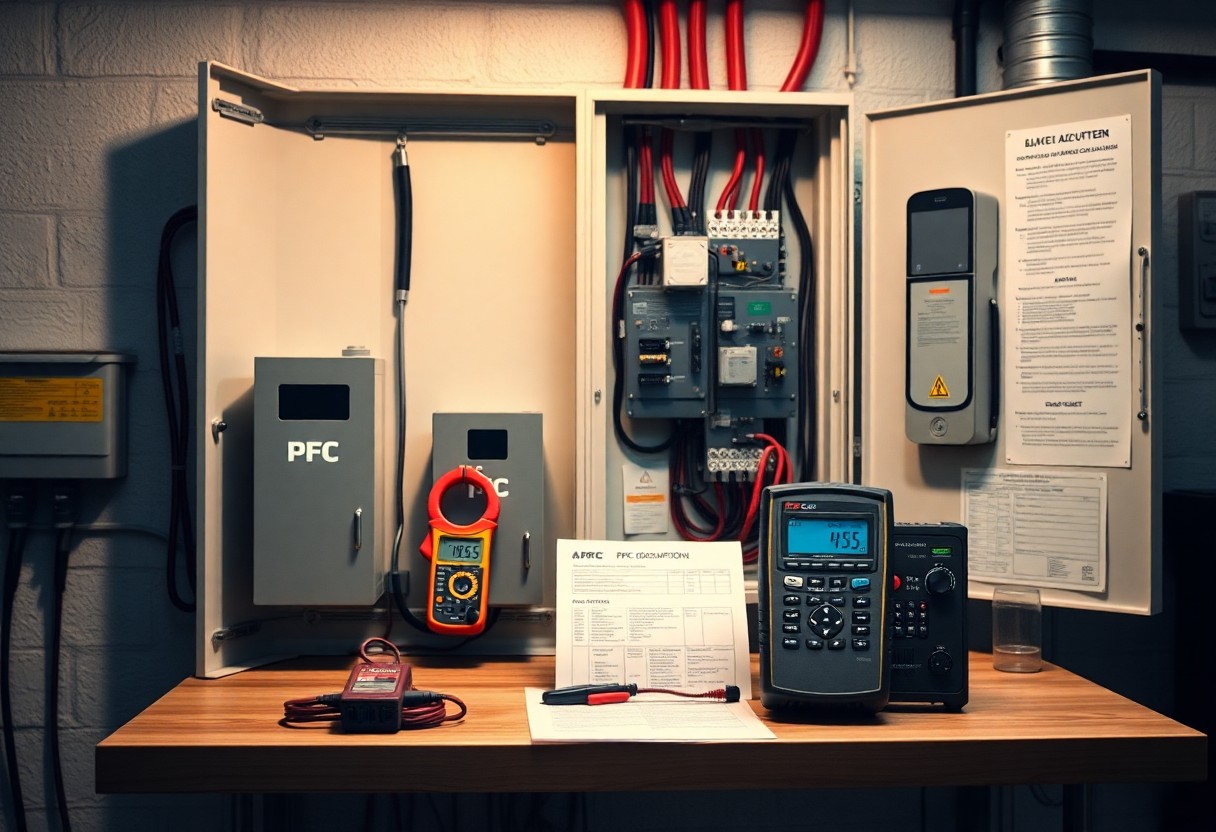
Understanding Power Factor Correction Technology
Power factor correction helps you reduce wasted reactive current, improving appliance efficiency and lowering bills. Expect smaller demand charges and less heat, but improper installation can cause equipment damage or fire risk, so use certified devices and installers.
How Capacitors Stabilize Household Voltage
Capacitors inject leading current to counteract inductive loads, so you keep steadier voltage under varying demand; this helps motors run cooler and lights flicker less. Automatic switching tailors correction to usage, reducing voltage drop during peak draws.
Reducing Reactive Power Waste in Inductive Loads
Reactive power from motors and transformers forces you to pay for non-working current; power factor correction trims that waste, lowering energy bills and reducing wasted heat. Watch for resonance with harmonics, which can damage capacitors if not filtered.
Install PFC systems sized to your load profile: fixed banks suit your consistent heavy loads while switched capacitors or automatic controllers match variable use. Add harmonic filters when your system uses electronic drives, and schedule periodic checks so you avoid surprises. Thoughtful design delivers lower bills and extended equipment life, while poor tuning risks harmonic resonance and component failure.
Top Rated Power Savers: Our Expert Picks
These picks combine lab tests and field use to show consistent savings; you’ll find models that deliver up to 25% lower bills and clear reliability ratings, while warnings flag units with overheating risks or dubious claims.
Best Overall Performance for Large Homes
Power-hungry households benefit when you choose units with high-capacity conditioning and field-proven efficiency; expect stable savings across heavy loads and check for professional installation recommendations to avoid performance loss.
Most Cost-Effective Solutions for Apartments
Compact units give you practical savings without rewiring; you’ll see noticeable bill drops when pairing with smart plugs and proper sizing, while avoiding oversized systems that waste money.
When you live in smaller spaces, prioritize compact models with certified efficiency ratings and smart-schedule features to maximize savings; you should pair them with targeted measures-LEDs, smart thermostats-and avoid cheap knockoffs that claim extreme results, since those can overheat or fail and cost more long-term.
Evaluating Real-World Energy Savings
Assessing real household tests shows results vary by home size, appliance mix and meter accuracy. You should expect modest differences across setups. The actual savings are rarely as high as marketing claims.
- power saver
- energy savings
- monthly bills
Expected Percentage Reduction in Monthly Bills
Expect typical reductions of 5-15% on overall bills in many households, though results vary by load and behavior. The actual percentage hinges on your baseline consumption and device quality.
- percentage reduction
- baseline consumption
Factors That Influence Device Effectiveness
Consider how your home’s appliance mix, wiring and installation affect results; smart meters and reactive loads change outcomes. The primary drivers are load type, installation quality and your usage patterns.
- load type
- installation
- metering
Analyzing specific appliances shows that motors and HVAC systems produce the biggest wins if you optimize them, while small resistive loads give minimal benefit; poorly designed units can cause electrical hazards. The best results come when you pair correct installation, quality devices and behavior changes.
- HVAC
- motors
- resistive loads
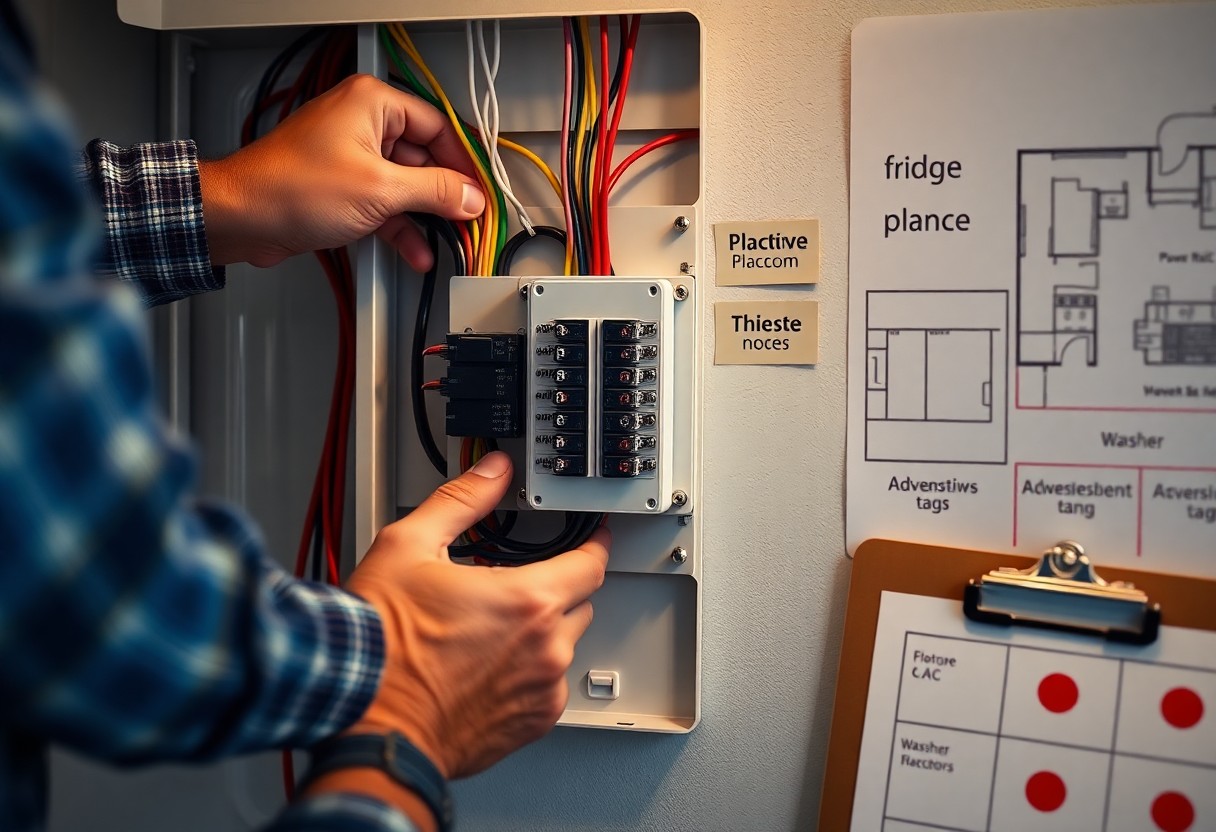
Installation and Optimal Placement Strategy
You should mount the power saver near the main service entry, away from direct heat and moisture, and at an accessible height for monitoring; keep clear of flammable materials and ensure safety. Perceiving optimal placement reduces interference and maximizes efficiency.
- Power saver
- Installation location
- Safety
Proper Integration with the Main Circuit Breaker
Connect the device to your main panel only after switching off the breaker and following the manufacturer’s wiring diagram; consult a licensed electrician for high-voltage hookups to avoid danger. Perceiving correct integration preserves protection devices and ensures measured savings.
- Circuit breaker
- Wiring
- Electrician
Maintenance Tips for Long-Term Efficiency
Inspect connections and firmware monthly, tighten loose terminals, and clean vents to prevent overheating; avoid DIY fixes on live circuits and keep logs of readings for trend spotting. Perceiving routine checks extends device lifespan and sustains efficiency.
- Maintenance
- Inspection
- Firmware
Schedule professional checks annually and perform monthly visual inspections; calibrate sensors per manufacturer intervals, replace degraded capacitors, and verify grounding to avoid shock hazards. Keep firmware updated and record power factor and consumption trends to confirm savings. Use PPE when handling panels and always isolate power before service. Perceiving disciplined upkeep keeps your power saver reliable and cost-effective.
- Annual inspection
- Firmware updates
- Grounding
- Recordkeeping
Identifying and Avoiding Common Market Scams
Scams often promise unrealistic savings; you should distrust claims without third-party testing, verified data, or clear refund policies. Look for fake endorsements and pressure tactics-these are the most dangerous signs. Prefer devices with independent lab results and transparent specs to protect your wallet and home.
Warning Signs of Fraudulent Energy Saving Claims
Watch for vague metrics, guaranteed percent savings, or no verifiable testing; you should avoid products that use fear or urgency to push sales. Check for no third-party verification and unclear measurement methods as immediate red flags.
Distinguishing Between Genuine Technology and Placebos
Compare manufacturer claims with independent testing and real energy-metered results; you should test in your home or demand data. Beware devices relying on vague science-these often act as placebos that waste money without reducing consumption.
Inspect technical explanations for measurable mechanisms and realistic savings; you should request metered before-and-after data, testing duration, and control conditions. If claims contradict basic electrical principles or lack replicate studies, treat the product as suspect and avoid unverified gadgets.
Final Words
Drawing together, you can compare savings, installation, and warranty to pick the power saver that fits your home’s consumption and budget; this guide gives clear recommendations and honest reviews so you make a confident, cost-effective choice.
FAQ
Q: What is a power saver device and do these devices actually reduce home electricity bills?
A: Power saver device is a broad label that covers several product types: power factor correction modules (capacitor banks), voltage stabilizers, smart plugs and energy monitors, and whole-home surge or filtering units. Power factor correction can reduce reactive power for inductive loads, producing measurable savings in commercial setups where utilities charge for poor power factor; residential meters and billing structures rarely meter reactive power, so PF correction often yields little to no bill reduction at a typical home. Smart plugs and energy monitors reduce waste by switching off standby loads and enabling load scheduling, producing reliable, measurable savings when used correctly. A number of single-plug “magic” boxes that claim large percentage savings without clear technical explanations have failed independent tests; choose devices with transparent testing data and proven measurement methods.
Q: How should I choose the best power saver device for my home?
A: Start by identifying the problem you want to solve: standby and phantom loads, poor appliance scheduling, voltage instability, or protection from surges. For reducing wasted standby energy, pick smart plugs and a good energy monitor (brands with verified energy-usage reporting such as TP-Link Kasa for smart plugs and Sense or Emporia for whole-home monitoring have reliable track records). For voltage and surge protection, choose whole-home surge protectors from established electrical manufacturers with UL or IEC certification. Avoid plug-in modules that promise major bill reductions via vague technical claims; insist on third-party test data, CE/UL safety marks, clear specifications (power factor correction range, max current, response times), and a warranty. Consult your meter type and local tariff: if your utility does not bill for reactive power, PF correction will not lower charges.
Q: What are the top practical picks and honest pros/cons for home use?
A: Smart home energy monitors plus smart plugs: Pros – direct, measurable savings by cutting standby loads, enabling schedules, and showing actual usage; Cons – savings depend on user behavior and appliance mix. Recommended types: whole-home monitors (Sense, Emporia Vue) paired with smart plugs (TP-Link Kasa, Meross) for appliance-level control. Whole-house surge protectors from electrical brands (Eaton, Schneider Electric) protect equipment and handle transient events; Pros – improved equipment longevity and safety; Cons – they protect rather than reduce steady-state consumption. Dedicated consumer “power saver” PF boxes: Pros – may help in rare homes with many motor loads and old meters; Cons – limited or no benefit for most residences and many products lack credible testing. Choose devices with independent lab reports and real-world user-measured savings when available.
Q: Can I install power saver devices myself, and what safety precautions should I follow?
A: Low-voltage devices such as smart plugs and clamp-on energy monitors are typically user-installable following manufacturer instructions. Whole-home devices, PF correction banks, surge protectors connected to the main service, and any device requiring permanent wiring must be installed by a licensed electrician. Verify device certifications (UL/CE/IEC), switch off power before wiring, use proper grounding and correct fuse or breaker sizing, and avoid adding devices that exceed panel ratings. Keep documentation, serial numbers, and warranty info; test after installation with an energy monitor to confirm the device behaves as advertised.
Q: What realistic savings and payback periods should I expect from different approaches?
A: Smart plugs and behavior changes typically deliver the clearest returns: homeowners often see 5-20% reductions in wasted energy depending on how many standby loads are eliminated and how actively scheduling is used. Whole-home efficiency upgrades (LED lighting, high-efficiency HVAC, proper insulation) result in much larger savings but require higher upfront cost. PF correction in homes usually yields under 1-5% savings and often none if the utility does not bill reactive power. Payback for smart-plug plus monitor setups can be under 1-3 years for many households; payback for whole-home surge or PF devices may exceed the device lifetime if the goal is bill reduction alone. Estimate savings by measuring baseline consumption with a monitor, applying the expected percentage reduction, and dividing device cost by annual dollar savings to calculate payback.