Over a careful review, you learn which devices deliver real savings, which are scams and fire risks, and how to use tested steps to cut bills while protecting your home.
Key Takeaways:
- Aftermarket “power saver” devices usually deliver minimal or no measurable savings for typical homes because utilities rarely bill residential customers for reactive power and most household loads are resistive.
- Reducing standby (phantom) loads with smart power strips, switching to LED lighting, and upgrading to efficient appliances and smart thermostats produces reliable, measurable energy and cost reductions.
- Power-factor correction and specialized devices provide real benefits mainly in industrial or commercial settings with large inductive loads; residential energy savings come chiefly from insulation, HVAC maintenance, and behavioral changes.
The Mechanics of Power Saving Technology
Devices combine switching, filtering and control algorithms to cut losses; you’ll see savings vary by appliance type and load pattern. Expect modest reductions on standard residential meters; beware claims promising dramatic bill cuts.
Understanding Power Factor Correction
Power factor correction shifts current to align with voltage, reducing reactive demand; you may notice improved motor performance. Limited benefit for most homes because residential billing rarely penalizes reactive power.
Distinguishing Between Active and Passive Devices
Active devices monitor loads and inject corrective signals in real time, while passive units use fixed components like capacitors. You should expect active units to cost more but deliver better performance for variable or non-linear loads.
Passive solutions rely on fixed capacitors and reactors, so you benefit from low cost and simplicity, but they poorly address harmonics and changing loads. If you fit them incorrectly, incorrect capacitor sizing can cause overheating, failure and fire risk. Active systems handle harmonics and variable loads, require proper setup, and can generate interference if not installed to specification.
Essential Types of Residential Energy Saving Gadgets
Explore how power saving devices like smart power strips, timers, and voltage optimizers cut standby waste and lower bills; you should weigh upfront cost, expected energy savings, and safety ratings.
| Smart Power Strips | Cut phantom loads by switching idle devices off |
| Automated Timers | Schedule runtime to avoid unnecessary use |
| Voltage Optimizers | Reduce incoming voltage to appliance nameplate levels |
| Surge Protectors | Block dangerous spikes and protect electronics |
| Energy Monitors | Measure real consumption to guide decisions |
- Smart Power Strips – ideal for entertainment and office setups
- Automated Timers – good for lights and pool equipment
- Voltage Optimizers – help heavy-load appliances
- Surge Protectors – protect costly electronics
- Energy Monitors – validate device-level savings
Smart Power Strips and Automated Timers
Use smart power strips to cut phantom loads by shutting peripherals when idle, and set automated timers to avoid wasted runtime; you will save modest energy and reduce wear on devices.
Voltage Optimizers and Surge Protectors
Protect sensitive gear with voltage optimizers that trim excess voltage and surge protectors that block spikes, ensuring safer operation while potentially lowering consumption; check certifications and warranty terms.
Voltage optimizers lower incoming voltage to near-nameplate levels, which can reduce energy use for lighting and motors and extend appliance life; you should compare measured savings to realistic baselines and factor in installation cost. Any product promising dramatic savings without independent testing or clear measurement should be treated as risky and avoided.
Pros and Cons of Commercial Power Savers
You should weigh advertised benefits against real-world tests; savings often fall below manufacturers’ claims, and results depend on load profile and wiring-use independent metering before purchase.
Pros and Cons
| Pros | Cons |
|---|---|
| Reduced reactive losses on some installations | Overstated savings in many marketing claims |
| Improved power factor for inductive-heavy loads | No direct reduction in billed kWh for most homes |
| Lower transformer and wiring stress where effective | Can interfere with sensitive electronics if poorly designed |
| Relatively simple retrofit in some circuits | Upfront cost with uncertain payback |
| Low maintenance for passive units | Variable performance across different installations |
| Potential to reduce heat-related losses | Many vendors lack verifiable third-party testing |
Potential for Equipment Longevity and Protection
Protecting your equipment can reduce stress from voltage spikes and harmonics; some installations show measurable life extension, though benefits hinge on correct placement and verified performance.
Analysis of ROI and Market Misconceptions
Assessing ROI, you must compare device cost, measured energy saved, and alternative upgrades; many buyers discover payback times exceed advertising without independent verification.
Detailed ROI analysis should include baseline metering, seasonal load shifts, and replacement-versus-retrofit costs; you should insist on verifiable third-party data, factor in installation and maintenance, and prioritize high-consumption circuits-otherwise you risk buying a low-impact product with poor payback.
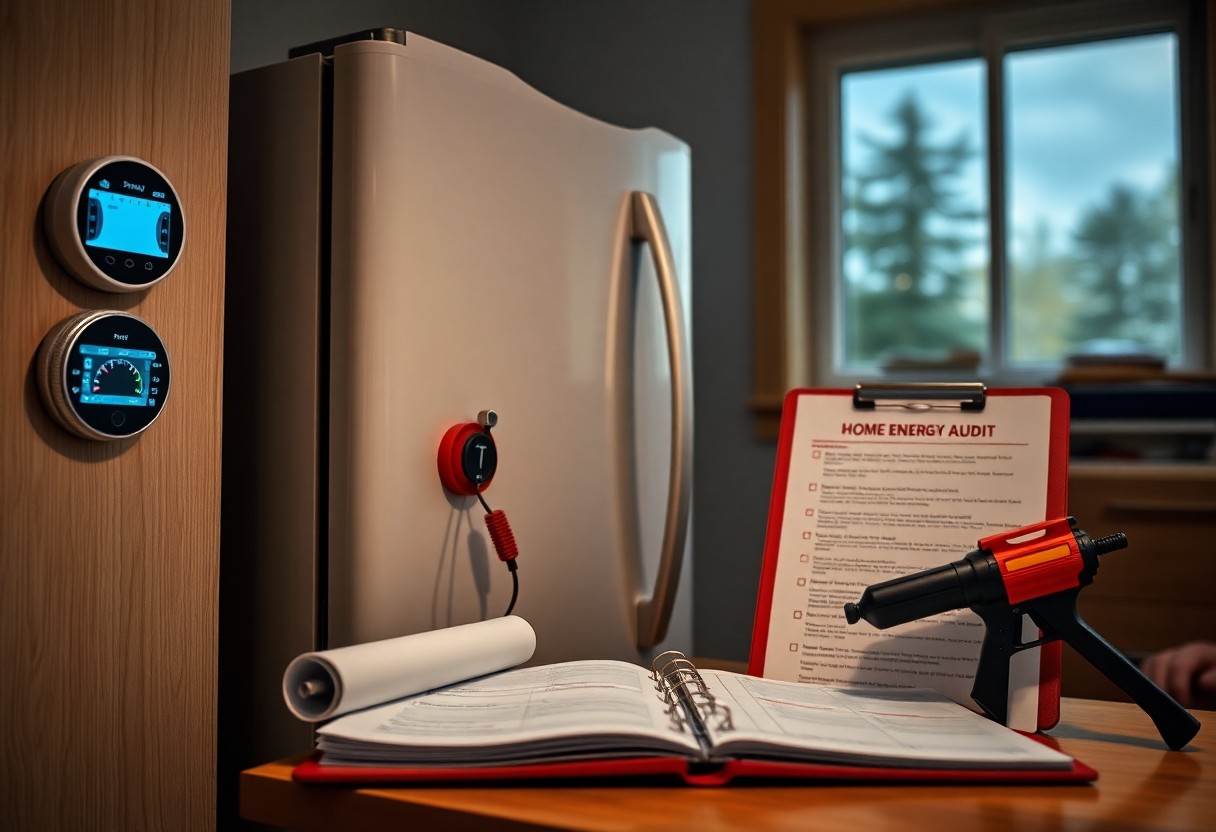
Step-by-Step Guide to Improving Home Efficiency
| Step-by-Step Guide to Improving Home Efficiency |
Start with quick wins: seal air leaks, program your thermostat, switch to LEDs, and address inefficient water heating to cut bills fast without heavy investment. |
Conducting a Comprehensive DIY Energy Audit
Inspect each room for drafts, poor insulation, and standby loads; use a plug meter and a basic checklist so you can identify high-use appliances and electrical hazards that demand immediate attention.
Implementing Incremental Hardware Upgrades
Upgrade lighting, thermostats, and faucet aerators first to get measurable savings; prioritize ENERGY STAR certified products and simple installs you can complete in an afternoon.
Focus on low-cost, high-impact items: swap bulbs to LEDs, add a smart thermostat, and insulate pipes; for HVAC or electrical work that exposes wiring, hire a licensed pro to avoid safety risks and to preserve warranties and rebate eligibility.
Summing up
To wrap up, you should expect modest but real savings from verified power-saving devices when combined with efficient appliances, insulation, and smarter habits, while avoiding gimmicks; prioritize proven measures like LED lighting, programmable thermostats, and proper HVAC maintenance for measurable results.
FAQ
Q: Do power saving devices actually reduce electricity bills?
A: Many marketed power saving gadgets offer little to no measurable reduction in typical household bills. Devices that target standby or phantom loads, smart plugs that schedule power, and advanced power strips can cut small, specific wastes, but bulk savings come from upgrading major systems like heating, cooling, and lighting. Independent tests show plug-in “energy savers” that claim large percentage cuts without changing appliance behavior usually fail to deliver meaningful savings for residential customers.
Q: How do different types of power saving devices work?
A: Smart plugs and timers cut power to devices during idle periods to stop phantom draw. Advanced power strips detect when a primary device is off and switch peripherals off. Voltage optimization units reduce supply voltage to lower power on resistive loads but must match appliance tolerances. Power factor correction modules improve efficiency for inductive commercial loads but produce negligible bill reductions for most homes where utilities bill primarily on kWh, not reactive power.
Q: Are plug-in energy savers and “power factor” boxes a good investment?
A: Most inexpensive plug-in savers and consumer power factor boxes are poor investments for residences. Testing by consumer groups finds the savings claims are often exaggerated or based on improbable usage scenarios. Effective investments include targeted measures with clear metered gains: smart thermostats, LED lighting, high-efficiency appliances, insulation, and eliminating obvious standby loads.
Q: Which upgrades or behaviors produce the largest home energy savings?
A: Replacing old HVAC systems with high-efficiency models or heat pumps, improving insulation and sealing air leaks, switching to LED lighting, and installing a smart thermostat yield the largest reductions in energy use and cost. Behavioral changes such as setting thermostats a few degrees lower in winter and higher in summer, using efficient cooking methods, and reducing standby power by unplugging devices also contribute meaningful savings. Combining measures typically delivers faster payback than relying on single plug-in gadgets.
Q: Are there any risks or compatibility issues with power saving devices?
A: Poorly designed or uncertified devices can cause electrical noise, interfere with electronics, or overheat and fail safety tests. Voltage optimization units must match home wiring and appliance tolerance; incorrect use can shorten appliance life or void warranties. Always choose devices with recognized safety certifications, read manufacturer guidance, and prioritize proven energy-saving upgrades over unverified miracle products.