Just check if you qualify for the Home Energy Efficiency Scheme to get free or subsidised insulation and heating, cut energy bills, and reduce cold-related health risks; you can apply online or via local council with proof of income or benefits.
Key Takeaways:
- The Home Energy Efficiency Scheme provides government-funded grants and support for insulation, heating upgrades, and renewable measures to cut energy use, lower bills, and reduce carbon emissions.
- Eligibility targets low-income households, benefit recipients, older adults, and residents of inefficient homes; homeowners and some tenants can apply when they meet income/benefit thresholds and landlord consent rules.
- Benefits include lower bills and warmer homes; apply via the official government portal or local authority by completing an eligibility check, booking an energy assessment, and arranging installation through approved contractors.
Getting to Know the Home Energy Efficiency Scheme
This part explains how the scheme helps you access home upgrades, discounts, and advice so you can reduce bills and lower emissions without upfront stress.
What is this program all about?
It connects you with grants and vetted installers to improve insulation, heating, and repairs, often with little or no cost to you.
How it helps you and the environment
By cutting energy waste in your home, you drop bills and contribute to lower carbon emissions that benefit your community.
You can expect improved comfort, fewer draughts, and long-term savings; installers also address hazards like cold-related damp that can cause mold and health issues. Eligible measures often lower your bills and cut household carbon, while grants mean you may pay very little upfront.
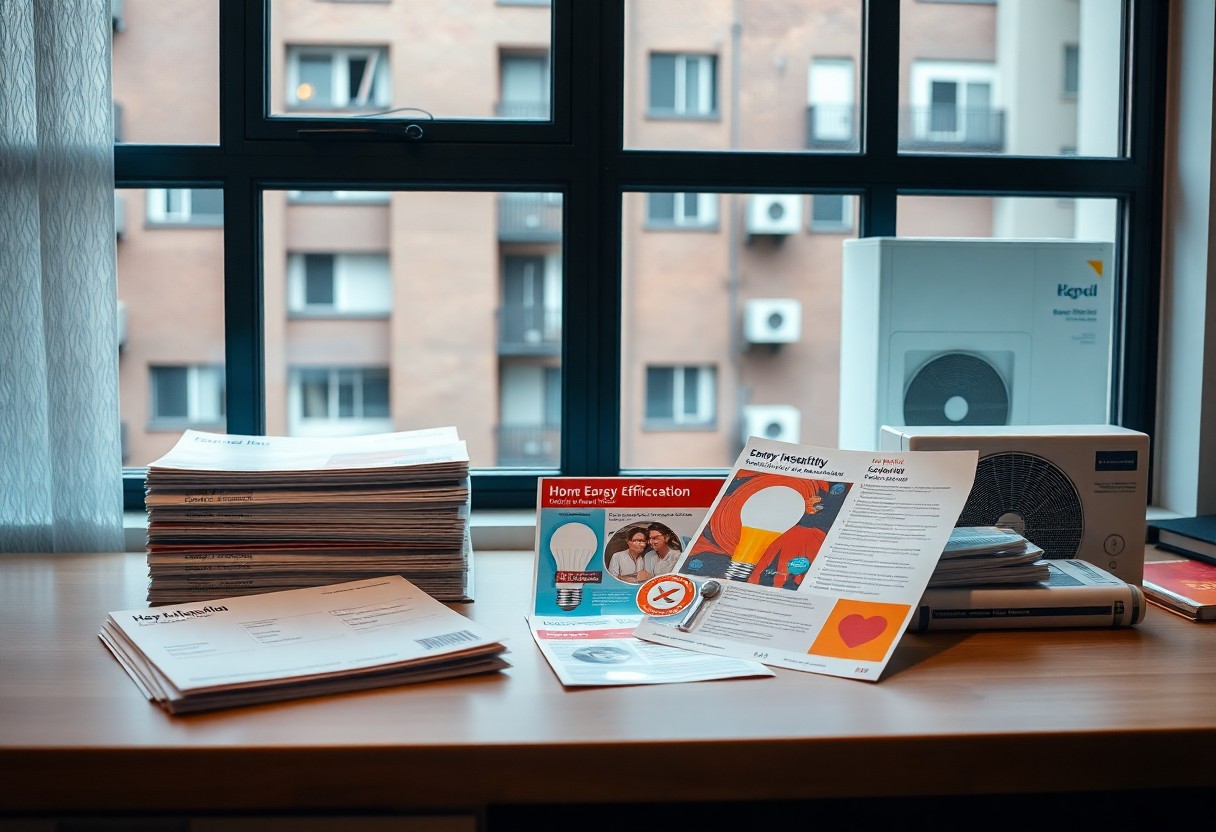
The Fantastic Benefits of Joining the Scheme
Benefits range from reduced energy costs and better insulation to access to free or subsidised upgrades, so you can enjoy lower monthly bills and a more energy-efficient home.
Significant savings on your monthly bills
Savings come from improved insulation and heating efficiency, helping you cut energy use and see noticeably lower monthly costs without major lifestyle changes.
Creating a warmer, more comfortable living space
Warmth in your home improves comfort, reduces drafts, and can cut damp and condensation, giving you a cosier, healthier living space with fewer cold spots.
Inside your rooms, upgrades like loft insulation, draught proofing and more efficient heating provide stable temperatures and reduce cold surfaces that cause mould and damp. You’ll notice lower heating use, clearer air, and a more relaxing space that often makes everyday life easier and healthier.
Your Easy How-To Guide for Applying
Start by checking eligibility and listing needed documents so you can complete the form without delays. Missing paperwork can slow or reject your application – incomplete or falsified documents can void your claim. Aim to have clear digital copies ready.
Collecting the paperwork you’ll need
Gather proof of income, photo ID, proof of residence or ownership, and recent energy bills. Include benefit letters if you’re applying for a concession. Scan files clearly; missing ID or incorrect income proof is the quickest route to denial.
A walk-through of the application steps
Follow the online form step by step, upload clear scans, and answer eligibility questions honestly. Submit before any deadline and keep the confirmation email. providing false information can disqualify your application.
Once you begin, create an account, complete personal and property sections, and upload certified documents. After submission you’ll face an eligibility check and possibly a home assessment; failed verifications or missing signatures can stop your application. If approved, you’ll receive upgrade offers and scheduling options – these can cut your bills and boost home comfort.
Preparing Your Home for Energy Upgrades
Prepare the space by clearing work areas, securing pets, and protecting fragile items. Make sure installers can access lofts, boilers and external walls; blocked access can delay work. You should also flag any asbestos or major damp before they arrive.
What to expect during the assessment
Expect a walk-through where assessors measure insulation, check drafts, and test heating systems. They’ll identify energy-wasting areas and recommend measures, giving you a clear cost and timeline estimate; no obligation applies.
Getting ready for the installation day
Clear pathways, move furniture away from work areas, and make sure you keep children and pets safe. Leave access to the boiler, meter and fuse box; blocked access can halt progress. You should be prepared for some noise and light dust during work.
Plan to be home or arrange someone to meet installers, point out access points, and highlight any hazards such as exposed wiring or damp. Close windows, protect floors with sheets, and unplug sensitive electronics; installers may need to switch off circuits or the gas briefly. Ask to see ID, confirm the warranty, and note how the upgrades will deliver lower bills.
Final Words
Upon reflecting, you can see the Home Energy Efficiency Scheme helps eligible households get grants for insulation, heating and efficiency upgrades; you qualify based on income or benefits, enjoy lower bills and increased comfort, and apply through your local authority or the scheme website.
FAQ
Q: What is the Home Energy Efficiency Scheme?
A: The Home Energy Efficiency Scheme is a public or supplier-funded program that helps households reduce energy use and lower bills by installing measures such as loft and wall insulation, cavity wall fill, draught proofing, efficient heating systems, heat pumps, solar PV, and smart controls. The scheme typically offers grants, subsidies, or interest-free loans and includes an assessment, approved installer fitting, and post-installation checks to confirm performance and safety.
Q: Who is eligible for the scheme?
A: Eligibility varies by program and region but commonly includes low-income households, people receiving means-tested benefits (for example, Pension Credit, Universal Credit, or income-based support), households with vulnerable occupants (older adults, young children, or people with long-term health conditions), and properties in certain energy performance bands. Owner-occupiers, social housing tenants, and private renters can be eligible; private tenants normally need landlord consent. Applicants must provide ID, proof of address, and evidence of benefits or income when required.
Q: What measures are usually covered?
A: Typical covered measures include loft insulation, cavity and solid wall insulation, draught proofing, boiler or heating system replacement, heat pump installation, insulating boiler jackets and hot water cylinders, double or triple glazing in some schemes, and solar PV with battery storage in targeted programs. Each scheme sets technical standards and size limits; some measures are only allowed after a home energy assessment confirms suitability and expected savings.
Q: What are the main benefits of participating?
A: Households see lower energy bills through reduced heat loss and improved heating efficiency, increased indoor comfort and reduced cold-related health risks, and fewer carbon emissions. Properties can gain higher energy performance ratings and potential market value increases. Households may also benefit from installer warranties, maintenance support, and access to follow-up advice on using new systems to maximize savings.
Q: How do I apply to the scheme?
A: Visit the official program website or contact your local authority, designated energy supplier, or registered installer to start. Complete the eligibility check online or by phone, submit required documents (ID, proof of benefits, tenancy or ownership documents), and book a free home assessment. After the assessment you receive a recommended measures list and formal offer. Accept the offer, arrange installation with an approved installer, sign any consent or contribution agreements, and allow the installer to complete the work and a final inspection.
Q: Will I have to pay anything and how long does the process take?
A: Payment requirements depend on the scheme. Many applicants receive full grants for qualifying measures; some programs require a partial contribution, income-tiered cost sharing, or an interest-free loan. Private landlords may be asked to contribute under certain rules. Typical timelines: eligibility check and assessment within 2-6 weeks, scheduling installation within 2-12 weeks after approval, and completion plus inspection within days to a few weeks of the install date. High demand, weather, or technical surveys can extend timelines.
Q: What happens after installation and who maintains the measures?
A: Approved installers provide commissioning, basic user instruction, and documentation such as warranties and energy-savings estimates. The scheme administrator usually carries out a post-installation inspection and may monitor energy performance. Warranty periods differ by measure; responsibility for routine maintenance often falls to the homeowner or landlord while major defects within the warranty period are the installer’s responsibility. Contact the installer or scheme helpline to report problems, request service under warranty, or apply for follow-up support or additional measures if performance targets are not met.