Energy use in new homes is usually lower due to better insulation and efficient systems, but you should know older houses can cause higher bills and hidden safety risks, while new builds often deliver significant energy savings and upgrades can narrow the gap.
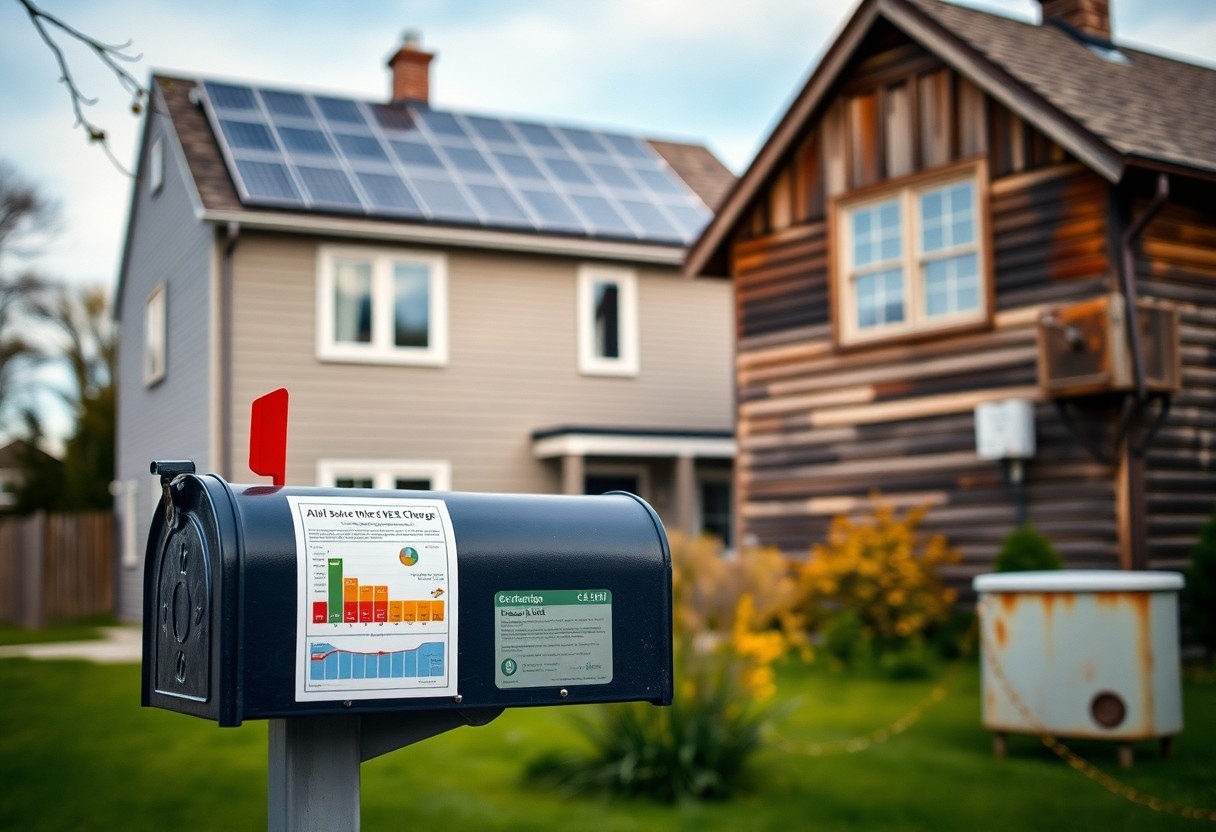
Key Takeaways:
- New homes are generally more energy-efficient per square foot because modern building codes require better insulation, higher-performance windows, tighter air sealing, and more efficient HVAC and appliances.
- Larger average floor areas in newer houses mean total energy use often remains higher than in older, smaller homes despite per-square-foot gains; occupant behavior and thermostat settings strongly affect actual consumption.
- Targeted retrofits in older homes – air sealing, insulation, equipment upgrades, and efficient appliances – can match or exceed the efficiency of many new builds at lower cost than replacing a house.
Comparing the Generations
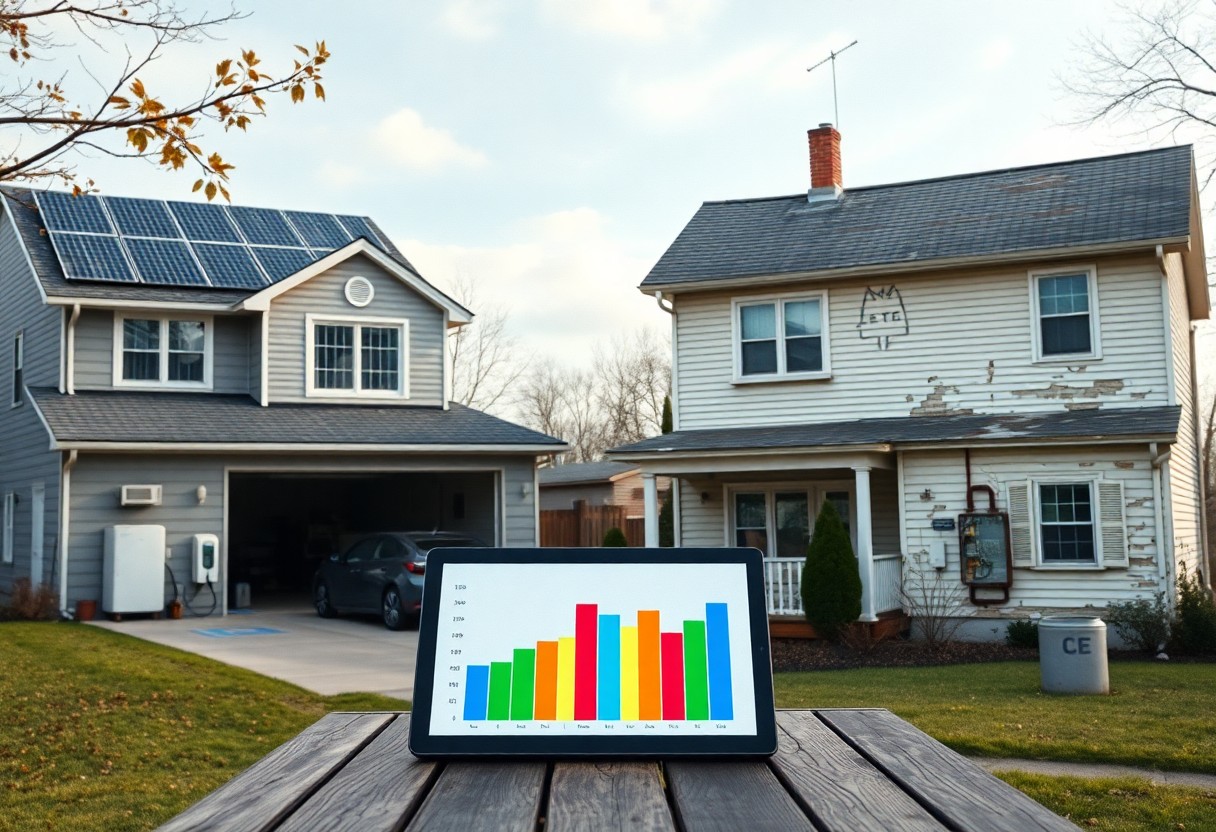
You can see how construction, systems, and airtightness differ across ages; the table below highlights where new homes often deliver measurable savings and where older homes present ongoing energy losses you may need to fix.
Comparative snapshot
| Newer homes | Older homes |
|---|---|
| Improved insulation, tighter envelope | Thin insulation, common drafts and leaks |
| High-efficiency HVAC and modern controls | Outdated systems with higher operating costs |
| Double/low-E windows reduce losses | Single-pane or worn seals increase heat transfer |
| Lower baseline energy use in many climates | Often higher bills unless retrofitted |
Why age matters for your utility bills
Older homes commonly leak air and lack modern insulation, so you pay more to heat and cool them; you can lower costs only by sealing leaks, upgrading insulation, or replacing inefficient systems.
Setting the stage with real-world data
Data from audits and surveys show newer construction frequently posts lower energy use, but results vary by climate and how you operate the house, so you should compare like-for-like before deciding.
Analysis of meter studies and retrofit reports reveals patterns: new builds often cut heating and cooling by roughly 10-30% through better envelopes and equipment. You should weigh local climate, occupant habits, and retrofit quality, because targeted upgrades in older homes can deliver comparable savings when done well.

Modern Magic: Why New Homes Shine
Newer homes often combine tighter construction, advanced insulation, and smart systems, so you usually see lower energy use and reduced bills.
Better bones, seals, and insulation
Walls and roofs in new builds are better sealed and insulated, so you notice fewer drafts and more stable indoor temperatures, cutting heating and cooling loads.
High-tech heating and cooling systems
Smart systems like heat pumps and variable-speed HVAC give you precise control, often delivering higher efficiency and lower emissions than older equipment.
Heat pumps move heat rather than create it, letting you cut heating energy by 30-50% in many climates; still, improper sizing or poor installation can reduce efficiency or cause failures, so you should hire certified installers and plan for cold-weather backups.
The Hidden Costs of Vintage Charm
Vintage homes often hide thin insulation and aging systems that quietly raise bills; if you love character, you’ll still face higher energy costs and recurring repairs.
Dealing with drafty windows and doors
Drafty frames leak warm air in winter and cool air in summer, so you should add weatherstripping, caulk, or storm windows to stop major heat loss.
Outdated appliances that eat energy
Old refrigerators, water heaters, and boilers often consume far more power, so you should target replacements or tune-ups to trim bills and boost comfort with measurable savings.
Replacing aging units that are older than 10-15 years with ENERGY STAR models can cut energy use by about 20-30% and lower maintenance; you should check local rebates and compare lifecycle costs, and inspect vents and wiring to avoid safety risks from worn components.
What the Stats Reveal
Data show new homes usually use less energy per square foot, but climate and behavior matter, so you should check specifics; new builds often cut usage while older homes can cost you more when systems are outdated.
Average energy consumption by decade
Decades built before 1980 tend to show higher energy consumption, while 2000s-2010s homes drop usage due to codes; you can use decade averages to benchmark your own bills.
How much you could actually save each year
You could save anywhere from a few hundred dollars to over $1,000 per year by choosing a newer, efficient home or making key retrofits, depending on local rates and your usage.
Savings vary with climate, home size and appliances; if your current home lacks insulation or has an old furnace, you might lose $300-$1,200 yearly, while targeted upgrades often repay in 3-7 years, so you should model local costs before buying or renovating.
Sustainability and Your Carbon Footprint
You should weigh both operational savings and upfront emissions: new homes often cut energy bills through insulation and efficient HVAC, while construction raises embodied carbon. Choosing high-efficiency design and low-carbon materials reduces your lifetime footprint.
Eco-friendly materials in new builds
Want your new home to be healthier? Use low-VOC paints, recycled insulation, and FSC timber; avoid materials that can off-gas formaldehyde. These choices cut emissions and improve indoor air quality for your family.
The greenest choice: New vs. Renovated
Compare total emissions over time: new builds lower your energy use, but renovations often keep embodied carbon from demolition. Your best move pairs upgrades with retained structure to balance savings and emissions.
When you compare lifecycle impacts, include both embodied and operational carbon. Studies show renovations produce less immediate carbon if you retain major structure, but demolition emissions can be very high when most materials are replaced. To maximize gains, combine retained structure with deep energy retrofits and low-carbon materials so your home’s total footprint drops across decades.
Boosting Your Current Home’s Efficiency
You can boost comfort and cut energy bills by sealing leaks, adding insulation, and tuning your heating and cooling. Focus on air-sealing and insulation first to get the best returns and enjoy noticeable bill reductions.
Quick fixes for instant savings
Try caulking windows, adding weatherstripping, switching to LED bulbs, and using smart plugs so you can cut wasted power now. Small steps deliver instant savings and more comfort.
Major upgrades worth the investment
Consider replacing old HVAC with a high-efficiency heat pump, upgrading attic insulation, or swapping leaky windows; these yield the biggest savings. Hire pros for gas appliance work to avoid carbon monoxide risks and ensure proper installation.
Upgrading often pays back over time; get an energy audit so you can prioritize projects with the fastest payback. Check local rebates and tax credits to lower upfront cost and secure long-term savings.
To wrap up
Taking this into account, you’ll find new homes generally have better insulation, windows, and HVAC, so you often spend less on energy, but thoughtful upgrades and incentives can let older homes achieve similar savings.
FAQ
Q: Are new homes more energy efficient than older ones?
A: New homes tend to be more energy efficient on a per-square-foot basis because modern building codes, improved insulation, tighter air sealing, high-performance windows, efficient HVAC systems, and ENERGY STAR appliances reduce energy intensity. Many national datasets and research reports from agencies such as the U.S. Energy Information Administration and national labs show steady improvements in envelope and equipment efficiency over recent decades. Total annual energy use per household sometimes remains similar or higher for new homes because new construction is often larger and includes more electric loads and amenities.
Q: Which specific upgrades in new homes drive efficiency gains?
A: Common drivers are higher R-value insulation in walls and roofs, low-emissivity or double/triple-pane windows, advanced air-sealing practices and blower-door-guided construction, right-sized and higher-efficiency heating and cooling equipment (including heat pumps), more efficient water heaters, LED lighting, and better duct design and sealing. Smart thermostats and modern controls also reduce waste when configured and used properly.
Q: How much does the building code year matter for efficiency?
A: Building code year matters a lot because each model energy code update typically raises minimum requirements for insulation, glazing, air leakage, and mechanical efficiency. Homes built to recent International Energy Conservation Code (IECC) editions or state-adopted codes will generally perform better than pre-code or older-code homes. Geographic differences and state adoption timelines create wide variation in actual code stringency across regions.
Q: Do new homes always perform better in real-world operation?
A: Field measurements show a performance gap: a well-built new home often meets expected savings, but some new homes underperform because of construction defects, poor duct or system commissioning, oversized equipment, or missing ventilation. Occupant behavior and maintenance also drive real-world outcomes, so projected efficiency from plans does not guarantee measured performance without quality control and commissioning.
Q: How do house size and occupant behavior affect comparisons between new and old homes?
A: Larger floor area and more appliances or plug loads raise total energy use even when per-square-foot intensity is lower. Higher thermostat setpoints, more occupants, electric vehicle charging, and increased use of electronics can erase envelope and equipment gains. Energy comparisons should consider per-square-foot metrics and end-use breakdowns as well as whole-house annual consumption.
Q: Are energy-efficiency retrofits for older homes a good investment?
A: Targeted retrofits often offer strong returns: start with air sealing and attic insulation, then address wall insulation, duct sealing, and efficient heating/cooling and water-heating systems. Prioritizing measures based on an energy audit yields larger savings per dollar. Availability of rebates, tax credits, and low-income weatherization programs improves payback timelines for many measures.
Q: What should homebuyers and policymakers look for when assessing energy performance?
A: Homebuyers should request third-party verification such as HERS ratings, blower door and duct leakage test results, equipment efficiency labels, and documentation of code compliance or ENERGY STAR/LEED certifications. Policymakers should prioritize stronger and consistently enforced codes, incentives for high-performance construction and retrofits, workforce training and inspection capacity, and programs that target high-burden households to reduce energy waste equitably.