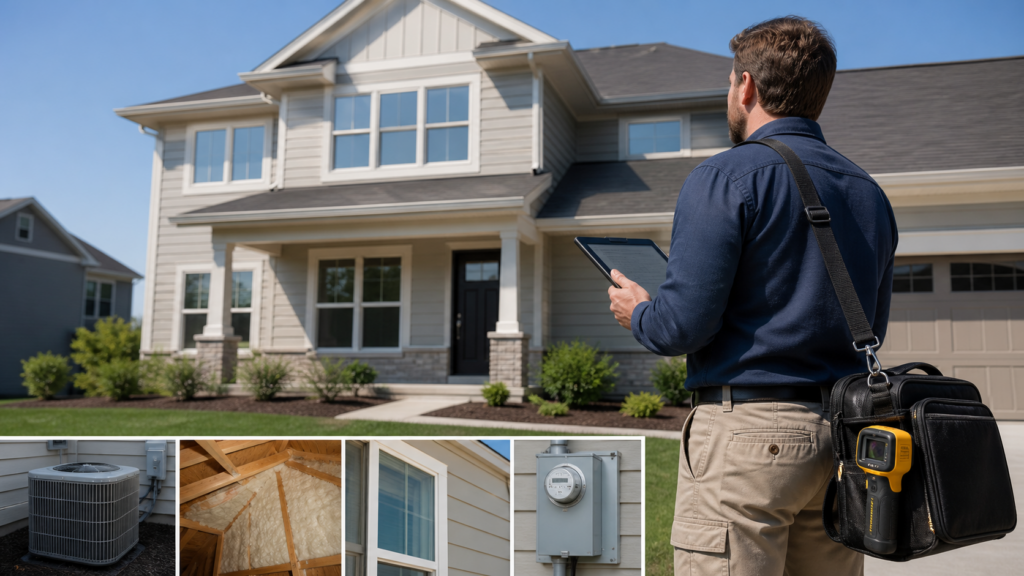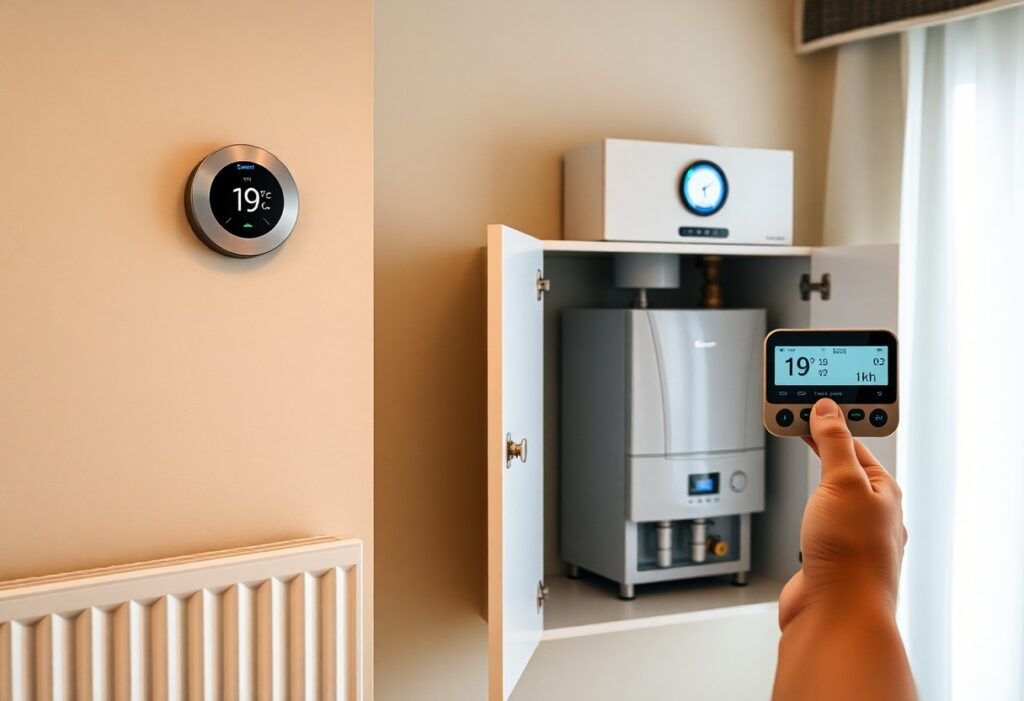
Energy use in your home can be reduced quickly; you should fit insulation and efficient appliances, turn off idle devices, and address overloaded sockets or faulty wiring to avoid fire risk while cutting bills and carbon.
Key Takeaways:
- Home heating and insulation: Improve loft and wall insulation, draught-proof windows and doors, lower the thermostat by 1°C and fit thermostatic radiator valves to cut heating energy use.
- Appliances and lighting: Use LED bulbs, choose high energy-rated appliances, run full loads on eco cycles and unplug devices to avoid standby consumption.
- Daily habits and smart choices: Wash at lower temperatures, air-dry clothes, install smart meters/plugs to monitor use and compare tariffs or switch to a greener supplier to reduce bills.
Identifying Key Factors in Residential Energy Demand
Assessing your home’s energy demand reveals where you waste power and where to invest. Perceiving the roles of insulation, heating, lighting and appliances guides practical savings.
- Insulation & heat loss
- Appliances power ratings
- Heating controls & behaviour
Evaluating Building Insulation and Heat Loss
Check walls, loft and windows for gaps, damp or thin insulation; you can use a thermal camera or a simple draught test to spot heat loss and prioritise fixes.
Analyzing Appliance Power Ratings and Efficiency Labels
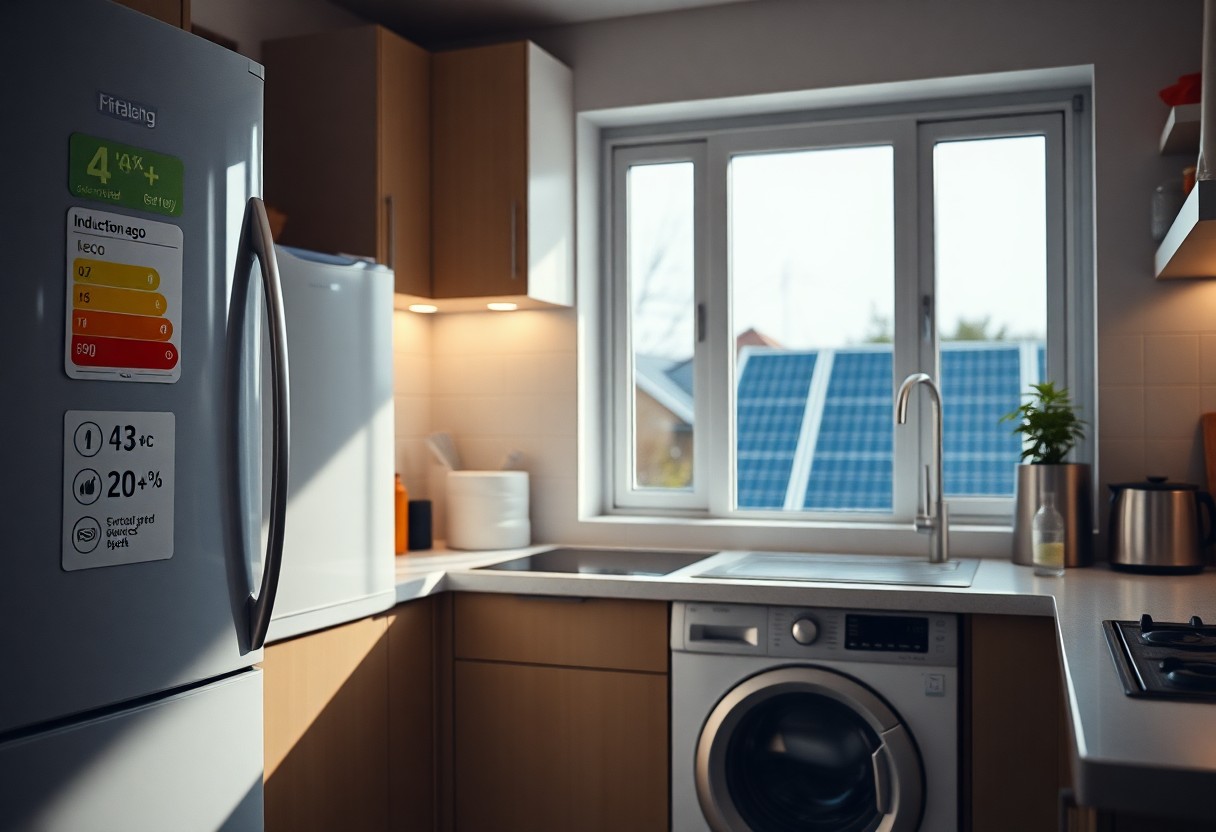
Compare labelled power ratings and annual kWh figures so you buy lower-running-cost models; watch efficiency labels and standby consumption to cut bills.
Read the appliance plate for wattage and the official efficiency label; convert watts to kWh (W/1000 × hours) to estimate running cost at your tariff. Use a plug-in meter to measure real-world use, watch for high standby draw, and prefer models with lower annual kWh and reliable warranties to reduce long-term energy bills.
How to Optimize Your Home Heating System
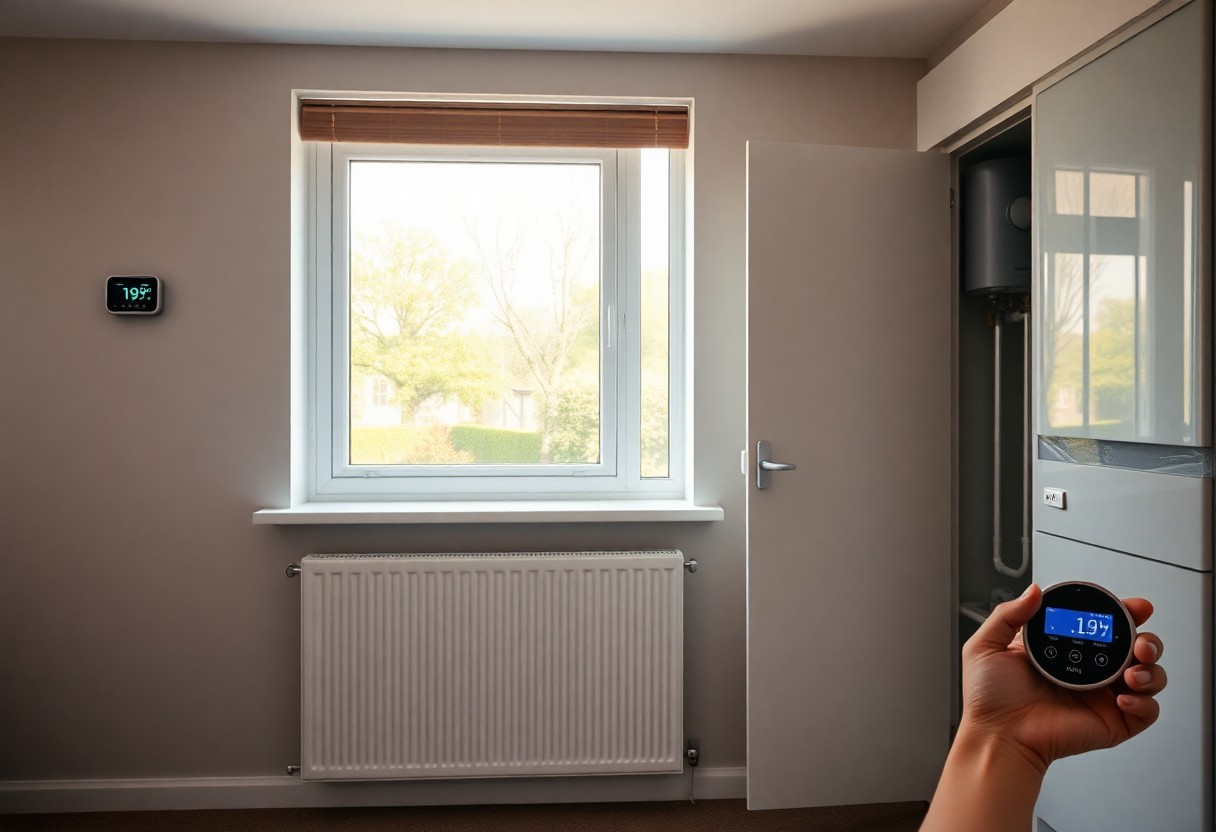
Control your heating by lowering temperatures when you’re out and using timers to cut running hours; this reduces bills and carbon emissions, while regular maintenance keeps your boiler efficient.
Utilizing Programmable Thermostats and Zone Control
Program a thermostat to drop temperatures at night and when you’re out, and use zone control so you only heat occupied rooms, which cuts fuel use and improves comfort.
Implementing Draught-Proofing for Windows and Doors
Seal gaps around windows and doors with strips or brushes so you stop cold air, lower heating demand and reduce bills, while keeping vents open to avoid mould risk.
Inspect window frames, letterboxes and gaps under doors to find draughts; you can fit adhesive seals, foam strips or door brushes yourself, or hire a pro for older sash windows. Properly fitted draught-proofing can save energy and improve comfort, but do not block purpose-built vents because trapped moisture causes condensation and mould; you should check seals annually.
Essential Tips for Lighting and Electronic Devices
You can cut lighting and electronic devices bills by switching to efficient bulbs and using smart strips to avoid wasted draw. This reduces energy use and lowers costs.
- Replace bulbs with LED lamps
- Use smart strips to stop vampire power
- Fit timers and dimmers to control lighting
Transitioning to High-Efficiency LED Alternatives
Switching to LED bulbs cuts lighting energy by around 75%, lasts far longer and delivers immediate savings; you should pick warm tones and dimmable options to keep comfort.
Eliminating Vampire Power and Standby Loads
Unplugging idle chargers and using smart strips stops vampire power from draining energy when devices sleep, so you’ll see steady reductions in your bills.
Assess your home for devices that draw power while “off”: set printers and consoles to full shutdown, fit labeled smart strips, and use timers or switched sockets to cut hidden waste; these steps can save you money and reduce unnecessary energy loss.
How to Increase Efficiency in the Kitchen and Laundry
Kitchen and laundry habits shape your household energy use; you should fill dishwashers and washing machines to capacity, run low-temperature cycles, and avoid running partial loads. Overfilling or overheating appliances can be unsafe, so follow manufacturer guidance and use timers to run during off-peak hours.
Adopting Energy-Conscious Cooking and Boiling Techniques
You can save energy by matching pan size to the burner, using lids, and boiling only the water you need. Keep kettles descaled to retain efficiency. Prefer pressure cookers, microwaves or slow cookers for small meals to cut cooking energy on many days.
Maximizing Load Capacity and Using Eco-Settings
Load machines to recommended capacity, use eco or 30°C cycles, and avoid pre-rinsing; running half loads wastes energy, so you should use half-load options when necessary and air-dry where possible.
Check your appliance manuals to understand eco programmes; these use lower temperatures and longer cycles to reduce energy and water. You should run full loads, select lower spin when fabrics allow, and use half-load settings rather than multiple small cycles. Don’t overload machines, as that causes poor cleaning and extra rewashes. For dryers, use moisture-sensor or lower heat and clean filters to maintain efficiency.
Reducing Energy Consumption Through Water Conservation
Conserving water at home cuts both water use and heating demand; you can save water and energy by fixing leaks, taking shorter showers and insulating hot water systems to reduce wasted heat.
Installing Low-Flow Showerheads and Aerators
Install low-flow showerheads and tap aerators to cut water use without big loss of pressure; you’ll reduce bills and often fit them yourself in minutes.
Insulating Hot Water Cylinders and Exposed Pipework
Insulate your cylinder and exposed pipes to reduce heat loss and lower heating cycles; cover lagging to save energy, but leave access to controls.
When insulating hot water cylinders, fit a purpose-made jacket and wrap exposed pipes with foam sleeves to shorten boiler run times; do not cover safety valves or thermostats and keep fittings accessible. If your system is older or you’re unsure, use a qualified engineer to avoid risk of damage or safety issues.
Summing up
You will cut household energy by insulating, upgrading to efficient appliances, using smart controls, lowering the thermostat and avoiding standby power; these practical steps save money and reduce emissions without sacrificing comfort.
FAQ
Q: How can I reduce heating costs at home?
A: Set your thermostat to a lower, comfortable temperature and use a programmable timer to reduce heating when you are out or asleep. Lowering the thermostat by 1°C can cut heating bills by around 8-10%. Install thermostatic radiator valves so you heat only occupied rooms and bleed radiators to keep the system efficient. Improve insulation by adding loft insulation and draught-proofing windows and doors to retain heat and reduce boiler runtime.
Q: What simple appliance and lighting changes save the most electricity?
A: Replace incandescent and halogen bulbs with LEDs; LEDs use about 80% less electricity and last much longer. Turn appliances fully off rather than leaving them on standby and use smart plugs or master switches to cut phantom loads. Run washing machines and dishwashers with full loads and use lower temperature cycles; washing at 30°C typically uses far less energy than hotter cycles. Use a kettle for the exact amount of water needed and air-dry clothes when possible to avoid tumble-dryer energy use.
Q: How can I reduce energy used for hot water?
A: Set the hot water cylinder thermostat to an appropriate safe temperature (commonly around 60°C for stored systems) and fit a timer so the cylinder heats only when needed. Insulate hot water cylinders and exposed pipes to reduce heat loss and fit low-flow showerheads or aerators to cut hot-water demand. Shorten shower times and consider upgrading to a more efficient combi boiler or heat pump to lower hot-water energy consumption.
Q: Are smart meters and energy monitors worth installing?
A: Install a smart meter and use the in-home display or an energy monitor to see real-time electricity use and identify high-use appliances. Seeing usage patterns makes it easier to change behaviours that drive up bills and to check the impact of energy-saving measures. Use tariff information from your supplier to find a better deal once you understand when and how you consume energy.
Q: What longer-term home improvements give the biggest power savings?
A: Insulate the loft, cavity walls, and floors to cut heat loss; these measures often deliver the largest reductions in heating demand. Upgrade single-glazed windows or add secondary glazing to reduce drafts and heat loss through glass. Replace an old boiler with a high-efficiency condensing model or, where suitable, install a heat pump; add solar PV panels to offset electricity consumption over time. Check for government or local grants and schemes that may help fund energy-efficiency upgrades.