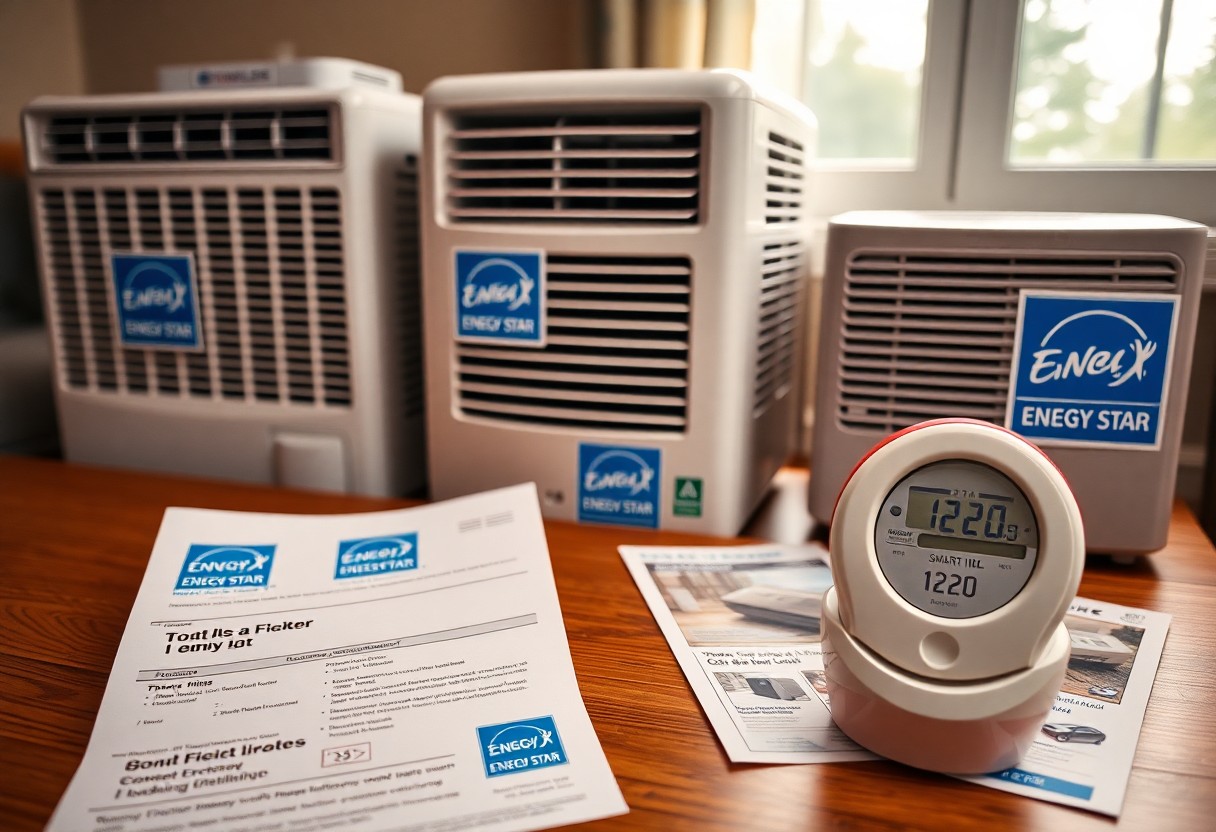
Most buyers like you choose Energy Star Most Efficient air conditioners to cut your electricity bill, prefer the highest-efficiency models, and must watch for dangerous refrigerant leaks or poor installation that undermines savings.
Key Takeaways:
- ENERGY STAR Most Efficient air conditioners deliver top-tier SEER and HSPF ratings, cutting cooling energy use and lowering monthly electricity bills.
- Inverter-driven, variable-speed compressors and smart controls boost efficiency and comfort; higher purchase prices are often offset by reduced energy costs and available rebates.
- Proper sizing and professional installation preserve efficiency gains; compare SEER/EER/HSPF ratings, the ENERGY STAR Most Efficient label, and local incentive programs before buying.
Decoding Energy Star “Most Efficient” Ratings
Energy Star’s “Most Efficient” tag marks models that exceed standard criteria; when you pick these, you gain lower running costs and improved performance. You should expect stricter testing, limited qualifying models, and a tradeoff between higher upfront cost and long-term savings.
Understanding SEER2 and EER2 Standards
SEER2 and EER2 quantify seasonal and peak efficiency so you can compare real-world performance; SEER2 reflects seasonal output while EER2 shows efficiency at high temperatures. Choosing higher ratings helps you cut bills and keep spaces comfortable.
The Technology Behind High-Efficiency Cooling
Variable-speed compressors and inverter controls let your system match demand, reducing cycling and delivering quieter operation with reduced energy use. You’ll also benefit from improved heat exchangers, smarter controls, and better refrigerants that raise seasonal efficiency.
Advanced systems combine variable-speed drives, ECM fans, and larger coil surfaces so you see lower energy bills and superior humidity control; expect app integration and diagnostics, but plan for higher service cost if specialized components require repair.
Top-Rated Central Air Conditioning Systems
Central systems with high SEER ratings deliver steady comfort and lower bills when you pick the right size and installer; you should prioritize Energy Star Most Efficient models and SEER 16+ for best savings.
Leading Brands for Whole-Home Efficiency
Brands such as Trane, Carrier and Lennox offer model lines that give you consistent efficiency and long warranties; choose Energy Star Most Efficient-certified units to cut consumption.
Variable-Speed Compressor Advantages
Variable-speed compressors modulate output to match demand, reducing short cycling and improving humidity control; you’ll see quieter operation and lower energy use especially during partial-load conditions.
You’ll benefit from inverter-driven compressors that modulate speed, offering 15-30% energy savings, improved humidity control, and quieter operation; balance higher upfront cost with faster payback and secure professional installation to reduce refrigerant leaks risk.
Best Energy Star Window and Portable Units
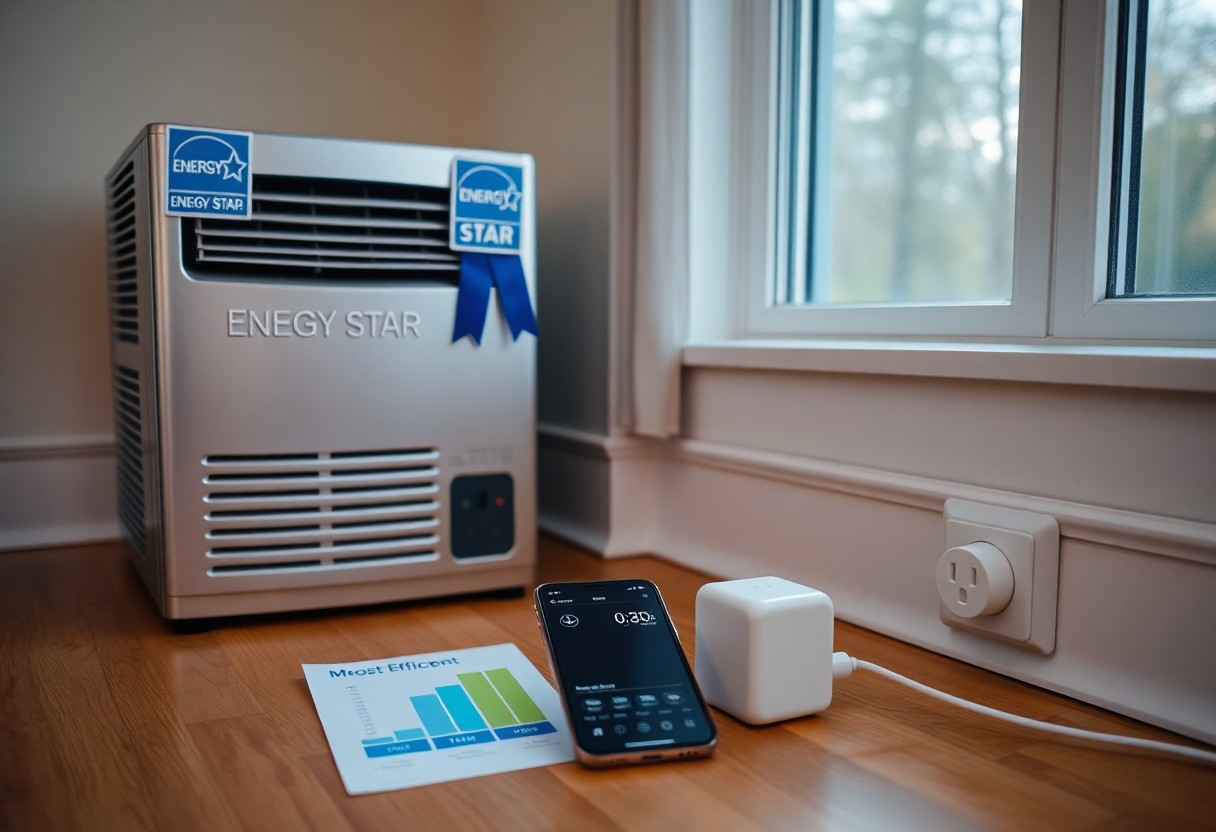
Window and portable Energy Star models deliver targeted cooling for rooms, helping you cut costs without expensive central upgrades. Choose units with high SEER or EER ratings and proper sizing to maximize savings; always avoid blocked vents and poor sealing which increase consumption.
Maximizing Efficiency in Small Spaces
Optimize small-room performance by matching unit capacity to room size so you don’t short-cycle or waste power; seal gaps and use timers so you and your unit run efficiently.
Smart Features for Reduced Energy Waste
Select models with programmable thermostats, occupancy sensors, and Wi‑Fi scheduling so you control cooling when you are home and cut wasted runtime.
Using smart scheduling, geofencing and adaptive compressors, you can shave hours off unnecessary run time by setting temperature setbacks and cooling zones; monitor usage to keep bills low. Beware models that transmit data insecurely; opt for units with secure connectivity and clear energy reports so you can verify savings and protect your privacy.
High-Performance Ductless Mini-Split Picks
Choose high-performance ductless mini-splits with Energy Star Most Efficient ratings so you can cut your electricity bill with precise zone control and quiet operation; avoid oversized units and ensure professional installation to protect performance and safety.
Precision Cooling with Inverter Technology
Inverter compressors adjust output continuously so you can maintain steady temperatures, reduce energy use, and enjoy quieter operation; you should pair them with proper sizing for best results.
Multi-Zone Solutions for Targeted Savings
Zoned systems let you direct climate control where you need it most so you can shut off unused rooms and maximize savings while maintaining comfort across multiple areas.
When planning multi-zone setups, map your space and confirm proper sizing and ductless head placement so you can balance comfort, avoid inefficiencies, and realize multi-zone savings; consider professional design to prevent performance loss.
Financial Incentives and Long-Term ROI
You can offset upfront cost with rebates and tax credits; some offers cover hundreds to thousands of dollars, improving payback. If you choose a high-efficiency Energy Star Most Efficient unit, you can expect faster return and lower lifetime operating costs, but factor installation and sizing for accurate ROI.
Navigating Federal Tax Credits and Rebates
Explore federal tax credits and local rebates to reduce purchase costs; federal credits may cover hundreds while utility rebates vary by program. You should collect model numbers and efficiency ratings to apply quickly and maximize savings.
Estimating Annual Electricity Bill Reductions
Estimate your savings by comparing SEER ratings and current usage; a top-rated Energy Star unit can cut cooling costs by 20-40% depending on climate and habits.
Compare current annual cooling kWh, your local rate, and expected percent reduction to calculate savings. If your cooling totals 3,000 kWh annually at $0.15/kWh, a 30% improvement saves 900 kWh = $135/year. Divide incremental equipment and install cost by that figure for payback years; oversizing can cut efficiency and lengthen payback.
Optimizing System Performance and Lifespan
Keep filters, coils and refrigerant levels in spec to maintain peak efficiency and extend compressor life; you can cut energy use and avoid costly breakdowns by scheduling routine checks and addressing airflow restrictions promptly.
Critical Role of Professional Load Calculation
Professional load calculations give you the correct tonnage and duct sizing so the unit cycles properly, prevents short-cycling, and avoids oversized systems that waste energy and shorten equipment life.
Maintenance Protocols to Preserve Energy Ratings
Maintain condenser coil cleanliness, proper refrigerant charge, and clear airflow so your system retains its Energy Star performance and you avoid higher bills or potential refrigerant leaks.
Inspect filters monthly, replace as needed, and schedule biannual professional tune-ups that include coil cleaning, refrigerant verification, and thermostat calibration; these actions keep your system within its rated efficiency, can reduce your consumption by up to 20%, and prevent hazardous refrigerant leaks-only allow EPA-certified technicians to handle refrigerant and electrical repairs.
Conclusion
Drawing together, you can rely on Energy Star Most Efficient air conditioners to cut your electricity bill when you pick high SEER/EER models, size units properly, schedule professional installation, and apply available rebates for maximum long-term savings.
FAQ
Q: What does “Energy Star Most Efficient” mean for air conditioners?
A: Energy Star Most Efficient is an annual designation from the Energy Star program that highlights the top-performing air conditioners and heat pumps in a given year. Models earning the label must exceed standard Energy Star requirements by delivering superior seasonal energy efficiency (higher SEER2/EER2 and HSPF2 for heat pumps), advanced control features such as variable-speed compressors and smart thermostats, and lower environmental impact through reduced energy use or lower-GWP refrigerants. The label indicates a product that should use noticeably less electricity than typical models, though real-world savings depend on climate, system sizing, installation quality, and occupant behavior.
Q: How much can I save on my electricity bill by choosing an Energy Star Most Efficient air conditioner?
A: Savings vary by the efficiency of your current equipment, local climate, and usage patterns. Replacing an older 8-10 SEER unit with a 16-22 SEER Energy Star Most Efficient model commonly reduces cooling energy use by roughly 25% to 50% in many situations, with higher percentages possible in hot, long-season climates. Use SEER2/EER2 ratings, local cooling degree days, and your utility rate to estimate expected dollar savings. Professional installation and minimized duct losses are vital to realizing advertised efficiency gains.
Q: Which types of air conditioners most often appear on the Most Efficient list?
A: Ductless mini-split heat pumps with inverter-driven, variable-speed compressors frequently appear because they offer high part-load efficiency and precise zoning. High-SEER2 central heat pumps and multi-stage or variable-speed central ACs also qualify. Advanced window and portable units using inverter technology have begun to show up for small-space cooling. Manufacturers commonly represented include Mitsubishi, Fujitsu, Daikin, Lennox, and LG, although qualifying models change each year.
Q: What should I consider when choosing a Most Efficient model to maximize electricity savings?
A: Correct equipment sizing is the first priority, since oversized or undersized units both reduce efficiency and comfort. Compare SEER2, EER2, and HSPF2 ratings and favor variable-speed compressors and multi-stage modulation for consistent temperatures and better humidity control. Factor in quality installation, proper refrigerant charge, duct sealing and insulation, and compatible controls or zoning to prevent installation losses from negating efficiency gains. Check warranty terms and service support for long-term value.
Q: Do Energy Star Most Efficient air conditioners cost more up front, and are there incentives to offset that cost?
A: High-efficiency units usually carry a price premium compared with basic models, often 20%-50% higher depending on features and capacity. Typical payback periods range from about 3 to 10 years, influenced by climate, electricity prices, and annual runtime. Federal tax credits, state and local rebates, and utility incentive programs often reduce out-of-pocket cost; Energy Star Most Efficient models are commonly eligible for the best rebates. Check the Database of State Incentives for Renewables & Efficiency (DSIRE), your local utility, and manufacturer offers before buying.