Electricity waste inflates bills; you can cut costs fast by switching to LED bulbs, using a programmable thermostat, sealing drafts, running full loads, and avoiding overloaded outlets or damaged wiring to prevent hazards while achieving rapid bill reductions.
Key Takeaways:
- Switch to LED bulbs and install smart timers or motion sensors to cut lighting energy use by up to 75%.
- Set the thermostat 2-3°F lower in winter and higher in summer, use a programmable or smart thermostat, and keep HVAC filters clean to lower heating and cooling costs.
- Unplug chargers and idle electronics or use smart power strips, run full laundry and dishwasher loads, and choose ENERGY STAR appliances to reduce phantom loads and improve overall efficiency.
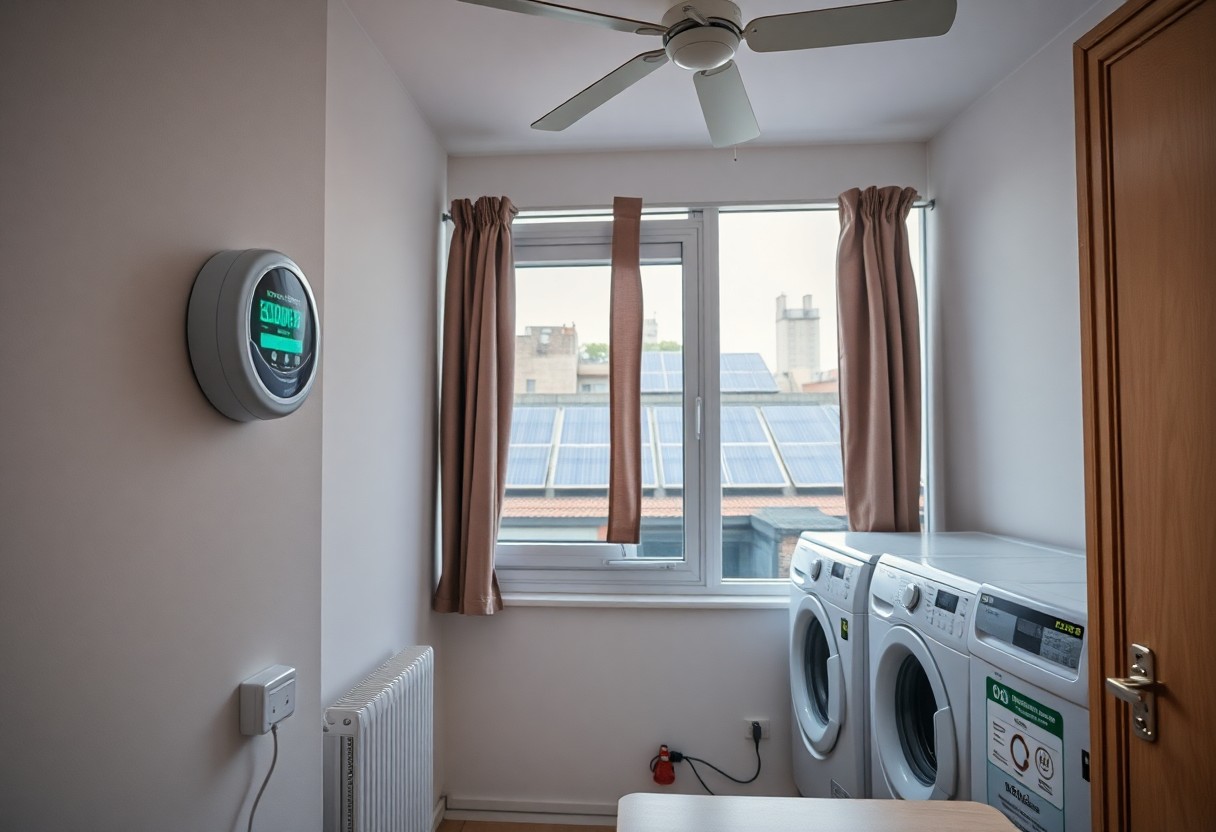
Factors Influencing Residential Energy Consumption
Household size, insulation and appliance use shape your residential energy consumption and monthly electricity bill. Knowing which factors spike usage lets you target quick savings.
- Occupancy & behavior
- Insulation & seasonal weather
- High-wattage appliances
Evaluating high-wattage household appliances
Assessing major devices like ovens, dryers and HVAC helps you find high-wattage appliances that inflate your bill; unplugging or replacing them cuts usage significantly.
Understanding the impact of seasonal weather changes
Seasonal shifts change heating and cooling loads, so your usage spikes in winter or summer when HVAC runs more; adjust setpoints and seal drafts to lower demand.
You can limit seasonal spikes by lowering thermostats a few degrees, using programmable thermostats, adding attic insulation and shading windows; managing humidity reduces AC runtime. High humidity and poor sealing drive extra energy use and increase system strain, so prioritize weatherization and routine HVAC maintenance.
How-to Optimize Heating and Cooling Efficiency
Optimize your heating and cooling by setting moderate temperatures, using programmed setbacks when you’re away, and closing vents in unused rooms; these steps help you reduce runtime and deliver noticeable bill savings fast.
Installing and programming smart thermostats
Installing a smart thermostat lets you schedule temperature setbacks, control settings remotely, and learn patterns so you can trim HVAC runtime while maintaining comfort; pairing it with sensors helps you shave energy use.
Sealing air leaks around windows and doors
Sealing gaps around windows and doors stops drafts, improves comfort, and helps you retain conditioned air using caulk, weatherstripping, and door sweeps to cut heating and cooling costs immediately.
Inspect the perimeter, feeling for drafts and checking for daylight at edges. Use foam backer rod for large gaps, silicone caulk for small cracks, and add weatherstripping or door sweeps so you stop infiltration. If you find water stains, rot, or mold, have repairs done promptly to avoid structural damage and health risks. Proper sealing can cut HVAC energy use 5-15%, and combining sealing with insulation and vent sealing maximizes your savings.
Practical Tips for Reducing Kitchen Utility Costs
Kitchen choices cut your kitchen utility costs fast by swapping older devices for energy-efficient models and adopting simple habits. The list below shows quick steps to save electricity.
- Switch to energy-efficient appliances and LED lights
- Match pot size to burner and use lids to save electricity
- Unplug idle gadgets to reduce phantom load and lower kitchen utility costs
- Defrost and seal your freezer to prevent ice buildup
Utilizing energy-efficient cooking methods
Choose pressure cookers, induction hobs, and microwaves when appropriate to cut cook time; use lids and residual heat to finish dishes so you save electricity and reduce overall kitchen utility costs.
Maintaining refrigerator and freezer performance
Keep coils clean, door gaskets tight, and temperatures set correctly so you prevent compressor strain; defrost when ice exceeds ¼ inch to maintain efficiency and save electricity.
You should vacuum condenser coils every few months, check seals using a simple dollar-bill test, set the fridge to about 37-40°F (3-4°C) and the freezer to 0°F (-18°C), avoid overpacking, and keep units away from ovens or direct sunlight to preserve performance and cut bills.

How-to Transition to Sustainable Lighting Solutions
You should transition to efficient fixtures room-by-room, prioritizing LEDs and smart controls to cut energy use, lower heat output, and reduce long-term costs while maintaining brightness.
Replacing traditional bulbs with LED technology
Replace incandescent and CFL bulbs with LEDs to use up to 80% less energy, extend bulb life, and lower replacement costs while preserving light quality.
Implementing motion sensors and timers
Install motion sensors and timers to ensure lights turn off when rooms are empty; automate shutdowns in seldom-used areas to eliminate wasted lighting and lower bills.
When choosing sensors, pick vacancy mode to maximize savings; occupancy offers convenience but more triggers. Mount sensors to avoid false activations, set sensible timeouts, and angle detectors away from heat sources so vacancy mode saves energy and proper placement prevents wasted activations.
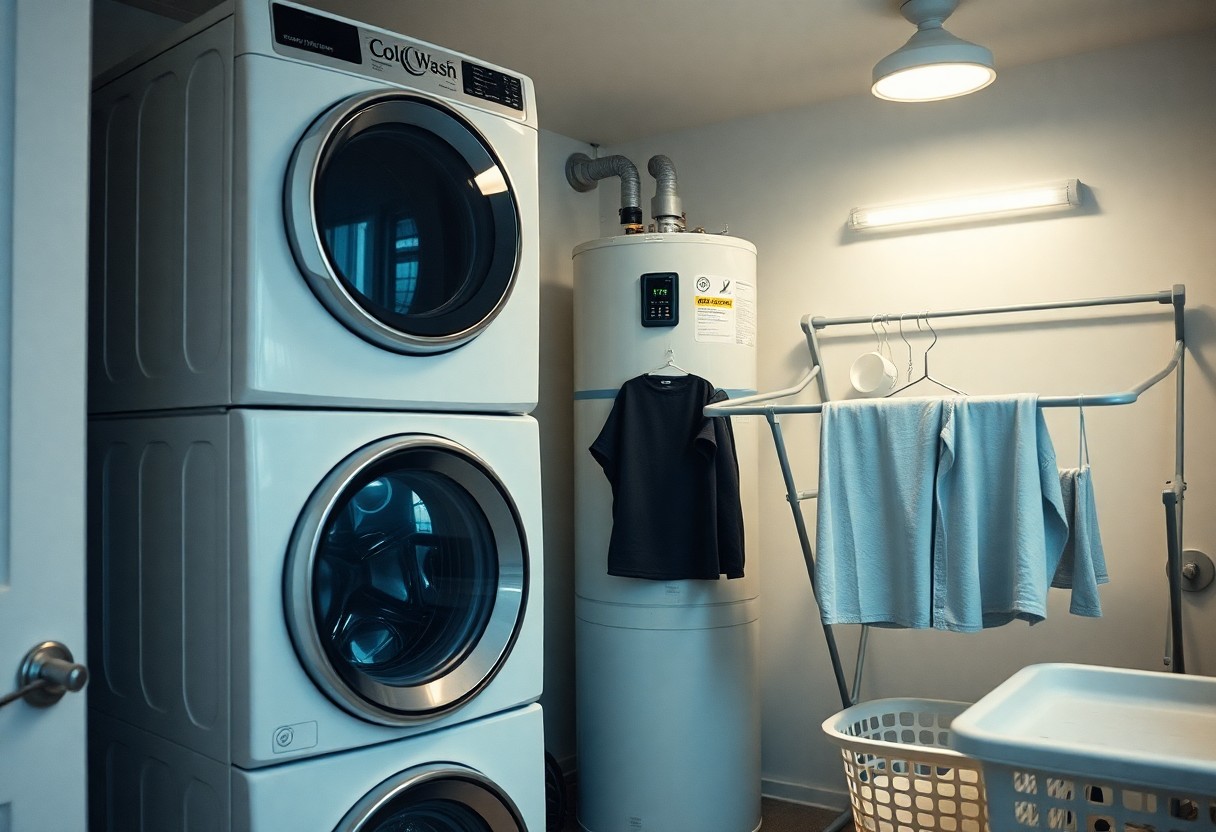
Essential Tips for Managing Laundry and Water Heating
Cut waste by running full loads, choosing efficient settings, and using cold water cycles to reduce your electricity use. Knowing small changes to your water heater and laundry habits can cut your bill fast.
- Run full loads to lower cycles
- Use cold water for most washes
- Set water heater to 120°F
Quick Actions
| Action | Benefit |
|---|---|
| Run full loads | Fewer cycles and less electricity |
| Use cold water | Cuts heating energy per wash |
| Lower water heater temp | Reduces standby losses and bills |
Adopting cold water washing cycles
Switch to cold water washes for everyday clothes; you cut the water heating portion of each load, preserve fabrics, and still get clean results with modern detergents.
Lowering the temperature on water heater tanks
Turn your water heater thermostat to about 120°F to reduce standby heat loss and lower your electricity consumption without noticeable comfort loss for showers and dishes.
Lowering the tank to 120°F can save 5-10% of household electricity each year, but watch for scald risk; if you have young children or elderly residents, fit thermostatic mixing valves or anti-scald devices to protect them.
Water Heater Details
| Setting/Action | Effect/Note |
|---|---|
| 120°F | Most efficient balance of comfort and energy savings |
| Lowering too much | May increase bacterial risk in some systems; consult manual |
| Anti-scald valves | Protects vulnerable household members from burns |
| Annual flush | Removes sediment that lowers efficiency |
Factors Contributing to Phantom Power Waste
- Phantom power
- Standby power
- Vampire electronics
- Idle load
- Smart power strips
Many devices draw phantom power when switched off, with chargers, TVs and set-top boxes creating a hidden drain that raises bills. Knowing how these vampire electronics operate lets you cut waste quickly.
Identifying vampire electronics and standby modes
Check power strips and outlets for devices using standby power; items with constant LEDs or warm chargers often indicate a vampire draw, so unplug or switch them off to stop waste.
Using smart power strips to cut idle load
Install smart power strips to automatically cut idle load from peripherals when the main device sleeps, reducing needless consumption without manual unplugging.
Smart power strips use a master outlet or sensors to switch off downstream sockets when the primary device shuts down; you can pick models with timers, load sensing or app control to cut standby watts by up to 10-20% on typical household bills and eliminate persistent vampire drain.
Final Words
You can cut your electricity bill quickly by switching to LEDs, using smart thermostats and timers, sealing drafts, and unplugging idle devices; consistent small changes add up and let you save money each month.
FAQ
Q: How can I cut lighting costs in my home quickly?
A: Switch to LED bulbs to reduce lighting energy use by about 75% compared with incandescent bulbs; LEDs also last 10-25 times longer, lowering replacement costs. Choose ENERGY STAR-rated LEDs and match lumen output to room needs instead of buying higher-watt equivalents. Install dimmers, motion sensors, or timers in rooms with intermittent use to avoid lights left on. Use task lighting for work areas and maximize daylight by keeping windows and light-colored surfaces clean to reduce the number of artificial lights required. Turn off lights when leaving a room and consider smart bulbs or sensors for automated control if manual habits are hard to maintain.
Q: What practical steps cut heating and cooling bills fast?
A: Set a programmable or smart thermostat to raise the setpoint 2-3°F in summer and lower it 2-3°F in winter during times you are away or asleep; small setpoint changes can lower HVAC costs by several percent per degree. Replace dirty filters monthly or as recommended and have annual HVAC maintenance to keep systems running efficiently. Seal gaps around windows and doors with caulk and weatherstripping, and add insulation where attic or wall R-values are low to reduce heat transfer. Use ceiling fans to make rooms feel cooler and shade windows with blinds, awnings, or solar screens to cut cooling load. Consider scheduling a duct inspection and sealing leaky ducts in unconditioned spaces to prevent lost conditioned air.
Q: How can I reduce standby and appliance energy use?
A: Plug entertainment centers and chargers into advanced power strips or smart plugs and turn the strips off when devices are not in use to eliminate vampire loads; standby consumption can account for roughly 5-10% of residential electricity use. Replace old appliances with ENERGY STAR models when appliances near end of life; newer refrigerators, washers, and dishwashers use far less energy and water. Run full loads in dishwashers and washing machines and use cold-water settings for laundry when possible. Air-dry dishes and clothes when practical, and use lids on pots to speed cooking. Keep refrigerator coils clean, set fridge temperature to 35-38°F (fridge) and 0-5°F (freezer), and avoid placing heat-producing appliances near thermostats.
Q: Which low-cost upgrades give the fastest bill reductions?
A: Seal air leaks around doors, windows, and plumbing penetrations with caulk and weatherstripping; sealing obvious leaks often yields immediate noticeable savings in heating and cooling bills. Replace incandescent bulbs with LEDs throughout the home for a quick energy and maintenance win. Install a programmable or smart thermostat to automate setback schedules without behavior changes. Add pipe insulation to hot water lines and a tank wrap or lower water heater temperature to 120°F to reduce water heating costs. Swap old showerheads for low-flow models and shorten showers by a minute or two to cut both water heating and electricity usage.
Q: How do I measure savings and track progress after making changes?
A: Compare monthly kWh usage on electric bills before and after changes, adjusting for seasonal weather differences using degree days or the utility’s historical data. Use a plug-in energy meter (Kill A Watt or similar) to measure specific appliance consumption and identify high-usage devices. If available, monitor a smart meter or the utility app for near-real-time usage trends and set baseline weeks for comparison. Track actions and estimated savings in a simple spreadsheet, noting dates of upgrades and behavior changes so you can correlate them with bill drops. Recheck major measures annually to confirm continued performance and to catch issues like fridge coil dust or HVAC filter clogging that reduce savings over time.