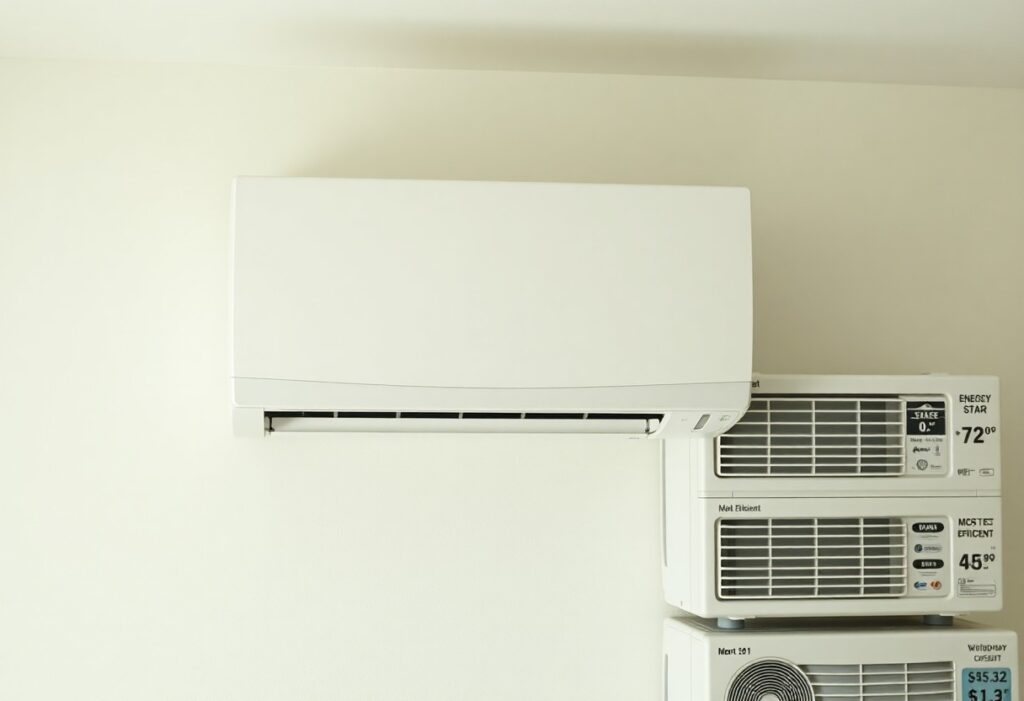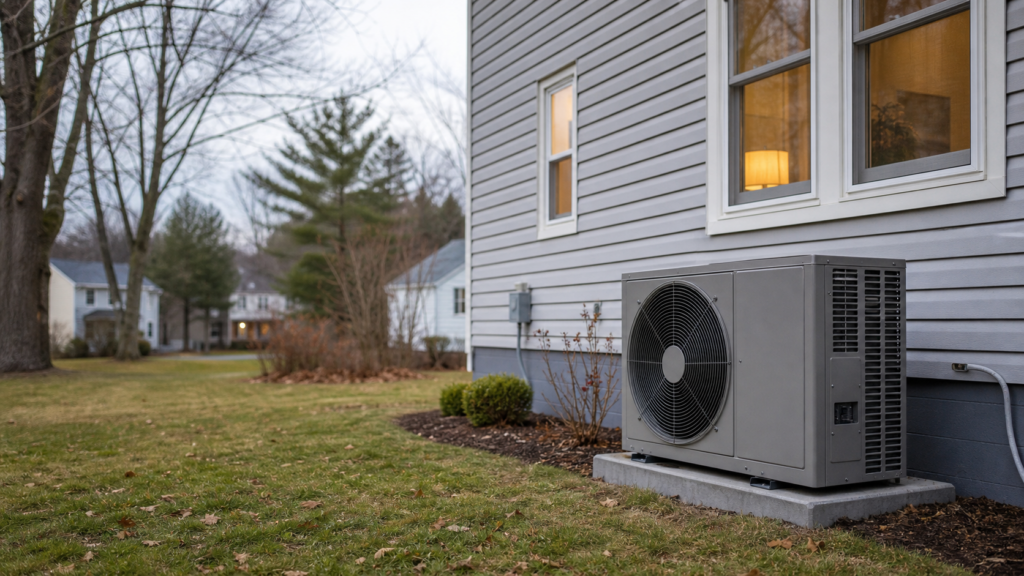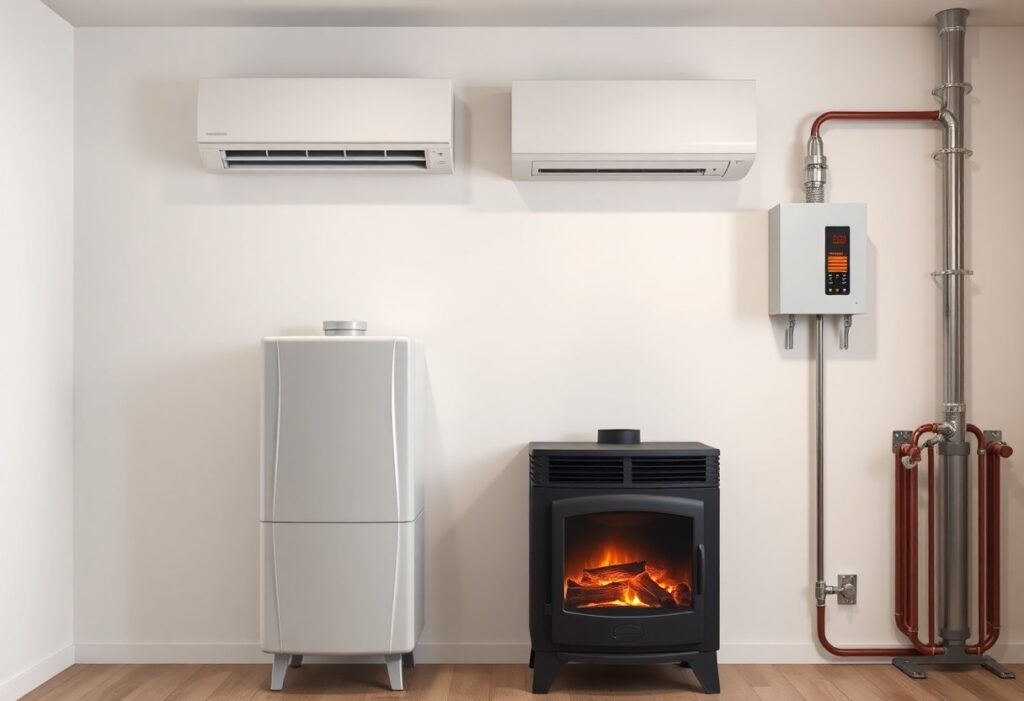
energy choices shape comfort and costs; you must size systems correctly (proper sizing), avoid unvented combustion heaters (carbon monoxide/fire risk), and favor high-efficiency models for lower bills.
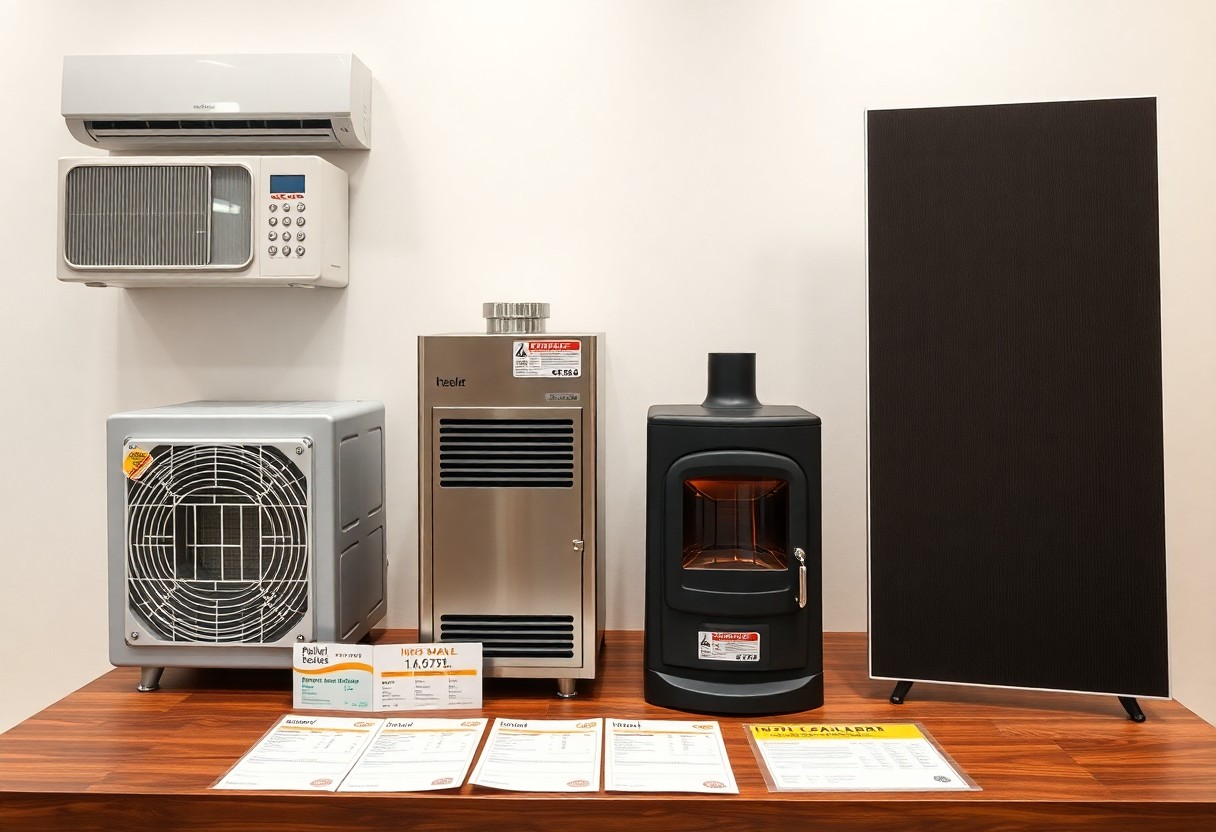
Types of energy‑efficient heaters
When you compare heater options you focus on seasonal efficiency, zoning ability, and operating costs; choose systems that deliver high efficiency, low losses, and reliable controls to lower bills and emissions.
| Type | Why it helps you |
|---|---|
| Heat pumps | Move heat rather than create it, offering high COP and year‑round comfort |
| Electric radiant / infrared | Provide targeted warmth with minimal air movement and quick response |
| Condensing gas boilers | Recover heat from exhaust to boost efficiency for hydronic systems |
| Electric convection & oil‑filled | Offer simple, low‑maintenance heating with steady room temperatures |
- Heat pumps
- Electric radiant & infrared
- Condensing gas boilers
- Electric convection heaters
Heat pumps (air-source, ground-source, hybrid)
You’ll find heat pumps efficient because they transfer heat with compressors and refrigerants; they offer cooling, strong seasonal performance, and reduced running costs when sized and installed correctly.
Electric radiant and infrared heaters
Using electric radiant or infrared units gives you direct object heating, fast warmth for occupied zones, and quiet operation, but proper placement avoids hot surfaces and contact hazards.
Additionally, you should check element type, control accuracy, and surface temperatures; low‑mass elements heat quickly while panels offer gentler, more even warmth. You can pair units with timers or thermostats for better efficiency, and position them to avoid combustibles and skin contact. The built‑in tip‑over and overheat cutouts markedly reduce fire and burn risks.
How efficiency is measured
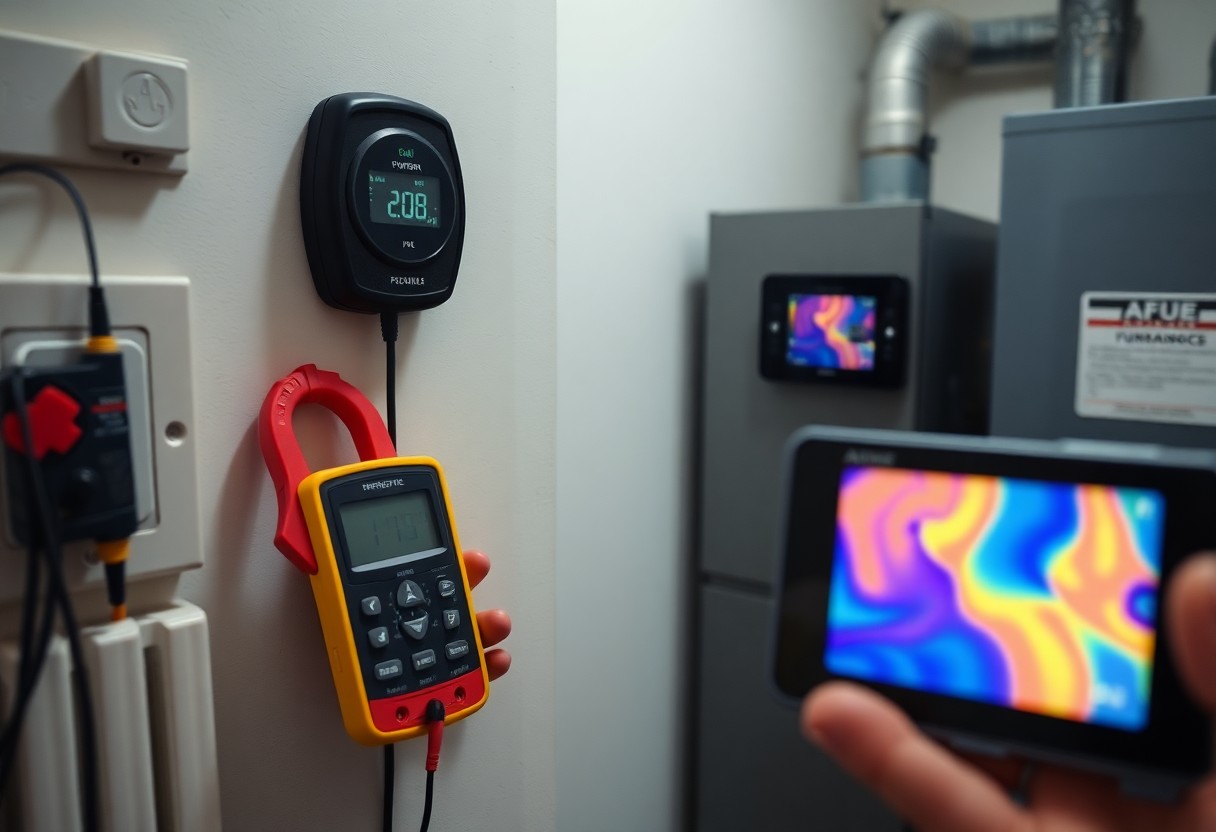
Efficiency metrics let you compare heaters by lab-tested output and seasonal performance, but real-world results can vary substantially. You should weigh label figures against typical use, climate, and controls to assess true operating cost.
COP, HSPF, SEER and seasonal metrics
Metrics like COP, HSPF and SEER show instantaneous or seasonal efficiency; higher values mean lower running costs. You should prefer seasonal ratings (HSPF/SEER) for year-round estimates and COP for momentary performance in specific temperatures.
Energy labels, certification and real-world performance
Labels and certifications indicate tested efficiency and safety; look for programs like ENERGY STAR or local equivalents that provide verified performance. You should compare label conditions to your climate to estimate actual savings.
Furthermore, labels reflect standardized tests under set conditions, so you must check test climate, load profiles and installation notes; poor installation can erase claimed savings. You should also seek independent test reports and user feedback to gauge real-world performance.
Choosing the right heater for your space
Selecting a heater depends on room size, insulation and usage patterns; you should match heater type to your routines, prioritize high-efficiency models, and weigh installation and ongoing costs to optimize comfort and savings.
Calculating heat load and capacity needs
Estimate required output by calculating room volume, heat loss through walls/windows, and local climate; you should choose a heater with a slightly higher BTU or watt rating than the minimum to avoid undersizing.
Room-by-room considerations and use cases
Assess each room’s function and occupancy so you can choose appropriately; bedrooms need quiet, low-draft options, bathrooms require moisture-safe units, and living areas benefit from controllable zoning to maximize comfort and efficiency.
For small bedrooms you may prefer silent panel or oil-filled radiators; for larger, open-plan spaces a ductless heat pump or convection heater with zoning works better. In bathrooms pick IP-rated, wall-mounted or ceiling heaters and GFCI protection. If you use combustion heaters, ensure ventilation and carbon monoxide monitors to prevent CO risks and overheating.
Controls, zoning and smart integration
Effective controls let you tailor heating schedules, reduce waste and improve comfort; use zoning to heat only occupied areas and combine with programmable thermostats to cut bills and lower peak demand.
Programmable thermostats, sensors and zoning systems
Programmable thermostats, combined with sensors and zoning, let you set precise temperatures by room; if you install sensors poorly you may cause short-cycling, so position devices where they reflect actual occupancy and temperature.
Smart home integration and demand-response features
Seamless smart integration lets you control heaters remotely, participate in demand-response programs and lower costs, but be aware that weak security can expose systems to cyber risks.
Additionally, you should verify device compatibility, enable local override for comfort, and enroll in utility demand-response only if you accept occasional brief adjustments; utilities often pay rebates, and automatic load shedding can cut peak charges, but weak passwords or outdated firmware create security and privacy risks you must mitigate.
Installation, maintenance and safety best practices
When you install or maintain heaters, follow manufacturer guidelines and local codes, and hire a licensed installer for gas or hardwired systems; proper setup reduces energy waste and safety risks.
Proper installation and siting to maximize efficiency
Position heaters away from obstructions, follow specified clearances, and place thermostats where you get accurate temperature readings. For vented units ensure correct flue routing and for electric types verify circuit capacity to avoid overloads.
Routine maintenance and safety checks
Regularly inspect filters, vents and fuel lines; change filters and clear debris. Test your carbon monoxide detectors and verify seals or pilot lights. Schedule annual servicing for combustion units to maintain safety and efficiency.
Inspect heater components monthly: replace or clean filters, vacuum vents, tighten electrical connections, and clear flammable materials from required clearances. For gas or oil systems, have a certified technician check burners, flues and pressure annually; if you detect a gas smell or yellow flame call emergency services and shut off fuel. Test smoke and carbon monoxide alarms monthly and replace batteries yearly. Always cut power before internal work and document service dates to spot efficiency declines early.
Cost, incentives and environmental impact
Considering long-term savings, you should weigh purchase price against energy use and emissions; incentives can sway choices. Focus on operating costs and available rebates to decide which heater delivers the best value and lowest environmental footprint.
Upfront vs operating costs and payback estimates
Compare upfront purchase to ongoing bills; if you choose a high-efficiency heat pump, you may face higher initial cost but much lower operating costs, with payback periods often measured in 3-10 years depending on climate and energy prices.
Rebates, tax credits and lifecycle emissions
Explore rebates and tax credits that lower price and shorten payback; you should also account for lifecycle emissions-electric heat pumped with clean grid power can emit far less over its lifetime than fossil-fuel systems.
Additionally, you can stack federal tax credits, state rebates and utility incentives to cut upfront expense; search official program databases and installer offers. When calculating benefits include embodied carbon from manufacture and expected grid decarbonization-operational emissions decline as grids clean. Note that gas heaters produce ongoing combustion emissions and indoor pollutants; choosing electric heat pumps often yields both financial and environmental wins.
To wrap up
Summing up, you should choose reversible air-source heat pumps for whole-home efficiency, infrared or ceramic heaters for targeted zones, and oil-filled radiators for steady, low-power warmth; prioritize proper sizing and smart thermostats to maximize savings.
FAQ
Q: Which energy-efficient heaters are best for heating an entire home?
A: Air-source heat pumps (including cold-climate models) and ground-source (geothermal) heat pumps are the most energy-efficient whole-home options because they move heat rather than generate it; high-performance units can deliver 2.5-4+ units of heat per unit of electrical input (COP). Ductless mini-split heat pumps are excellent for retrofit or zoned heating where ducts are absent. For hydronic systems, modern condensing gas boilers achieve much higher AFUE than older models and pair well with radiant floors or baseboards. Upfront costs are higher for heat pumps and geothermal, but operating costs are typically much lower than electric resistance or older fossil-fuel systems, and many regions offer incentives or rebates.
Q: Which energy-efficient heaters are best for a single room or supplemental heat?
A: Ductless mini-split indoor units provide efficient, quiet zone heating with high seasonal efficiency and are ideal when you need significant supplemental heat. For smaller spaces, infrared (radiant) panels warm people and objects directly and can feel more efficient at low airflow; oil-filled radiators store and radiate heat steadily with low surface temperatures and no fan noise, making them good for bedrooms. Ceramic space heaters with thermostats and variable output are a cost-effective choice for short-term use when safety features (overheat and tip-over protection) are present. For each option, choose models with thermostats, timers, and energy-saving modes to avoid wasting energy.
Q: How do I pick and use an energy-efficient heater to minimize costs?
A: Size the heater to the room using a heat load estimate (BTU or kW) rather than guessing-oversized units cycle inefficiently and undersized units run continuously. Prioritize technologies with high COP or seasonal efficiency ratings (look for ENERGY STAR for heat pumps, high AFUE for boilers), inverter-driven compressors or variable output, and built-in thermostatic control or zoning to target only occupied spaces. Improve building envelope first-seal drafts, add insulation, and use window coverings-because even the most efficient heater wastes energy in a leaky room. Operate heaters with programmable thermostats, lower setpoints when spaces are unoccupied, and perform regular maintenance (filters, coils, combustion checks) to preserve efficiency.