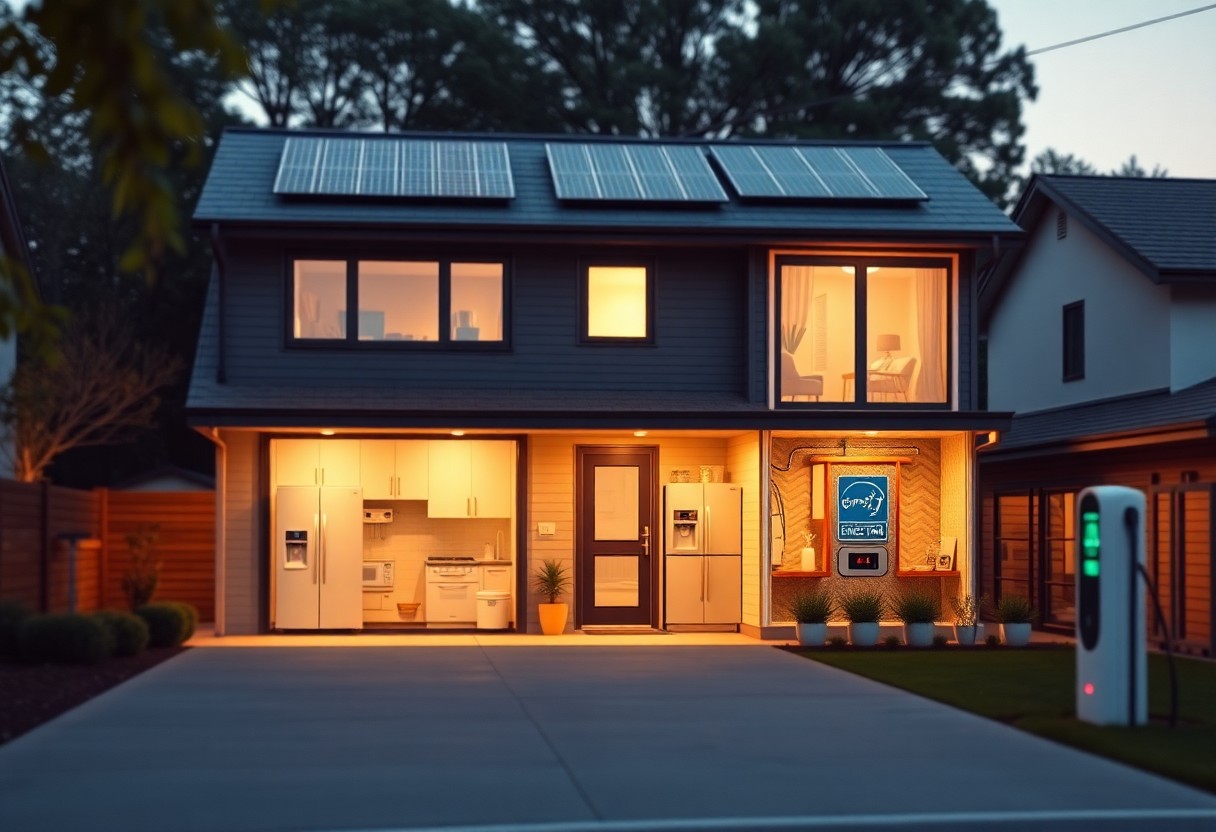
Foundation
What makes a home energy efficient?
See how insulation, air sealing, HVAC, windows, appliances, and occupant behavior work together.
Efficient homes are not defined by one gadget. Start with the building shell, heating and cooling, water heating, lighting, and daily habits; then prioritize the improvements that fit your climate, home, and budget.
These guides explain the basics before you compare products or try to estimate a saving. Results vary by climate, utility rate, equipment condition, and how the home is used.
See how insulation, air sealing, HVAC, windows, appliances, and occupant behavior work together.
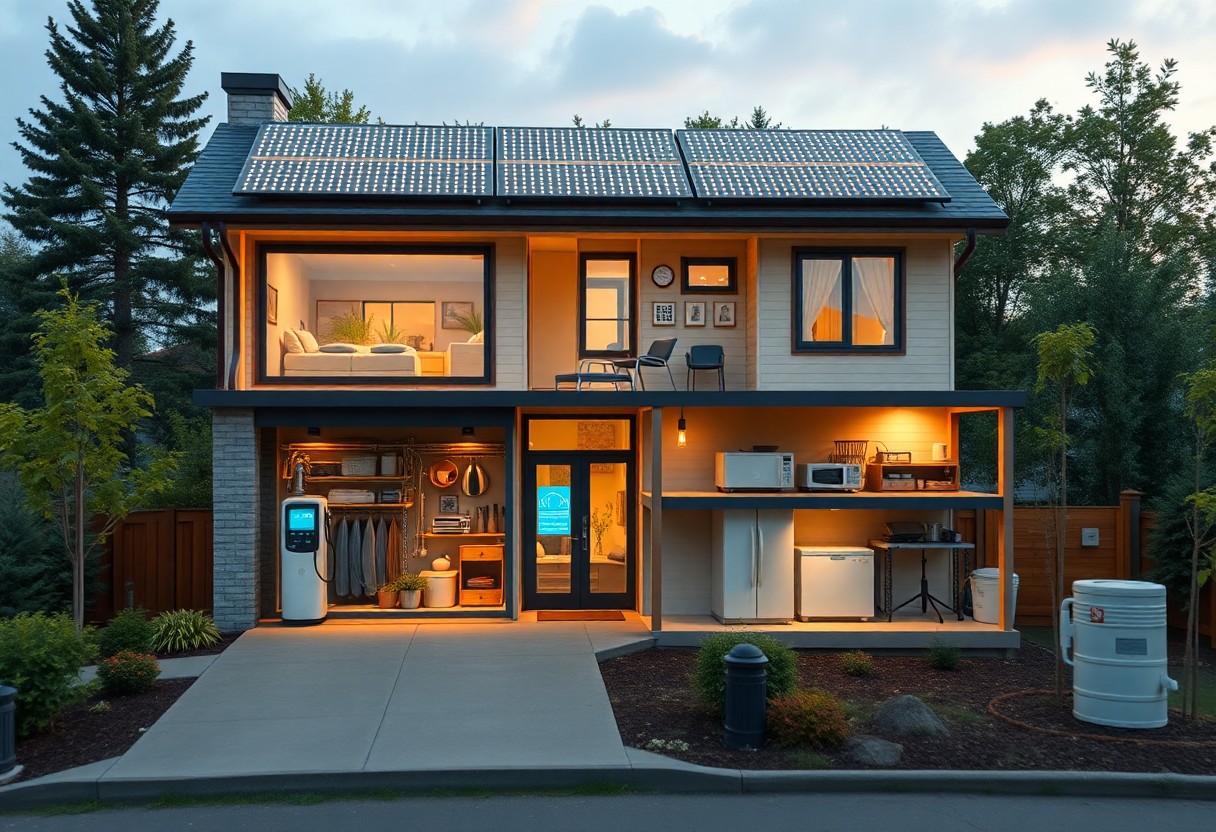
Use a practical improvement list to identify low-cost checks and larger upgrades worth evaluating.

Prioritize habits and household loads that can reduce unnecessary electricity use without exaggerated claims.
Construction type and age matter, but no single material or home style guarantees a low bill. Use these articles to frame the questions for your builder, energy assessor, or contractor.
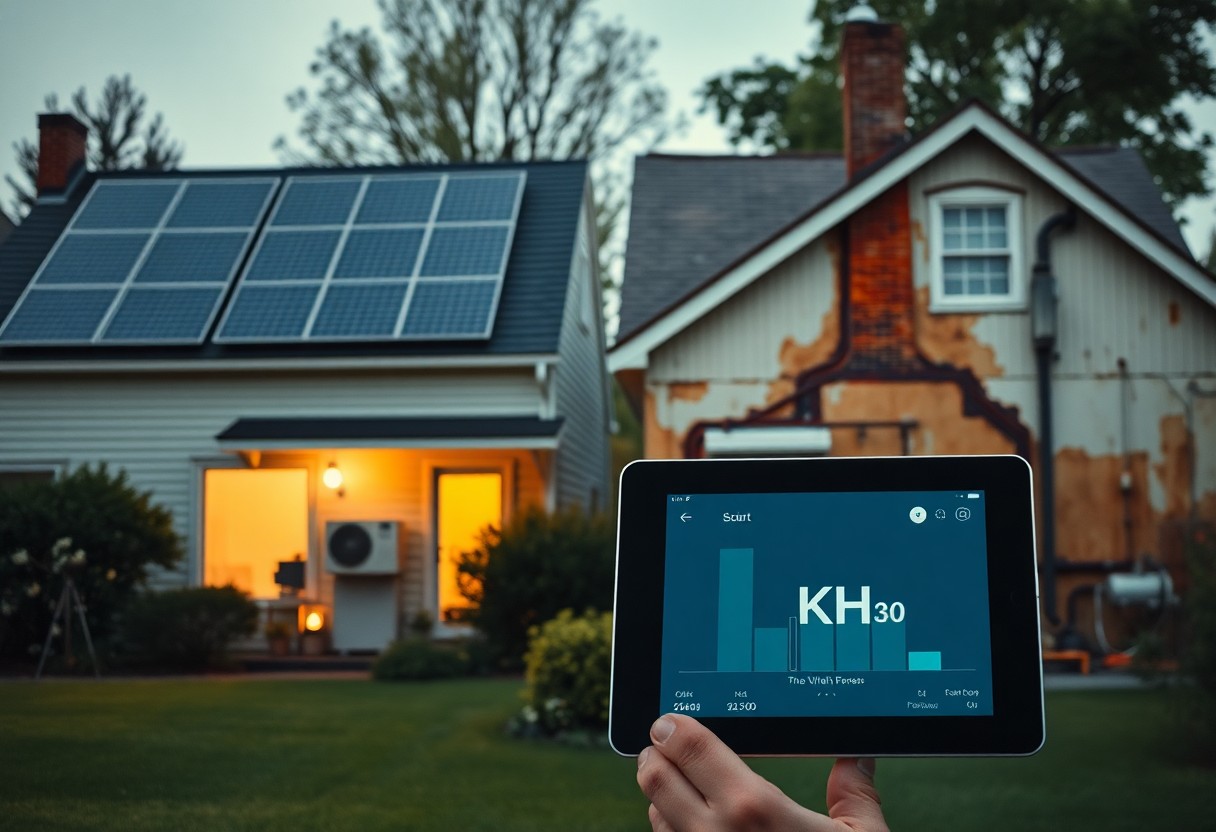
Compare code requirements, design, equipment, commissioning, and real-world operation instead of relying on the build year alone.
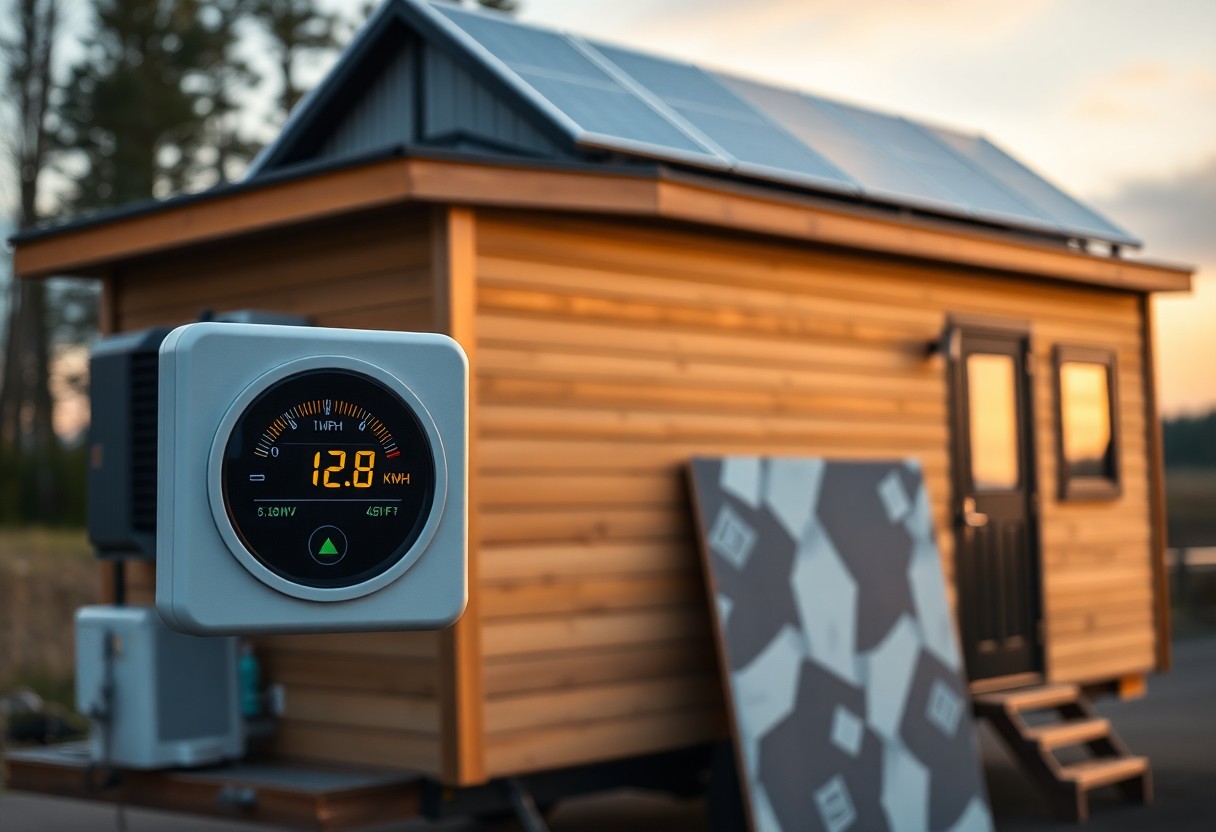
Learn the trade-offs between smaller conditioned space, insulation, air leakage, climate, and occupant behavior.
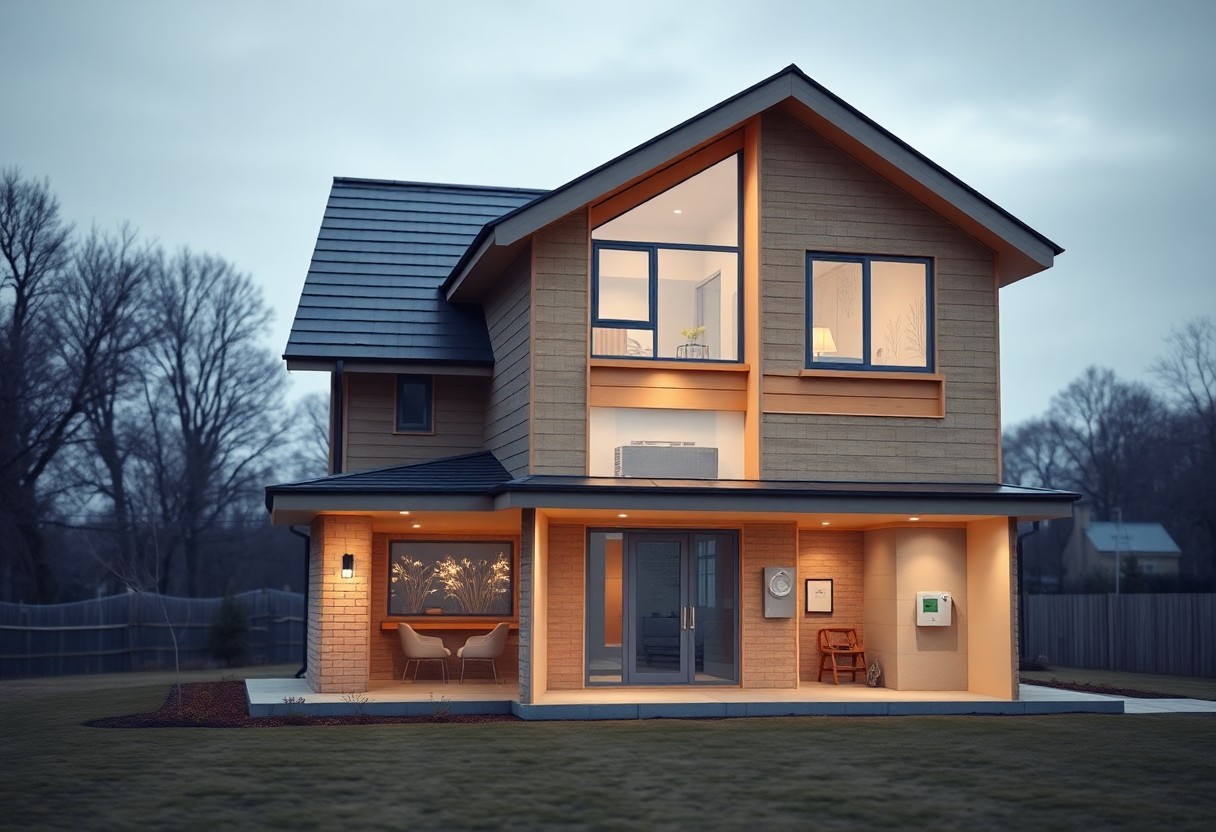
Understand how measurement, controls, lighting, heating and cooling, and building improvements serve different needs.
Home efficiency improvements are most useful when they address a measured problem. If your bill changed suddenly, start with the Lower Electricity Bills hub; if you need to understand a device or monitoring method, see the Energy-Saving Devices hub.