The best home-efficiency plan starts with your actual energy use, not a shopping list. These 15 strategies move from simple checks to larger projects. They are options to evaluate, not a promise that every household will save the same amount.
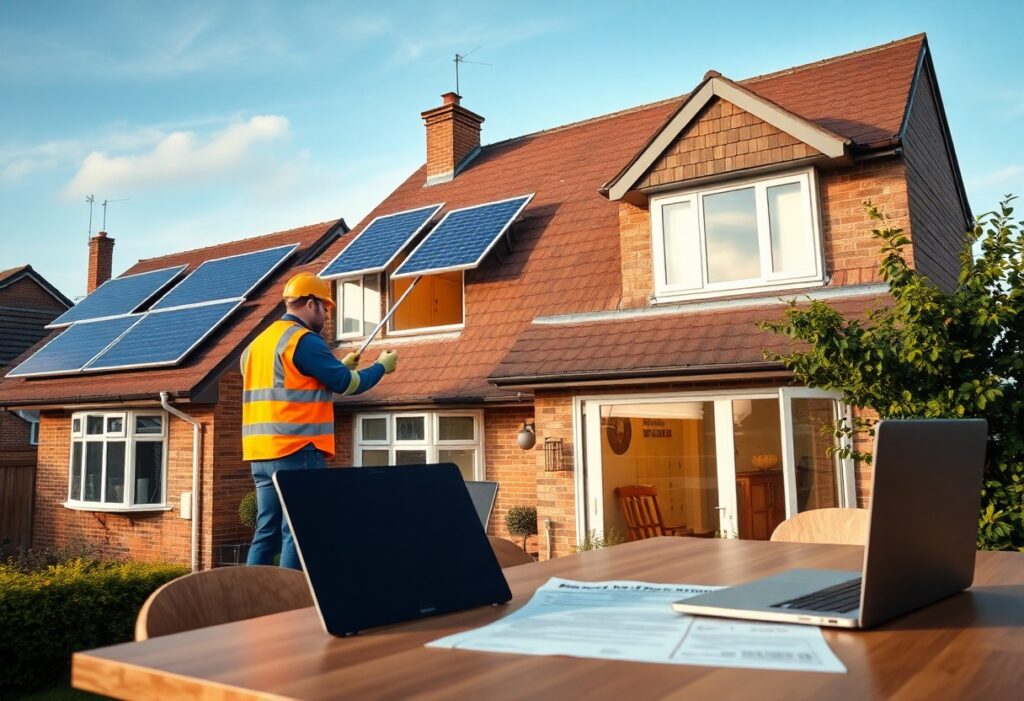
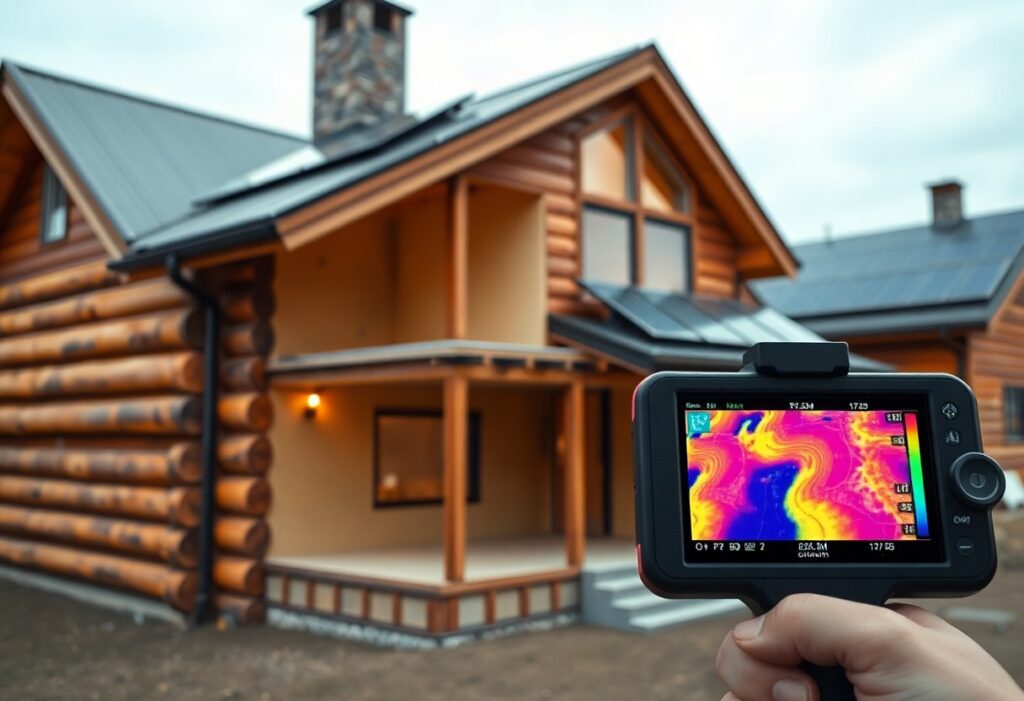
Cover image: illustrative home-energy scene, not a measured case study.
Start here: If your bill changed suddenly, first use the high-bill checklist. If you already know the problem, choose the relevant steps below. For the broader topic map, visit our home-efficiency guide.
1. Establish a baseline from your bills
Collect electricity and heating-fuel bills covering different seasons. Record energy used, billing days, rates, and major changes in occupancy. Compare kWh per day as well as dollars: a higher rate is not the same as a less efficient home. Weather differences also matter.
2. Identify when the biggest loads run
Look at utility interval data if your account provides it. Note heating, cooling, hot-water, laundry, and vehicle-charging schedules. Whole-home data can reveal timing but does not automatically identify an individual appliance. Keep estimates separate from measurements.
3. Make a room-by-room comfort checklist
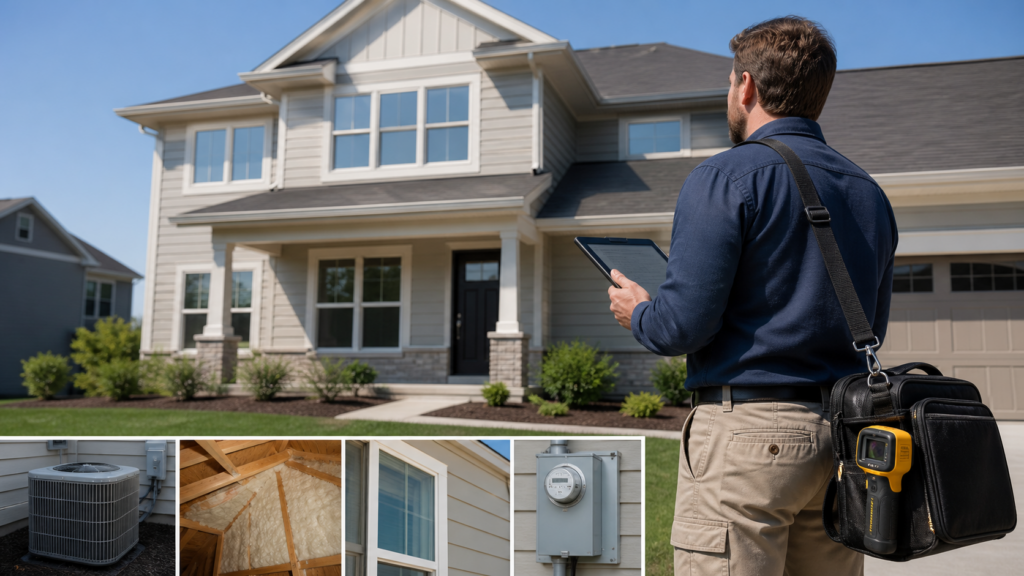
Record drafts, condensation, unusually hot or cold rooms, damaged seals, and persistent equipment noise. Photograph visible problems without opening electrical panels or entering unsafe spaces. For major work or an unclear cause, ask a qualified energy assessor to evaluate the home.
4. Repair worn door weatherstripping
Inspect accessible exterior-door seals and sweeps. Choose compatible replacements that let the door close and latch properly. Renters should obtain permission for modifications. Do not use a candle or other open flame to find drafts, and do not seal intentional ventilation openings.
5. Address window gaps before replacing whole windows
Check locks, weatherstripping, and visible gaps around frames. Consider repairs or suitable seasonal coverings before committing to full replacement. Persistent moisture or deteriorated frames need diagnosis. ENERGY STAR provides project guidance for sealing trim and applying window film; follow product instructions.
6. Plan air sealing and insulation together
Ask an assessor where insulation is missing or ineffective and which leakage paths matter. The appropriate material and insulation level depend on the building and climate. Resolve moisture, ventilation, and combustion-safety concerns before major sealing. Suspected asbestos, unsafe wiring, and inaccessible attics belong with qualified professionals.
7. Keep HVAC airflow paths clear
Check that furniture and stored items are not obstructing supply or return grilles. Follow the equipment manual for accessible filter inspection and replacement. Do not assume closing multiple vents saves energy; system airflow and pressure need to remain appropriate.
8. Investigate heating or cooling faults before buying equipment
Long runtime can reflect weather and heat loss, but short cycling, unusual noise, or poor temperature control may need professional service. Have a technician assess performance and sizing before replacement. Refrigerant, gas, and electrical work are not DIY energy-saving steps. Our heating and appliance guides organize the next checks.
9. Match thermostat controls to the system
Review modes and schedules against when rooms are occupied. Maintain safe temperatures for people, pets, pipes, and humidity control. Heat pumps and systems with auxiliary heat can require different scheduling approaches. A connected thermostat offers convenience, but compatibility and actual operation determine whether it helps.
10. Reduce unnecessary hot-water demand
Investigate leaking hot-water fixtures and avoid running hot water when it is not needed. Review temperature settings with the equipment instructions and appropriate professional advice; scald prevention, hygiene, and household needs all matter. Do not apply a universal temperature target or insulate equipment without checking its requirements.
11. Compare lighting by brightness and power
When replacing bulbs, match the lumens you need and compare watts, fitting, dimmer compatibility, and enclosed-fixture suitability. Prioritize lights used for long periods. Switching off unnecessary lighting reduces operating hours; a lower-wattage bulb does not help if it makes a space too dim to use safely.
12. Compare appliance running costs at replacement time
Compare energy labels for similarly sized appliances and the capacity you actually need. Include purchase price, installation, repair prospects, and electricity rates in the decision. Replacing a working appliance solely because it is old does not guarantee a short payback. Maintain it according to the manual while evaluating options.
13. Review laundry and dishwashing routines
Use suitable load sizes and manufacturer-recommended cycles. Consider lower-temperature washing when compatible with the fabric, detergent, and cleaning needs. Air-drying may reduce dryer use where space and humidity permit. Keep dryer lint screens clean and arrange proper exhaust maintenance; do not improvise venting indoors.
14. Check standby loads selectively
Identify nonessential electronics that remain powered when unused. Turn them off or disconnect them only when safe and consistent with their instructions. Do not interrupt medical equipment, alarms, refrigeration, or necessary network services. Never put a portable heater on a power strip or smart plug as an energy-saving shortcut.
15. Verify results before moving to bigger investments
Record what changed and compare later energy use over similar weather and occupancy conditions. Use itemized quotes and realistic assumptions for larger upgrades. Solar generation can offset purchased electricity but is not itself a reduction in household demand; roof condition, export rates, financing, and installation requirements need a separate assessment.
How to choose your next three actions
Select one no-cost operating change, one visible maintenance issue, and one question that requires measurement or professional advice. Write down cost, effort, and what evidence would show improvement. Do not add projected savings percentages from different projects together: measures interact and may address the same energy loss.
Common questions
Which improvement should come first?
Start with the verified cause of wasted energy or discomfort. An equipment fault may need attention before insulation; a sound system in a leaky building may lead to a different priority. There is no universal first purchase.
How much money will these changes save?
A personal estimate needs baseline use, local rates, installed cost, and expected operating changes. For a simple electrical example, reducing a load by 0.1 kW for five hours reduces use by 0.5 kWh. Multiply that by the applicable per-kWh rate; fixed charges may not change.
Can I do an energy assessment myself?
You can collect bills and record visible problems. That is a useful starting checklist, not a substitute for blower-door testing, combustion-safety assessment, or electrical diagnosis. Ask for qualified help when the work goes beyond safe observation.
Sources and related guidance
- ENERGY STAR: Seal and Insulate — project selection and building-envelope guidance.
- EIA: Measuring Electricity — watts, kilowatts, and kilowatt-hours.
- CPSC: Portable-heater safety — direct-wall connection and fire precautions.