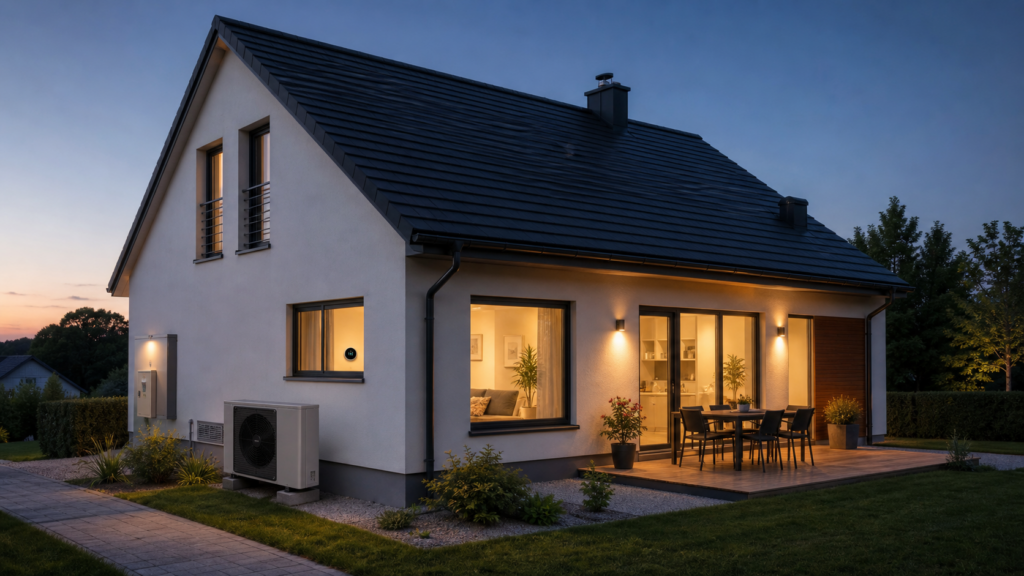
Energy-Saving Systems for the Home: What to Measure, Control, and Upgrade
Short answer: an energy-saving system is useful when it solves a specific problem: it measures a load, controls a schedule, […]
Whole-home guidance covering insulation, air sealing, audits, and building performance.
Short answer: an energy-saving system is useful when it solves a specific problem: it measures a load, controls a schedule, […]
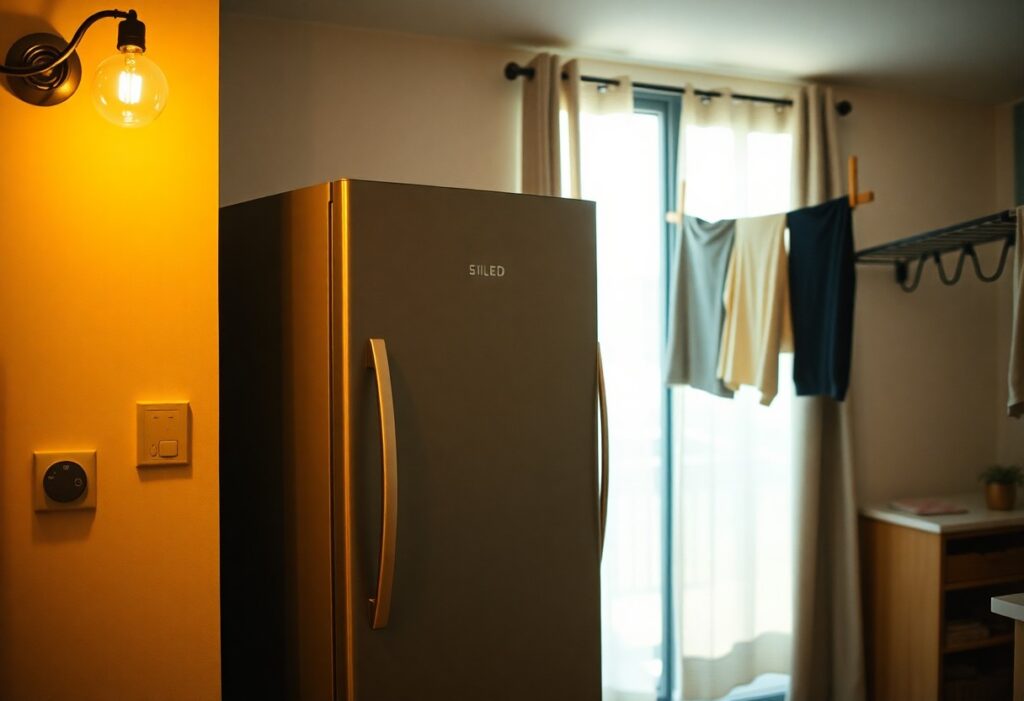
The fastest way to save electricity at home is to start with the loads that use the most energy, then
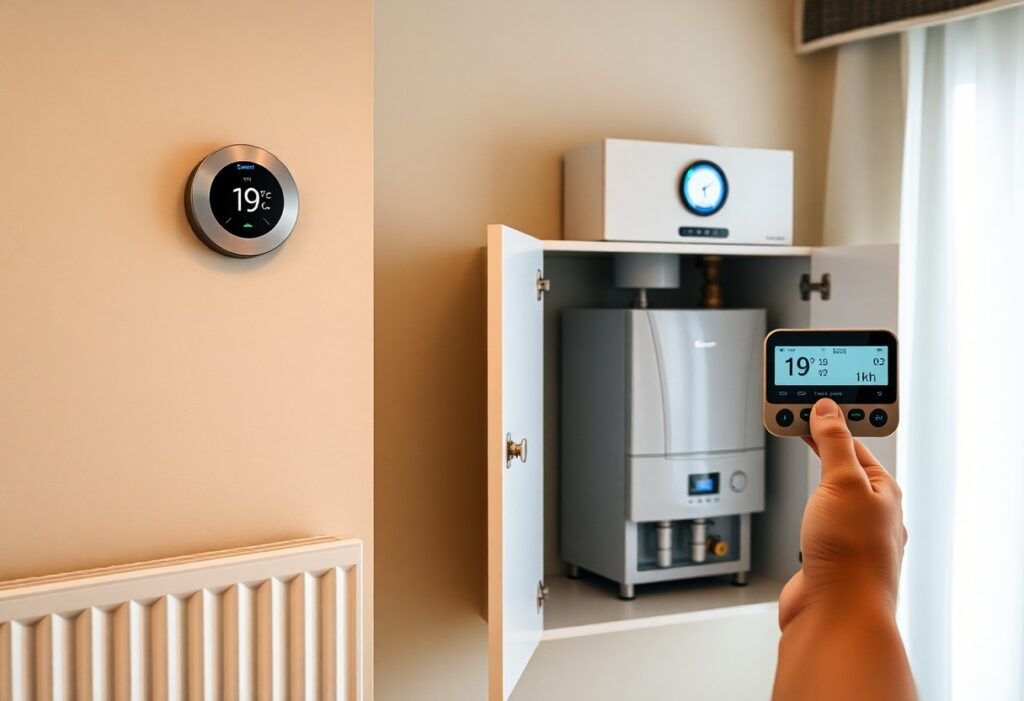
Energy use in your home can be reduced quickly; you should fit insulation and efficient appliances, turn off idle devices,
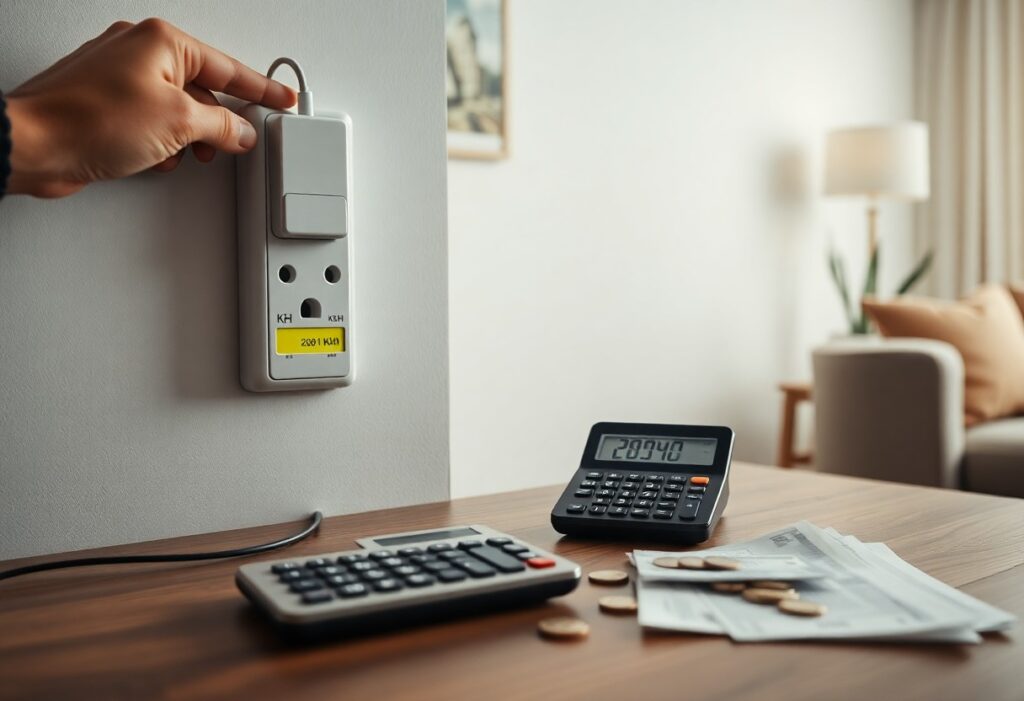
It’s easy to cut standby waste by switching off power points; you can save small but steady amounts-often a few
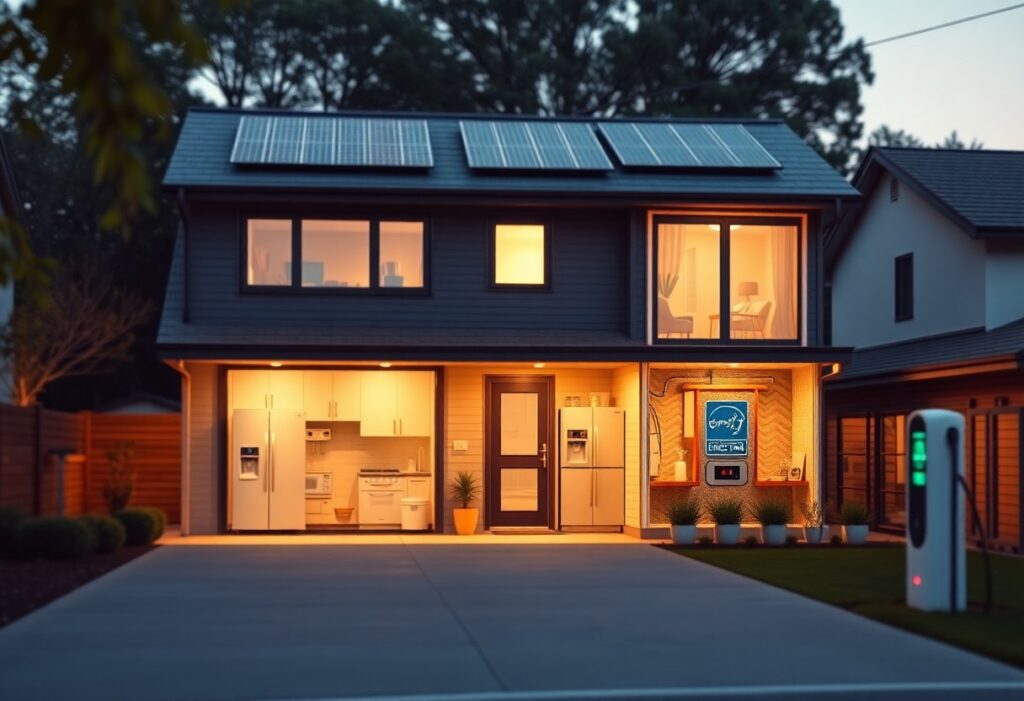
Energy upgrades help you save money and boost comfort; you can cut bills and emissions by sealing drafts, adding insulation,
You pay more and risk overloads when devices run needlessly; saving electricity cuts your bills, reduces carbon emissions, and lowers
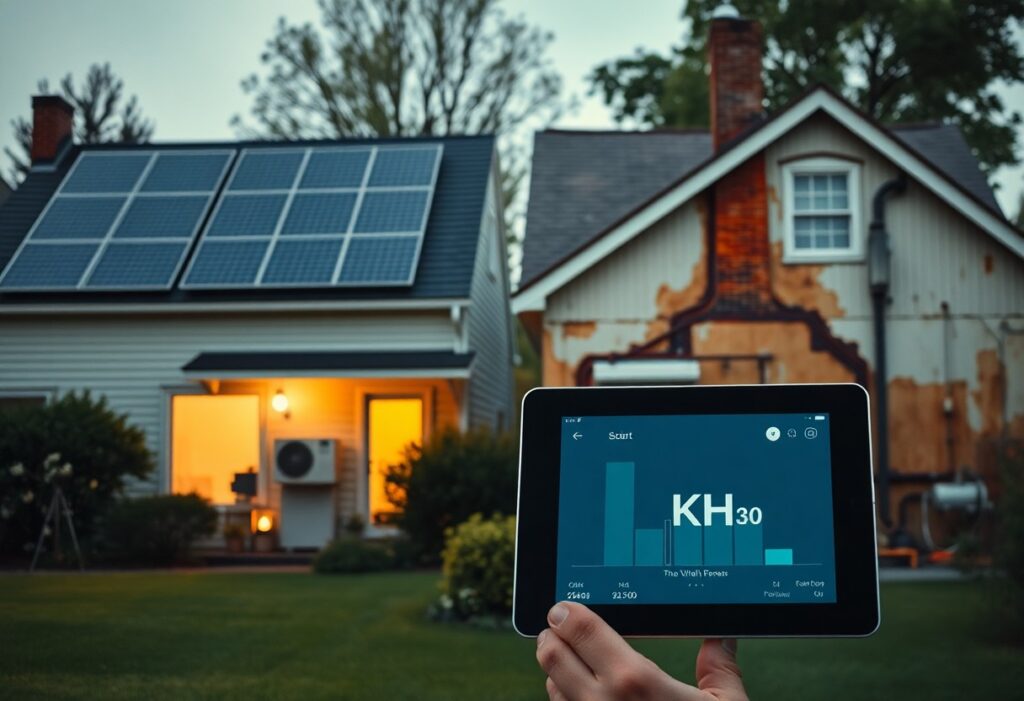
Energy use in new homes is usually lower due to better insulation and efficient systems, but you should know older
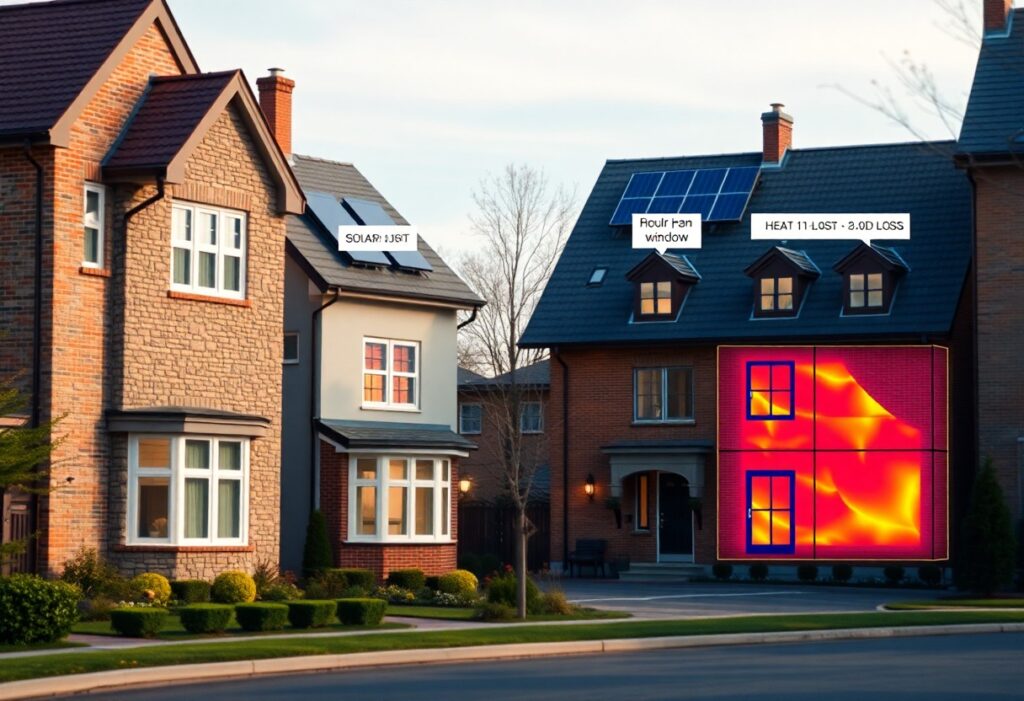
Stucco offers moderate insulation, while brick and stone provide excellent thermal mass; concrete block often needs added insulation. You should
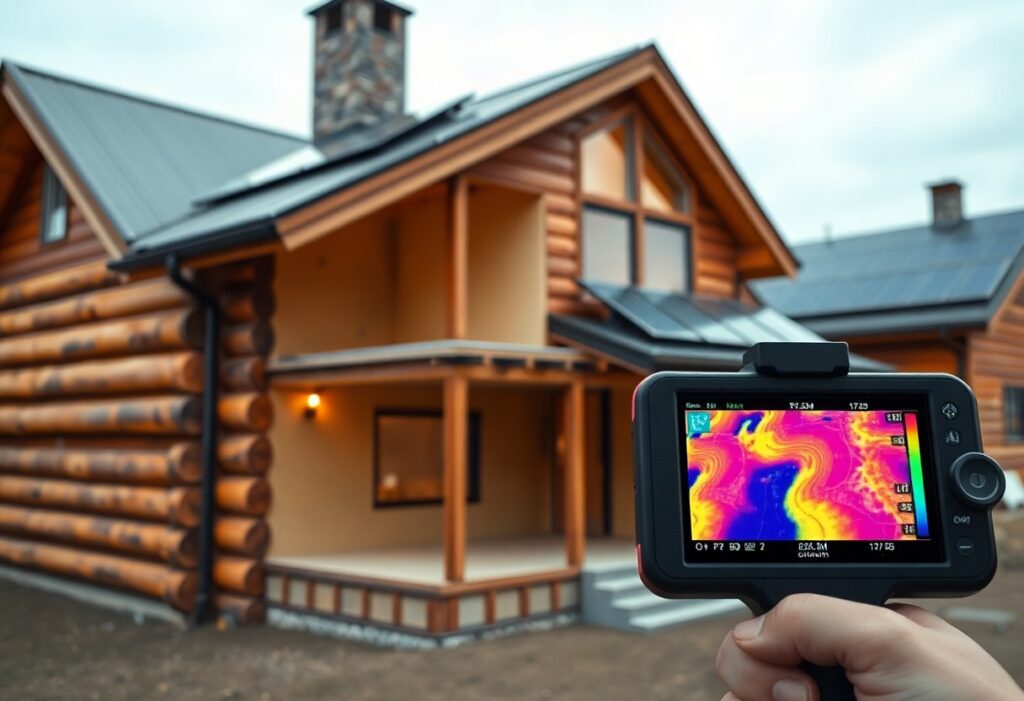
Insulation in log homes matters: you can enjoy thermal mass that stabilizes indoor temperatures, but you must guard against air
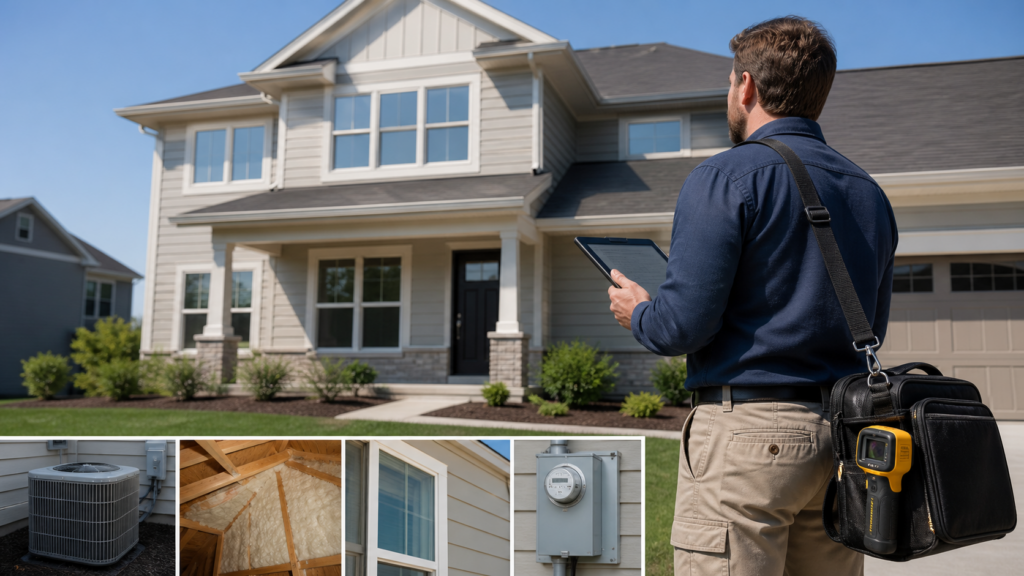
Some Lennar homes can be energy efficient, but the builder name alone does not prove how a particular house will