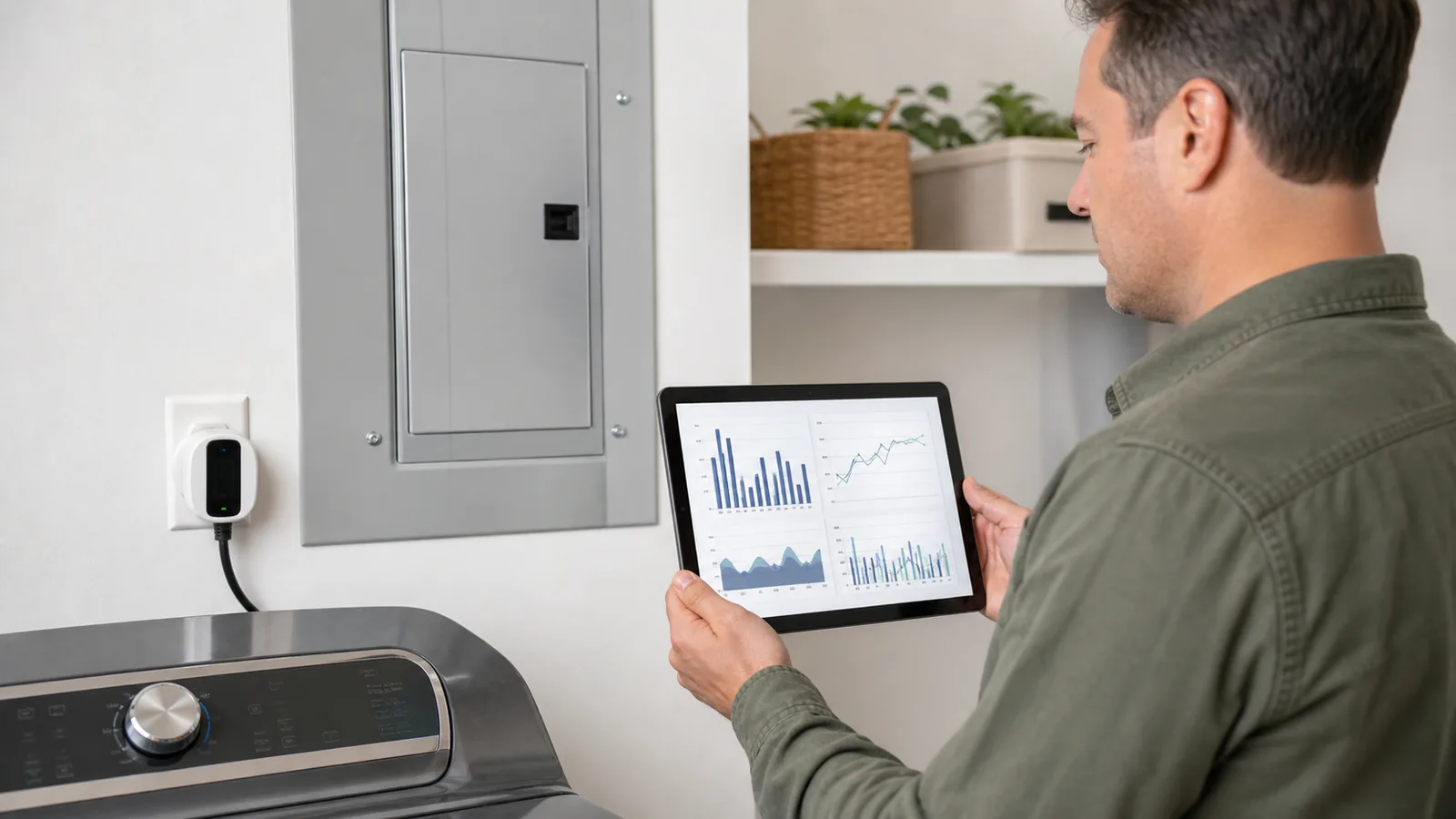
Decision guide
Are home energy monitors worth it?
Compare utility data, plug-in meters, current-transformer monitors, device detection, and smart-panel options.
The useful question is not “what claims the largest saving?” It is whether a device gives you reliable information, compatible control, or a measurable function for your particular home.
Different tools answer different questions. Start with the lowest-risk method that can reveal the information you actually need.
Compare utility data, plug-in meters, current-transformer monitors, device detection, and smart-panel options.

Match the tool to the load you need to measure, installation limits, and the data you can actually use.
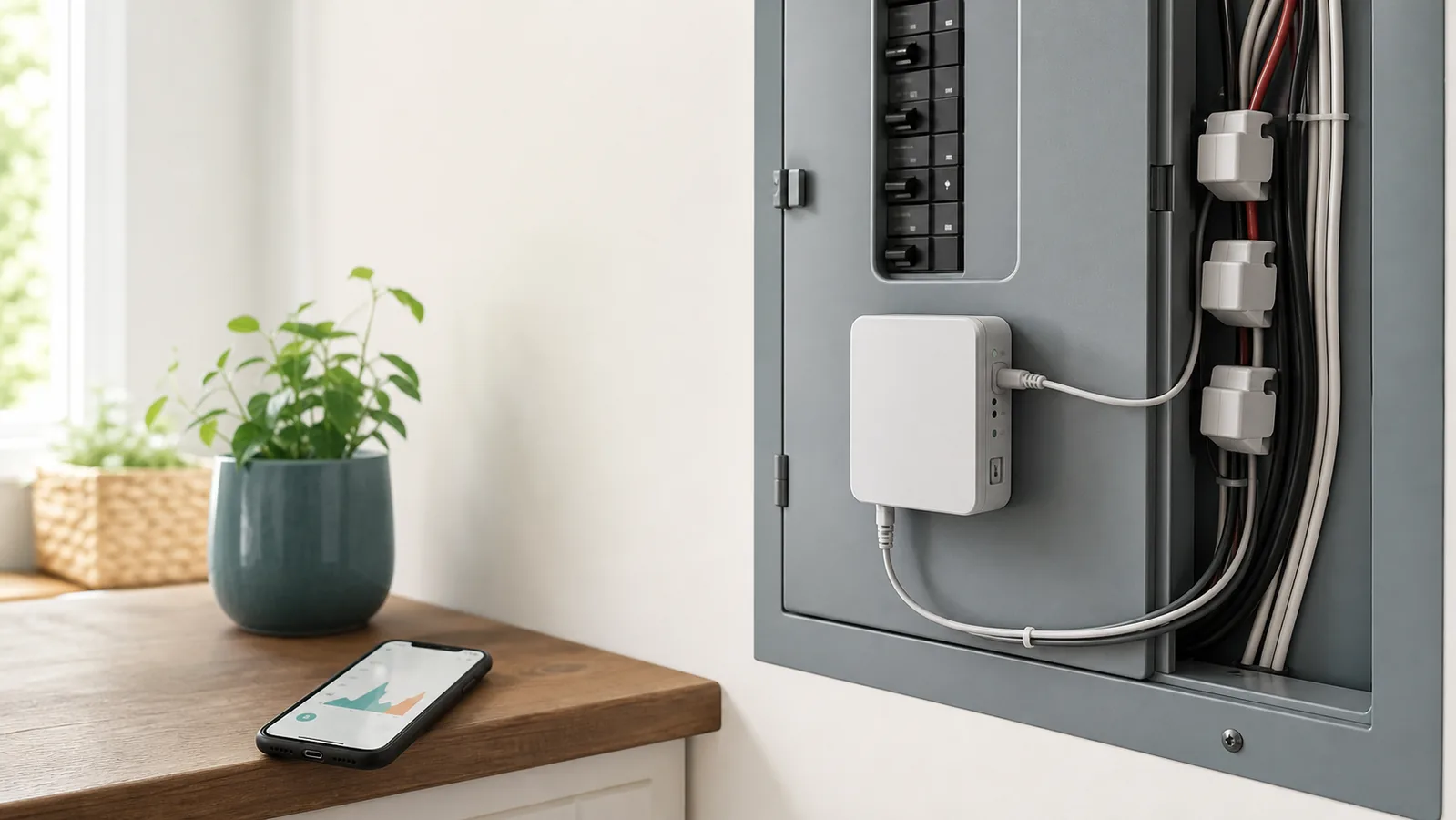
Read a specification-based review covering branch-circuit sensors, internet requirements, and data limitations.
Smart controls, power strips, lighting, and appliance choices can be useful when their function matches the load. They are not interchangeable ways to reduce an unknown bill increase.
Not sure which type fits your situation? Compare power-saving devices by the problem they solve, including meters, smart plugs, power strips, thermostats, and whole-home monitors.
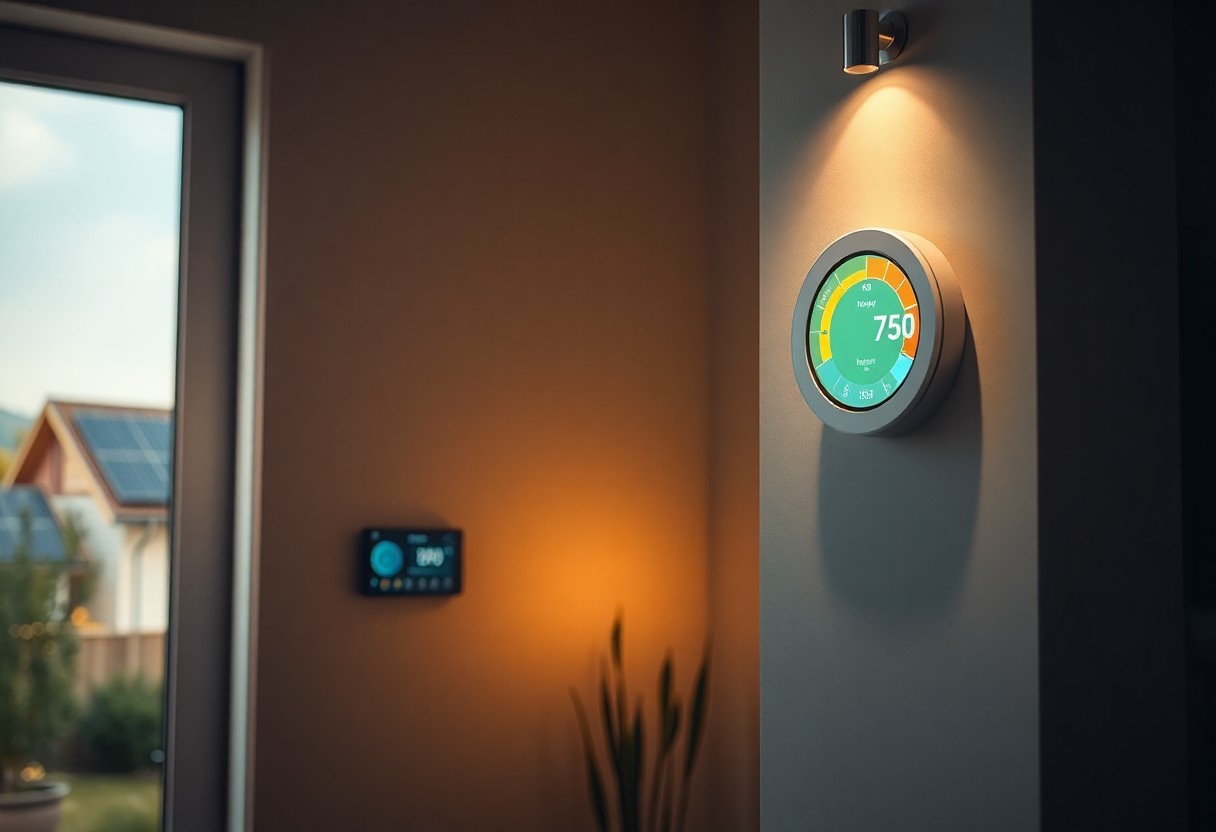
Separate practical automation and scheduling from convenience features that may not materially change household energy use.
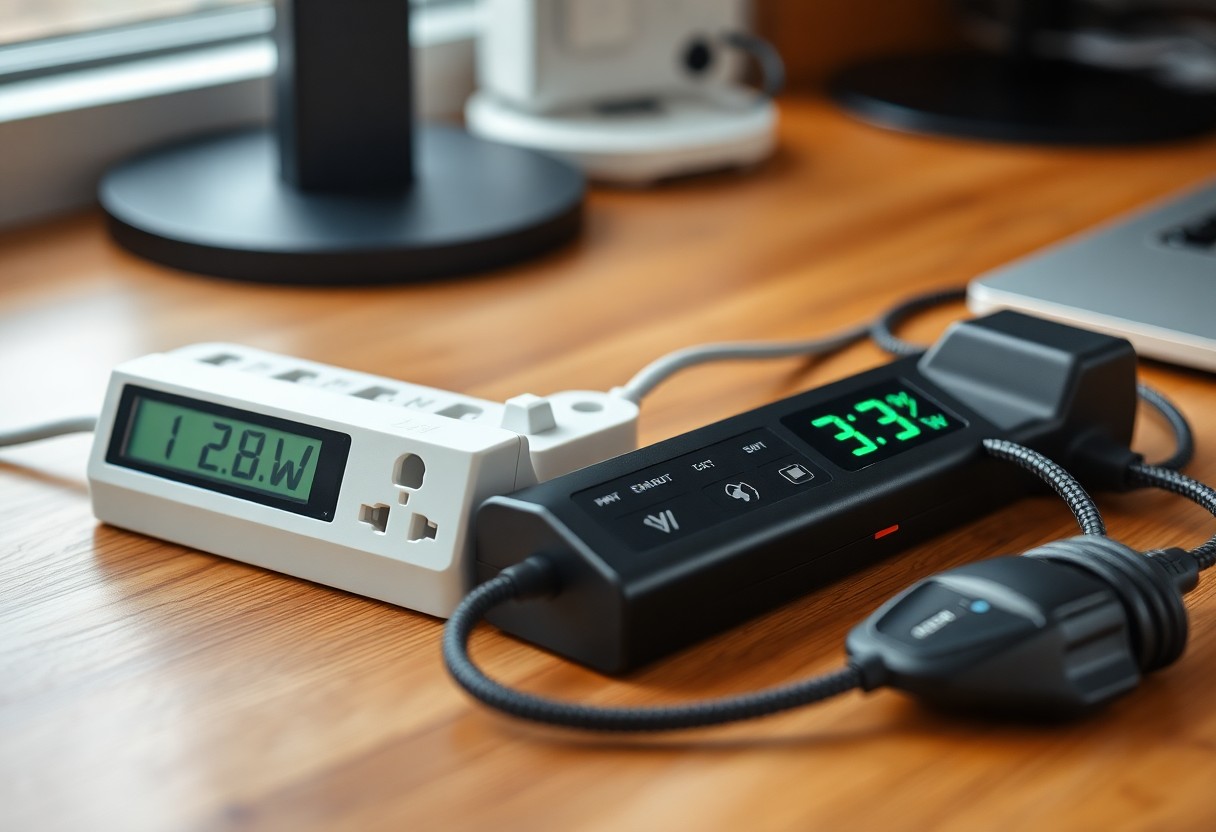
Understand automatic outlet control, where it can help, and why the savings usually stay limited.
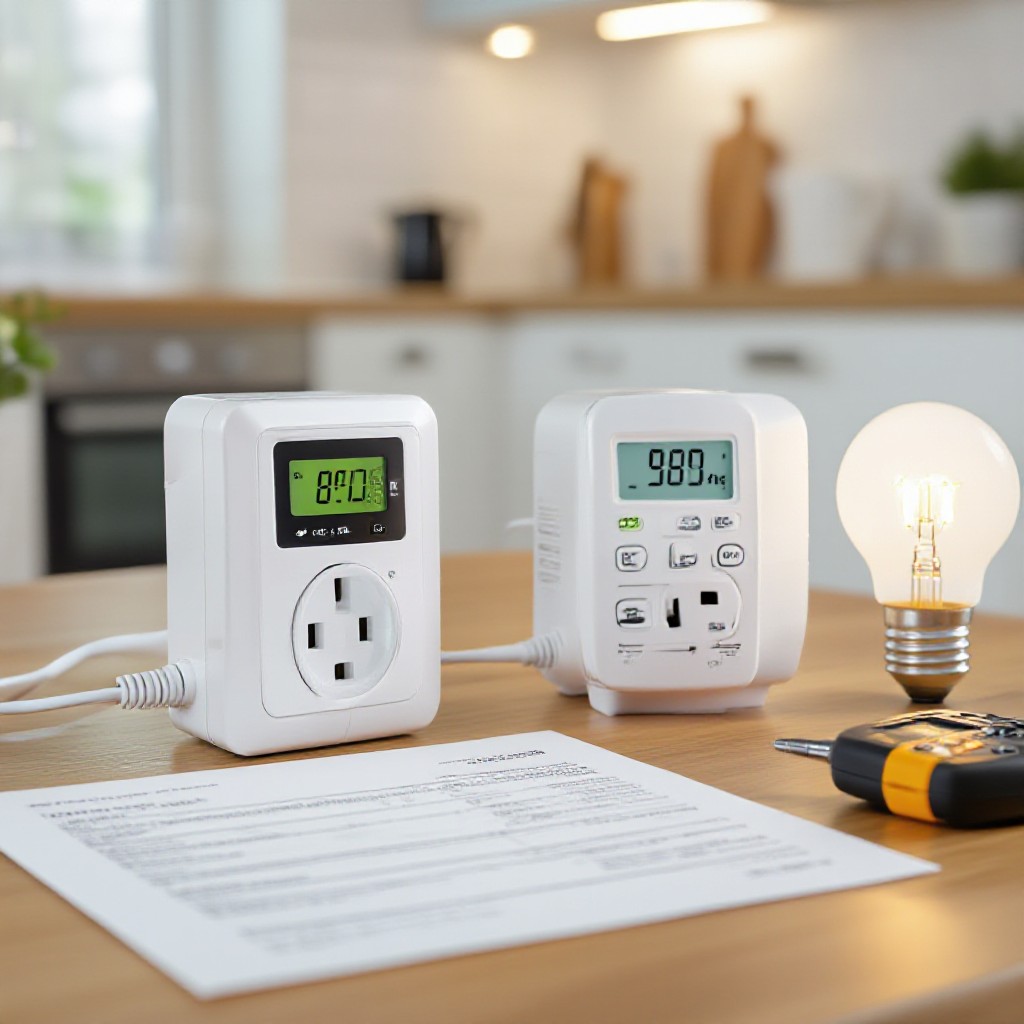
Review why residential billing, power-factor claims, and a small plug-in box do not automatically translate to lower kWh.
A monitor can reveal patterns, but it does not replace checking whether the bill increase came from kWh, a rate change, or a longer billing cycle. Begin with our high-electric-bill checklist when the first question is “what changed?”
Use a clear checklist before purchasing any energy-saving programme. Read what to check before buying Energy Revolution System; this guide explains limits, measurement, and the commercial relationship before you visit a vendor.