Automation can reduce waste when it changes a real load at the right time. The useful first question is whether you need better information, better control, or a building and equipment improvement instead.
Start with the decision you need to make
Smart-home tools are most useful when they help you measure a pattern, change a schedule, or reduce unnecessary runtime. They are not a substitute for fixing an inefficient major appliance or a building problem.
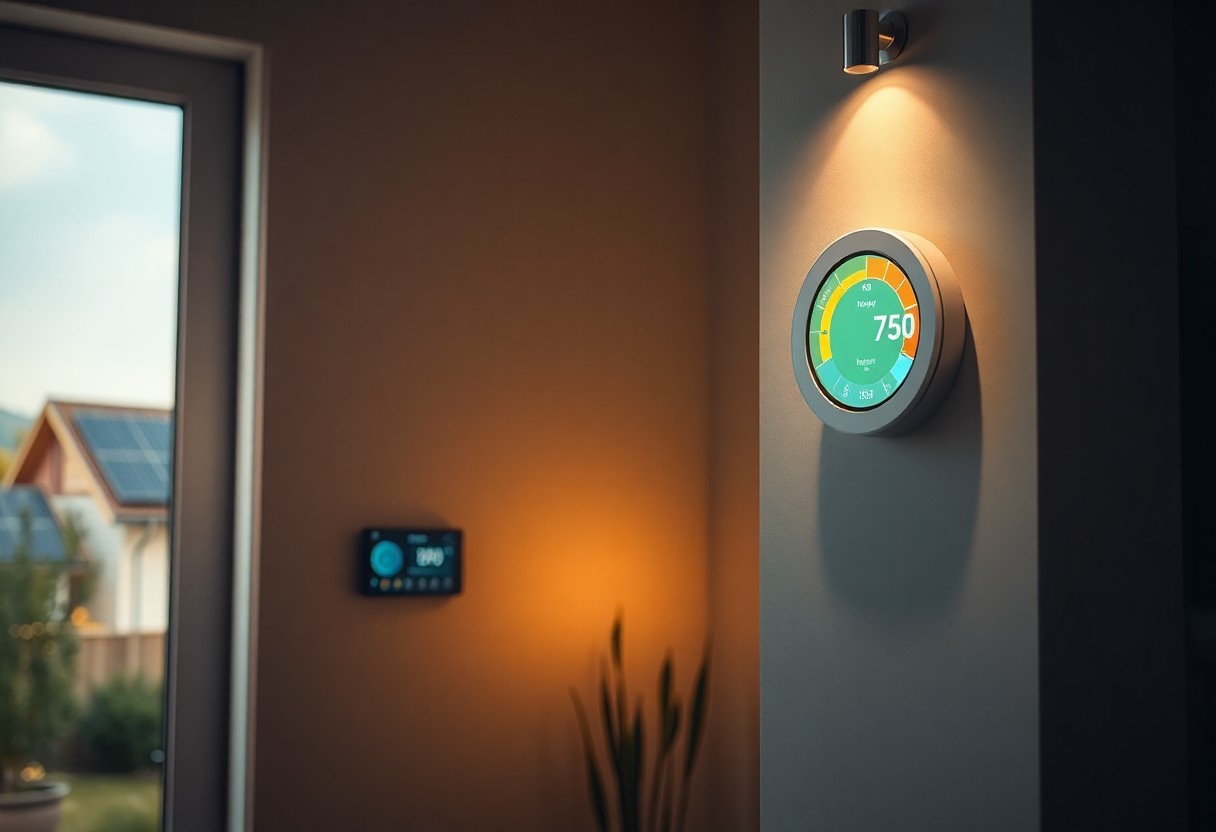
Are smart homes energy efficient?
See where controls, automation, and monitoring can help—and where savings are likely to remain small.
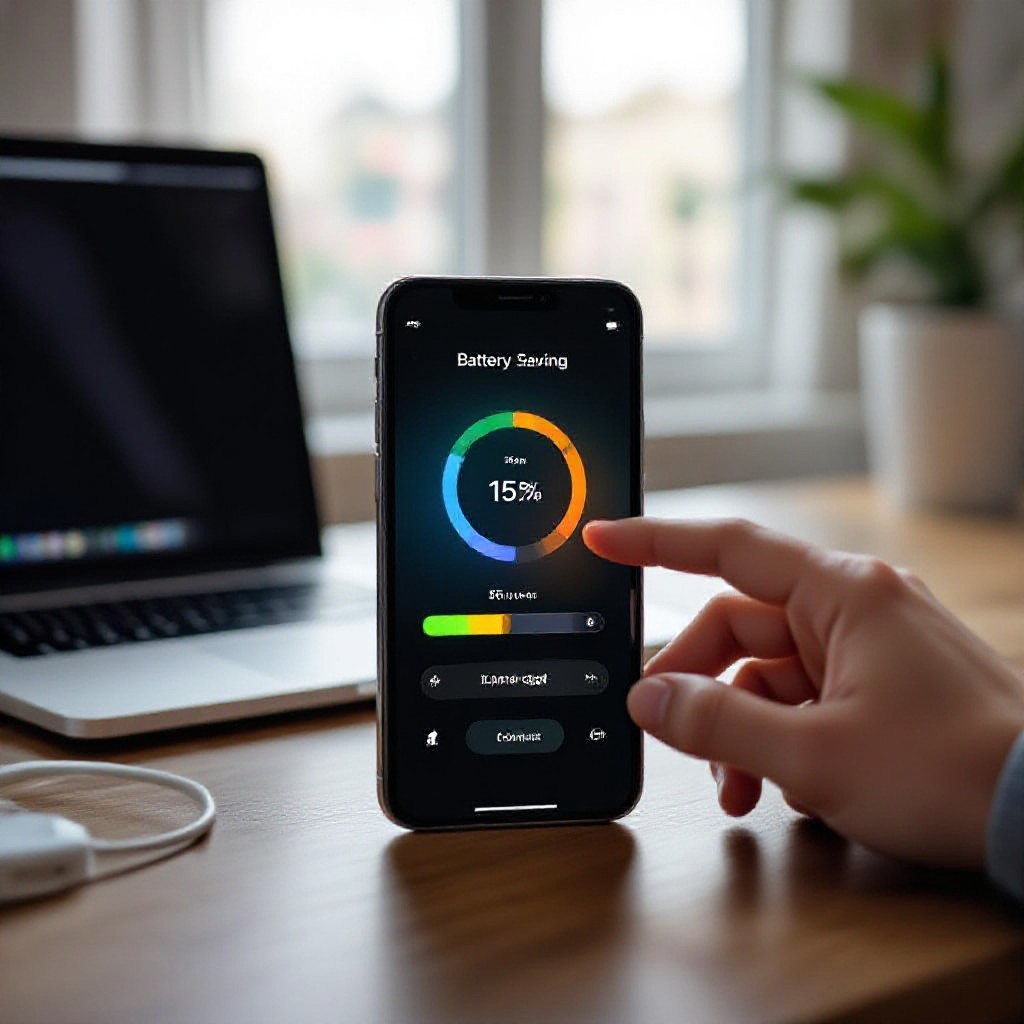
What does power saving mode do?
Understand the practical trade-offs of a device power-saving setting before treating it as a household energy strategy.
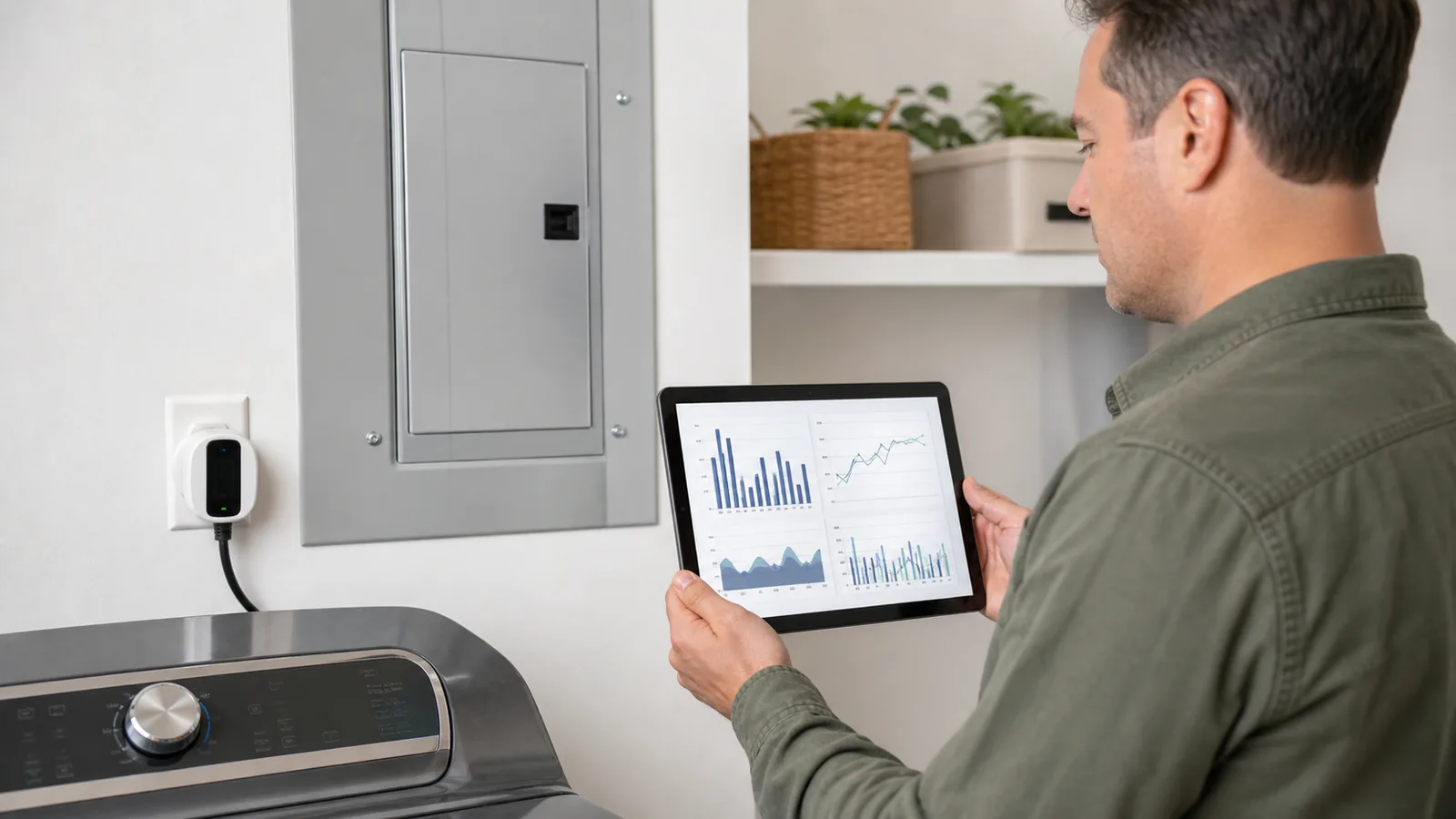
Is a home energy monitor worth it?
Choose a monitor when the missing piece is reliable information about when and where electricity is being used.
Match the tool to the question
A plug-in meter answers a question about one appliance; a whole-home monitor can help investigate patterns across the service. Neither one automatically reduces use without a useful action afterward.

Plug-in meter or whole-home monitor?
Use the right measurement method for a single appliance, a circuit, or the full home.
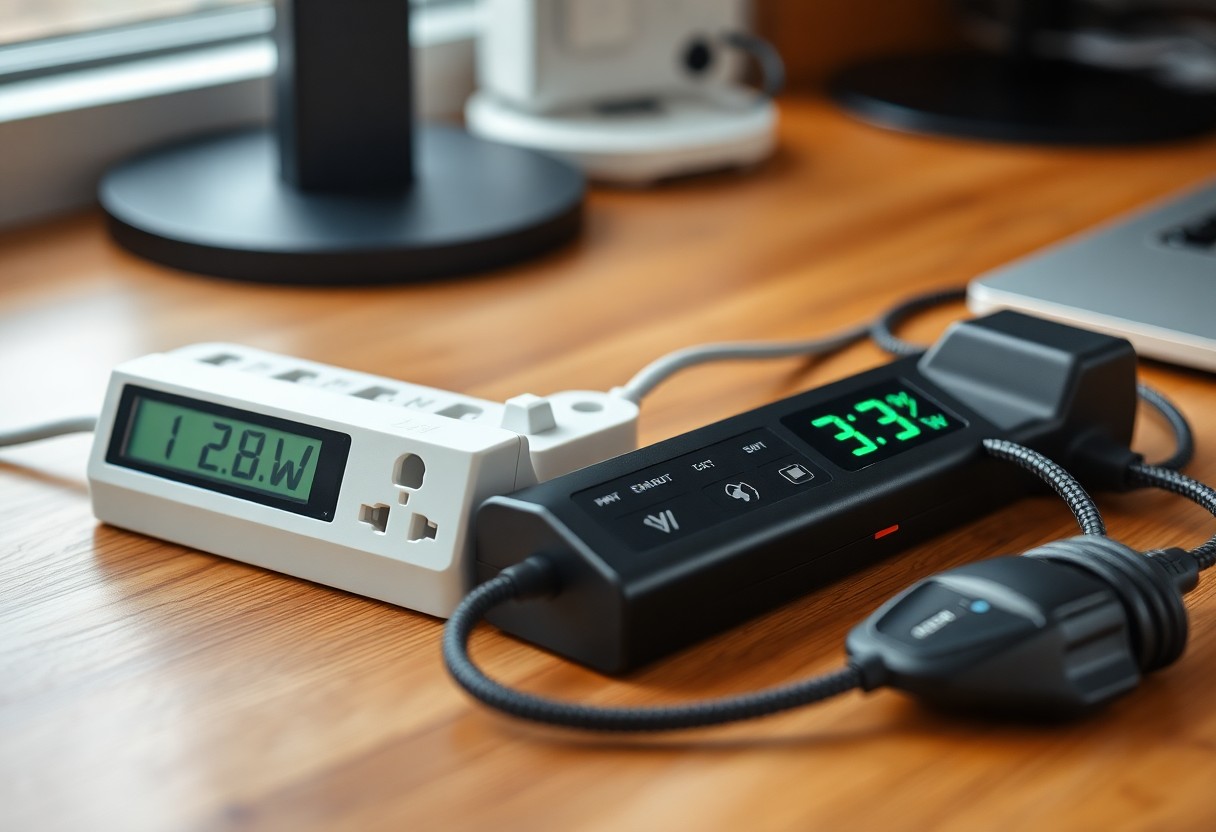
Where smart power strips help
Learn which standby loads can be controlled automatically and why the total saving is often modest.

Find the real source of a high bill
Start with kWh, billing days, rate components, and major loads before selecting a device.
Choosing a thermostat?
First decide whether you need simple scheduling or connected automation with our smart thermostat vs. programmable thermostat comparison. Then check the complete HVAC system, not just the number of wires at the wall. Use the no-C-wire smart thermostat guide for power options, or the separate heat-pump thermostat compatibility guide for O/B, stages, auxiliary heat, dual fuel, and power requirements.
Use controls after you understand the load
For a bill change, begin with the Lower Electricity Bills hub. For equipment and building improvements, use the Home Energy Efficiency hub and Heating, Cooling & Appliances hub.