Quick answer: A high electric bill in summer is often driven by more cooling hours, hotter weather, humidity, solar heat, and a higher electricity rate. The best first step is to compare kWh, billing days, and rate per kWh before deciding that the air conditioner has failed.
Air conditioning is one of the largest uses of electricity in U.S. homes, but a seasonal bill increase is not automatically a repair problem. This guide separates normal weather-driven use from warning signs worth investigating. For the broad diagnostic framework, start with Why Is My Electric Bill So High?.
Why summer changes the bill
Cooling demand rises as outdoor temperatures and humidity rise. The home also gains heat through windows, walls, the roof, cooking, appliances, and occupants. An air conditioner then needs more runtime to move that heat and manage comfort. EIA notes that weather affects residential cooling use and that air conditioning is a major household electricity use.
Summer bills can also rise when the rate per kWh changes, the billing period is longer, or a time-of-use plan has high-price afternoon or evening periods. Check the bill itself before treating every increase as an air-conditioner fault.
First: compare kWh, days, and price
- Compare total kWh with the same month last year, if available.
- Check whether this bill covers more days than usual.
- Compare the electricity-supply and delivery charges per kWh, plus any plan or adjustment notices.
- Ask whether the meter reading is actual or estimated.
kWh higher: investigate cooling runtime and other high-load changes. kWh similar but cost higher: investigate rates, billing days, and charges with the utility. The distinction prevents a wrong repair or purchase.
Summer cooling checks that are safe to make
Review thermostat settings and schedules
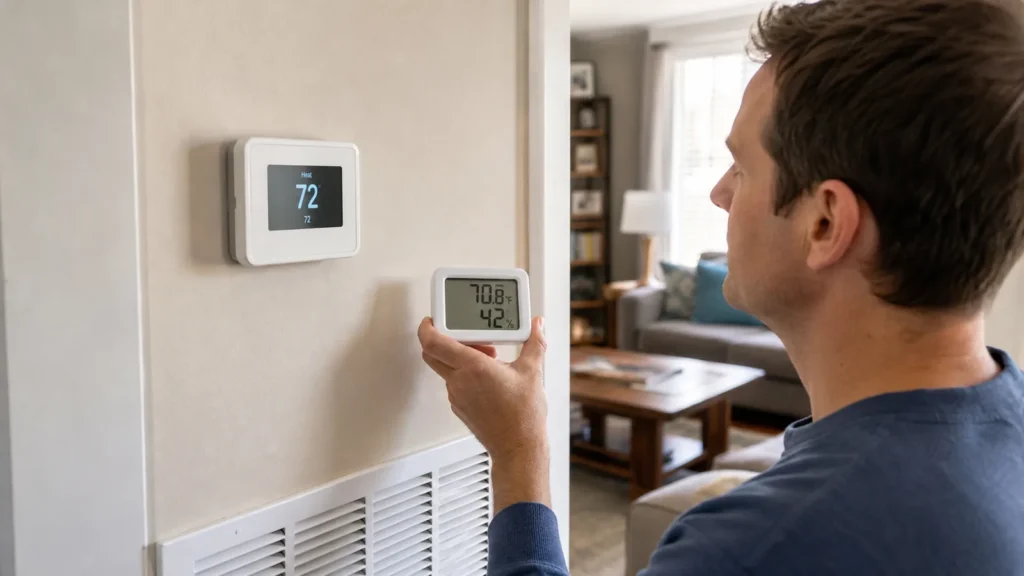
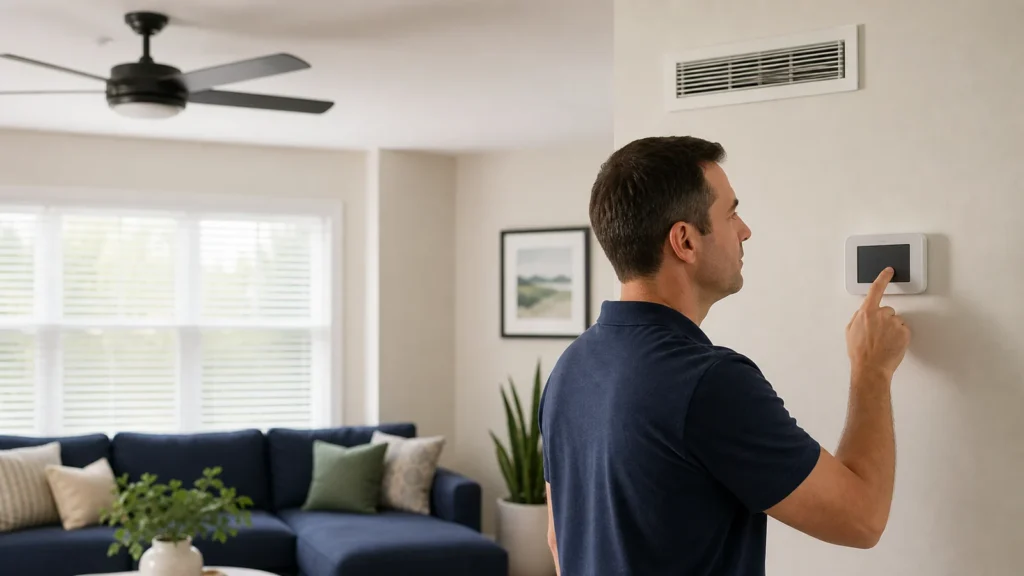
Confirm the cooling mode, setpoint, schedule, holds, and fan setting. DOE advises against setting the thermostat colder than normal when first starting the air conditioner; it does not cool the home faster and can lengthen operation. Also make sure lamps, televisions, and other heat sources are not close to a thermostat that controls cooling.
If the displayed temperature, schedule, or equipment response seems wrong, read Can a Faulty Thermostat Cause a High Electric Bill?. Do not change control wiring unless you understand the system and manufacturer instructions.
Check airflow and obvious maintenance needs
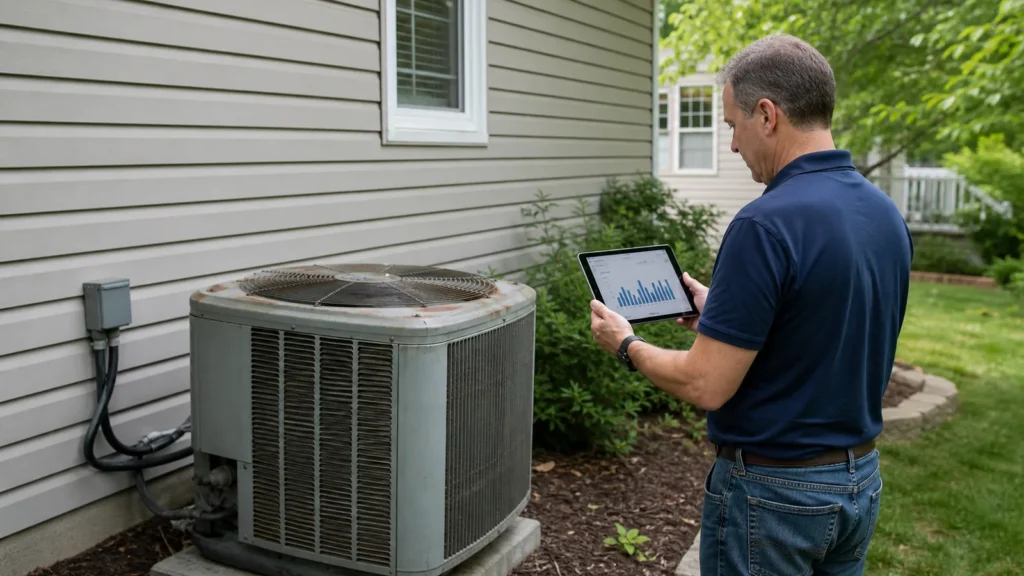
Replace or clean a user-serviceable filter according to the equipment manual, keep supply and return vents unobstructed, and note whether rooms cool unevenly. DOE recommends regular maintenance for cooling equipment and keeping airflow paths clear. Restricted airflow can make comfort worse and extend runtime, but it is not a reason to open equipment cabinets or handle refrigerant.
Reduce heat that enters the home
Close blinds or shades on sun-facing windows when useful, check that windows and exterior doors close properly, and avoid adding indoor heat during the hottest part of the day when practical. Fans can improve comfort for occupants, but they do not lower room temperature; turn them off in empty rooms.
Signs the air conditioner deserves professional attention
- It runs for very long periods but cannot approach the setpoint.
- Cooling suddenly became much weaker, rooms are newly uneven, or humidity is persistently high.
- The system short-cycles, makes unusual sounds, leaks, trips protection, or has a burning odor.
- You see icing, damaged wiring, or any condition that is unsafe to inspect.
Those signs can arise from maintenance, airflow, refrigerant, electrical, control, duct, or sizing problems. They cannot be diagnosed accurately from a bill alone. Our guide to an old air conditioner and high electricity use explains how age fits into the investigation.
Do not overlook other summer loads
Cooling may be the largest change, but check new patterns such as a pool pump, irrigation or well pump, dehumidifier, EV charging, workshop equipment, or more people at home. A plug-in meter can measure a compatible individual device; utility interval data or a whole-home monitor is more appropriate when the question is when the entire home’s use rose. See Are Home Energy Monitors Worth It? for the tradeoffs.
A practical summer test
For one to two weeks, record outdoor conditions, thermostat setting, occupancy, unusual equipment use, and daily kWh. Compare similar days rather than a mild day with an extreme-heat day. If the rise tracks weather and cooling runtime, prioritize comfort settings, maintenance, shading, and air sealing. If it does not, investigate rate changes or another load.
Bottom line
Summer bills often rise because the home needs more cooling, not because one device is automatically “wasting power.” Check the bill, thermostat behavior, airflow, solar heat, and competing loads in that order. Escalate equipment symptoms to a qualified professional rather than attempting electrical or refrigerant work yourself.
Sources
- U.S. Energy Information Administration: air-conditioning electricity use
- U.S. Energy Information Administration: weather, cooling degree days, and summer bills
- U.S. Department of Energy: spring and summer energy-saving guidance
- ENERGY STAR: summer cooling guidance
Editorial note: This is general household guidance, not an HVAC diagnosis. Results depend on climate, rate plan, equipment, home construction, and behavior. It contains no product affiliate links at publication.