Quick answer: A high electric bill in winter is commonly caused by colder weather and more heating runtime, but the likely cause depends on whether your home uses electric resistance heat, a heat pump, gas or oil heat, electric water heating, or portable heaters. Start by comparing kWh, billing days, and price per kWh before blaming one appliance.
This page is the winter branch of our high-electric-bill diagnostic. It helps you separate a normal seasonal rise from a change that deserves a utility call or professional inspection.
Why winter bills can rise
Cold weather increases the heat your home loses to the outdoors. In homes that heat with electricity, that often means more electricity use. EIA notes that the effect of winter weather depends on the heating fuel and equipment a household uses; a home with gas heat may have a higher gas bill rather than a much higher electric bill.
Do not compare only dollars. Check total kWh, billing days, and the price per kWh. A higher cost with similar kWh can point to a rate, plan, fee, or adjustment instead of a new household load.
First identify the heating setup
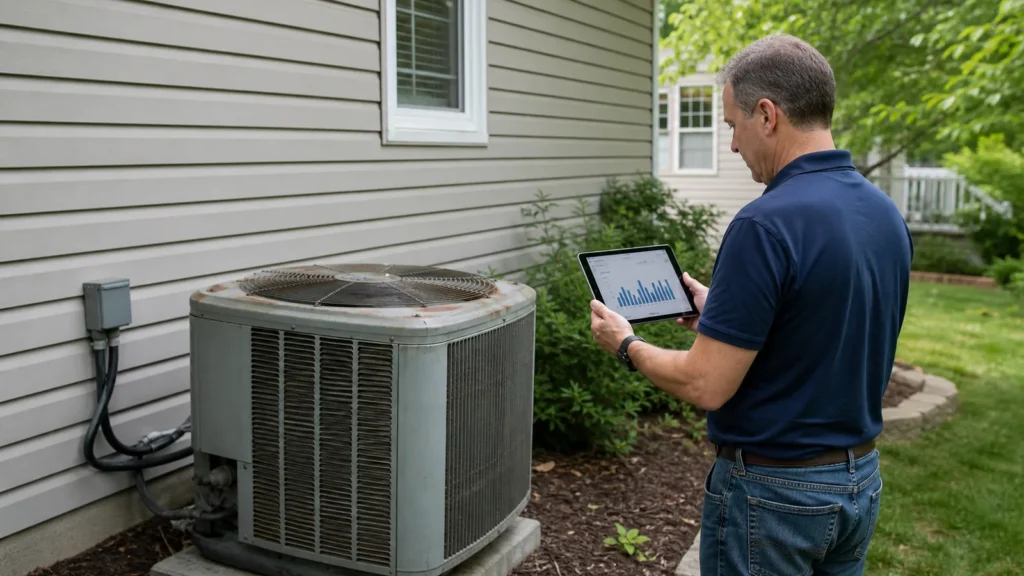
- Electric resistance heat: baseboards, electric furnaces, space heaters, and some older systems can use substantial electricity during cold periods.
- Heat pump: efficiency and controls matter; auxiliary or emergency resistance heat may increase electricity use when it operates.
- Gas, oil, or propane heat: the winter energy increase may appear mainly on another bill, although blower motors, heat-pump backup, space heaters, and water heating can still affect electricity.
What to check safely
Thermostat mode, schedule, and runtime
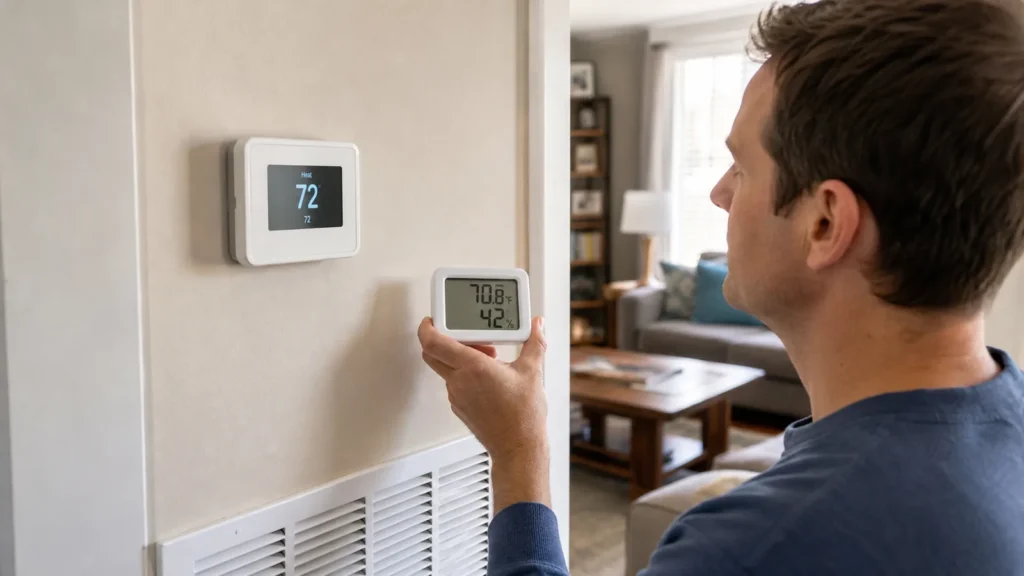
Confirm the heating mode, setpoint, schedule, vacation settings, fan setting, and whether a heat-pump system shows auxiliary or emergency heat. A thermostat does not prove that the equipment is healthy; see our thermostat diagnostic if readings, schedules, or system response seem wrong.
Airflow and heat loss
Replace user-serviceable filters as the equipment manual directs, keep returns and registers clear, and note drafts around doors and windows. A blocked airflow path or heat loss can extend heating runtime. Do not remove panels or test energized components.
Portable and continuous loads
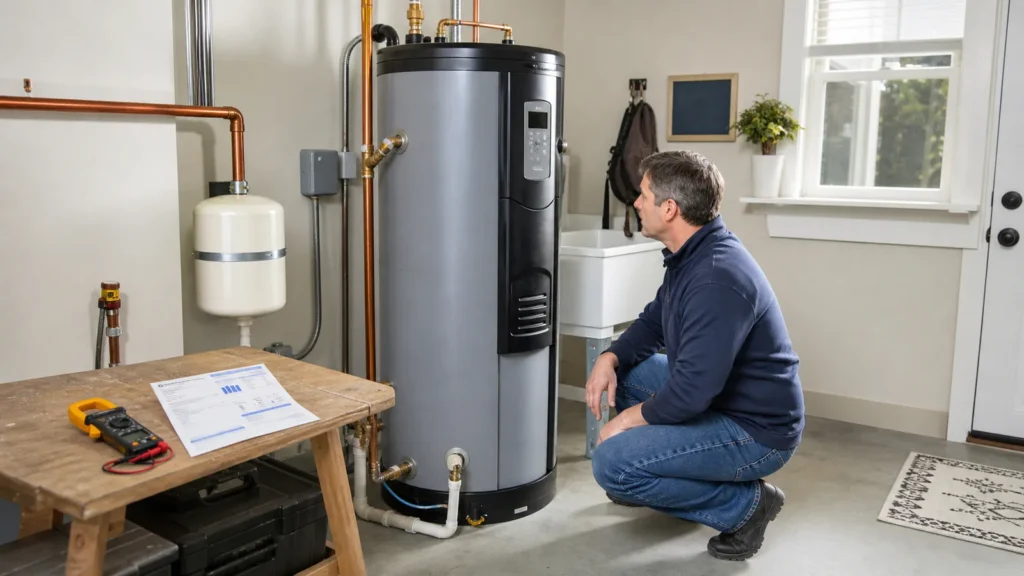
Check space heaters, electric blankets, heated floors, EV charging, dehumidifiers, sump pumps, and water heating. These loads may be separate from the main heating system. For water-heater symptoms, use the water-heater high-bill guide.
Use the bill and interval data to narrow the cause
Compare daily or hourly usage, if your utility provides it, with outdoor temperature and occupancy. A rise that closely follows cold days may be heating-driven. A constant overnight rise can point to heating, charging, or another continuous load. The pattern is a clue, not a remote diagnosis.
When to call for help
- Contact the utility for estimated readings, rate-plan questions, billing adjustments, or a documented reading dispute.
- Use an HVAC professional when the system cannot hold temperature, short-cycles, runs unexpectedly, or auxiliary heat appears to run continuously.
- Use a qualified electrician urgently for hot outlets, burning odor, arcing, repeated breaker trips, or damaged wiring.
Bottom line
A winter electric-bill increase can be expected when the home heats with electricity, but it should still be checked methodically. Compare kWh and price first, identify the heating fuel and equipment, then examine schedules, airflow, heat loss, and other continuous loads. That produces better next steps than buying a generic “power-saving” device.
Sources
- U.S. Energy Information Administration: electricity use for residential heating
- U.S. Energy Information Administration: weather and residential electricity use
- U.S. Department of Energy: thermostat and heating-and-cooling guidance
Editorial note: This is general household guidance, not an HVAC or electrical diagnosis. It contains no product affiliate links at publication.